The Drum They Weren’t Allowed to Have: Afro-Peru’s Cajon and the Soul of Chincha
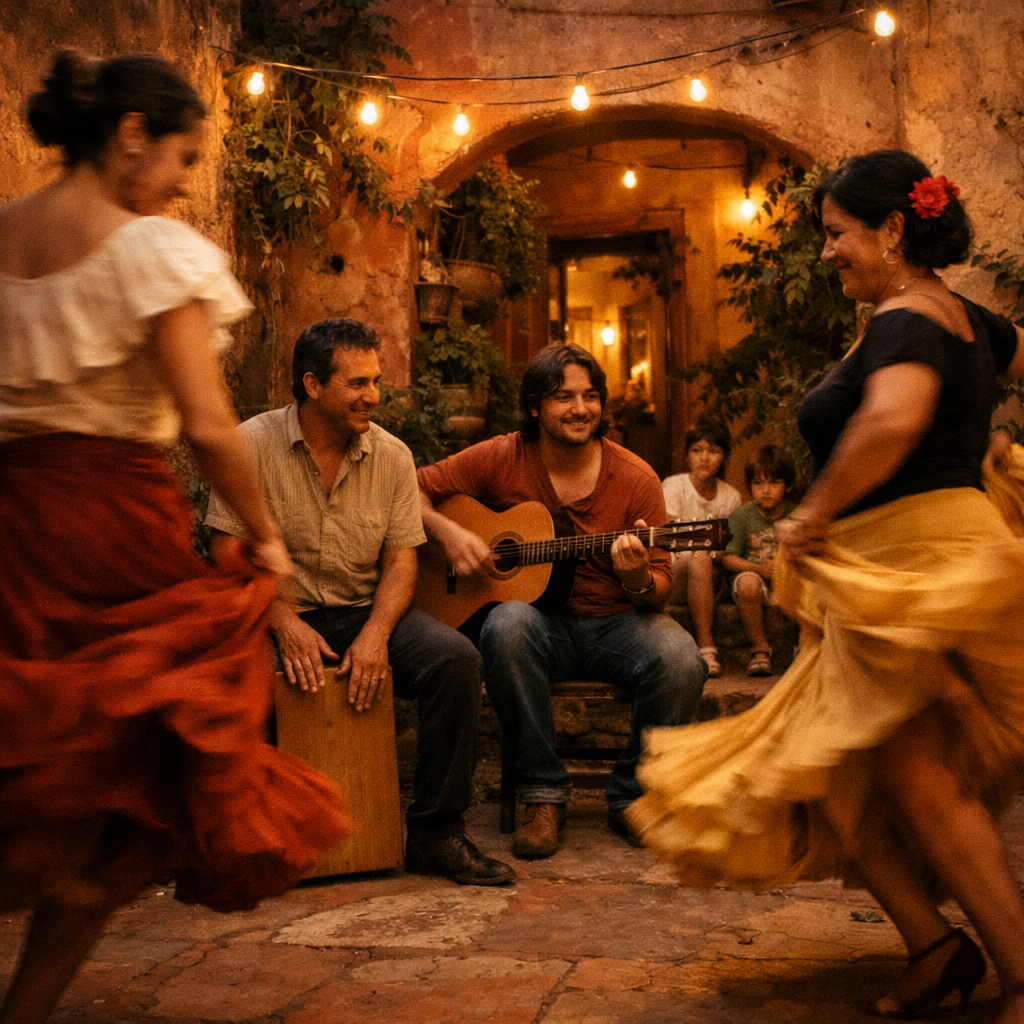
Enslaved Africans in Peru were banned from playing drums, so they built a wooden box, sat on it, and invented the cajón — now iconic on flamenco stages worldwide. In Chincha’s El Carmen district, families like the Ballumbrosios still keep that history alive, one courtyard lesson at a time.
Wait, There Are Black People in India? Meet the Siddis of Karnataka
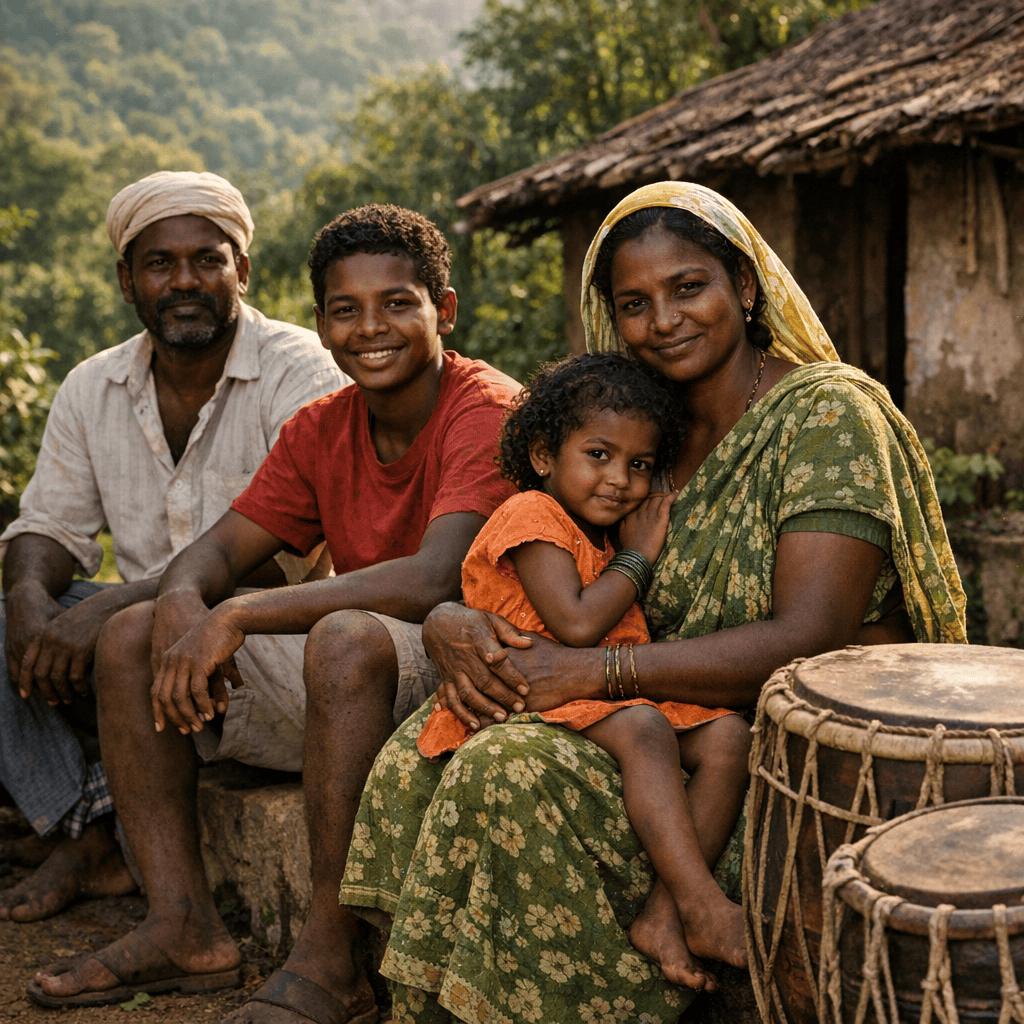
A spontaneous detour through Karnataka’s forested Uttara Kannada district leads to an encounter with the Siddi community — descendants of East and Central Africans brought to India centuries ago as sailors, soldiers, and enslaved laborers via Arab and Portuguese trade routes. This is their story of survival, sovereignty, and unexpected kinship across an ocean.
Mexico’s Third Root: The Black Towns of the Costa Chica
Ask most people what Mexico looks like and Blackness isn’t in the picture — but along the Costa Chica coast of Oaxaca and Guerrero, entire towns have been unmistakably Afro-Mexican for over 400 years. A detour off the Oaxaca City food circuit into Cuajinicuilapa reveals a community that fought two decades for the right to simply be counted.
The Door of No Return, Revisited: Coming Home to Cape Coast
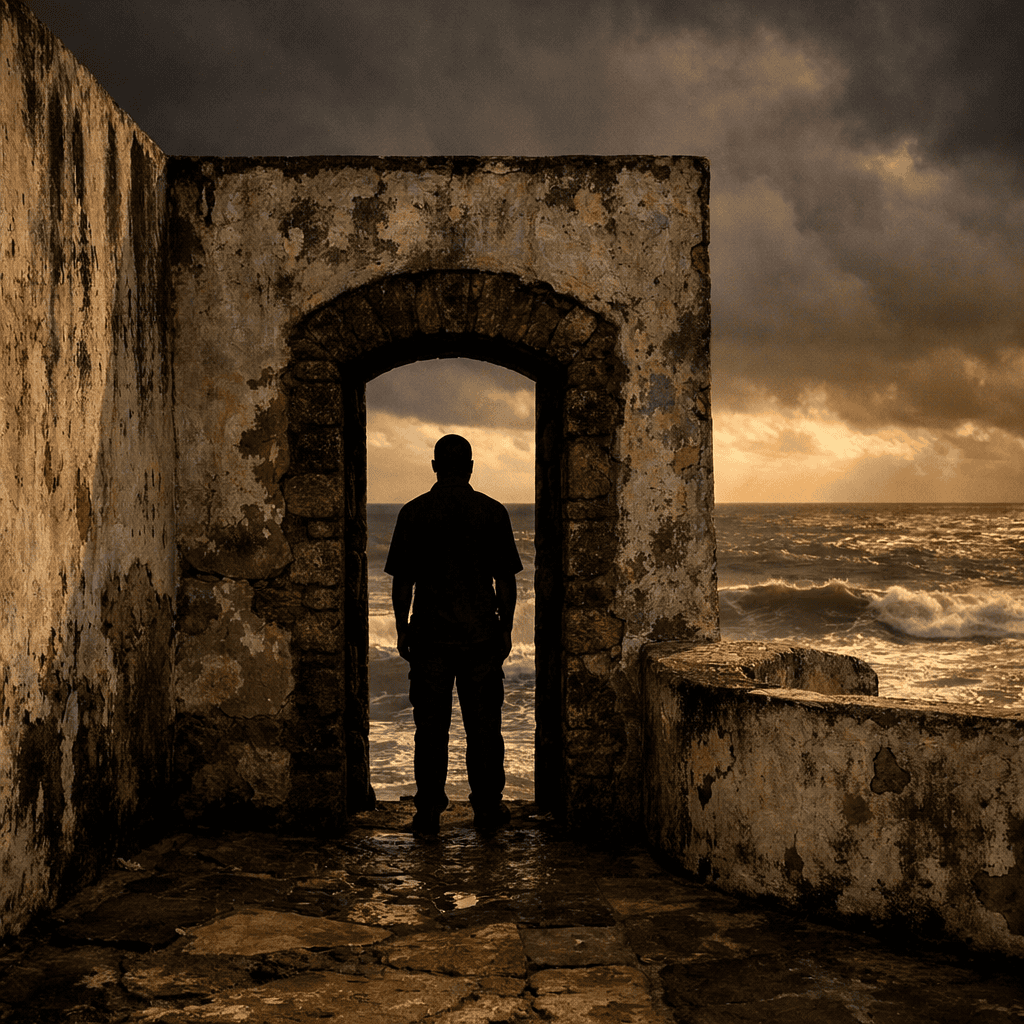
A Black American traveler joins a Ghana heritage pilgrimage and walks backward through Cape Coast Castle’s Door of No Return in a reentry ceremony — the same threshold captives were marched through toward the ships. This is the story of that walk, the history that makes it heavy, and the complicated truths about diaspora “homecoming” that don’t fit on a brochure.
Black Is Beautiful, Bahia Style: Inside Brazil’s First All-Black Carnival Bloco
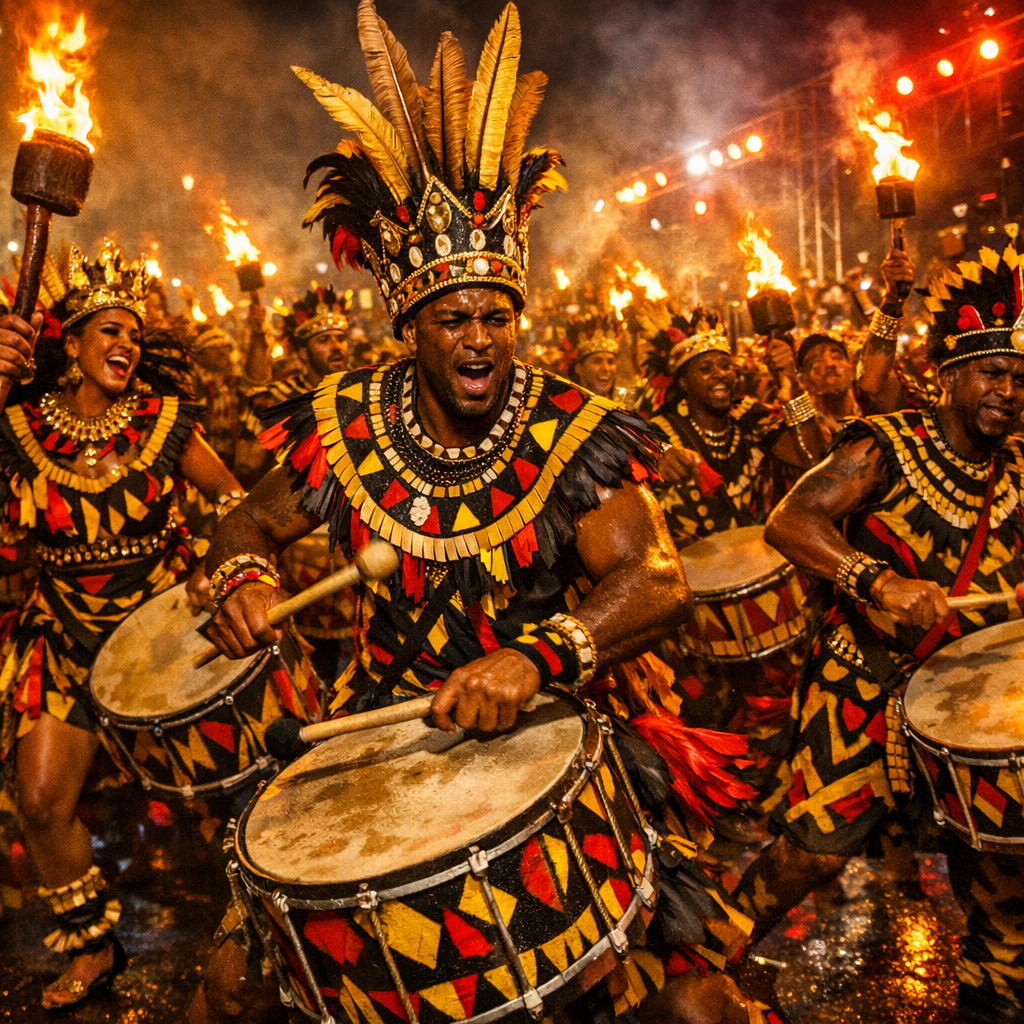
A traveler heading to Brazil for Carnival skips the mainstream Rio spectacle for Salvador da Bahia and falls in with Ilê Aiyê, the pioneering “bloco afro” founded in 1974 in the Liberdade neighborhood as an explicitly Black-pride carnival group. Fifty years later, its founding story, its once-controversial Black-members-only parade policy, and its annual African-nation tributes still reshape how Brazil sees its own Blackness.
Airlifted Home: The Ethiopian Jews Who Walked Out of Africa Into a New Identity
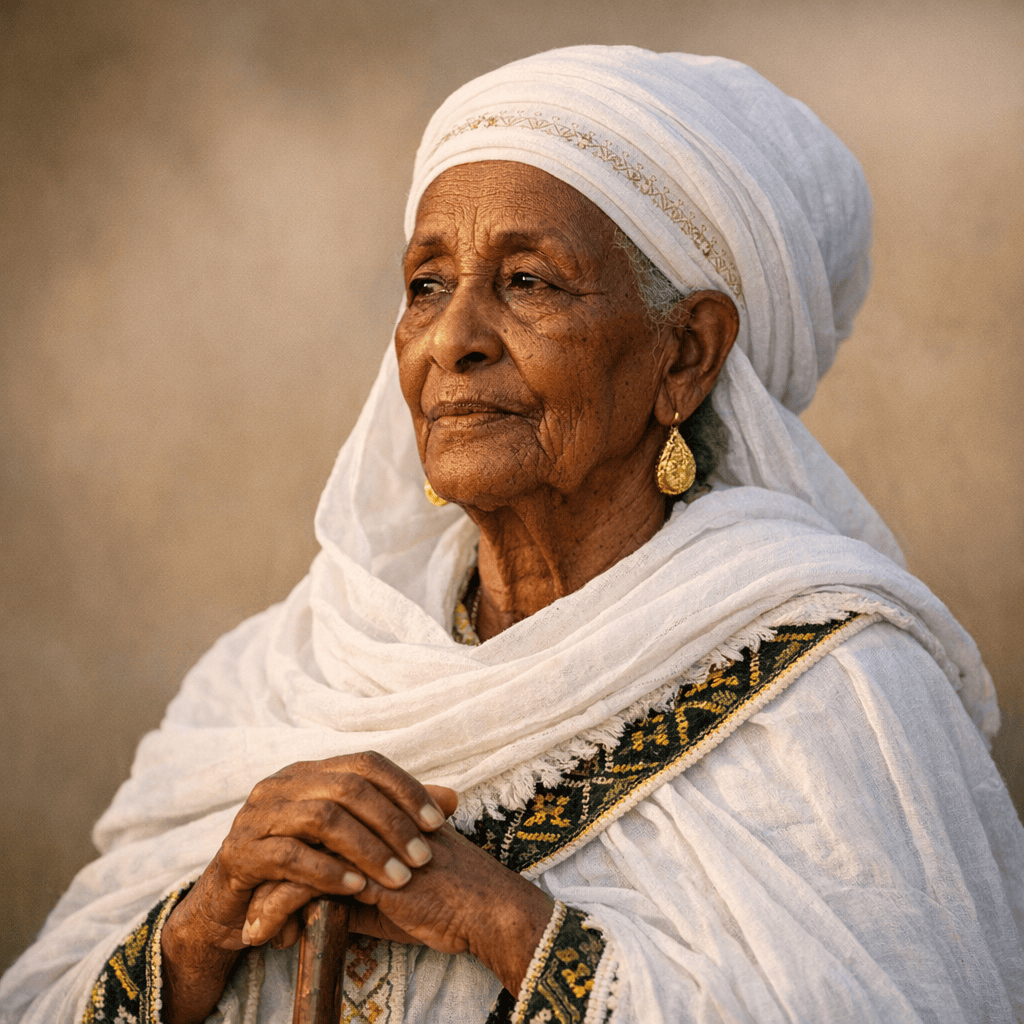
A community of Black Jews who trace their faith back centuries walked hundreds of miles through famine and war and were airlifted to a new home in two of history’s most dramatic rescue missions. This is one elder’s story, told during Sigd, the Beta Israel holiday now written into Israel’s national calendar.
The Devils of Portobelo: How an Enslaved People Turned Mockery Into Freedom
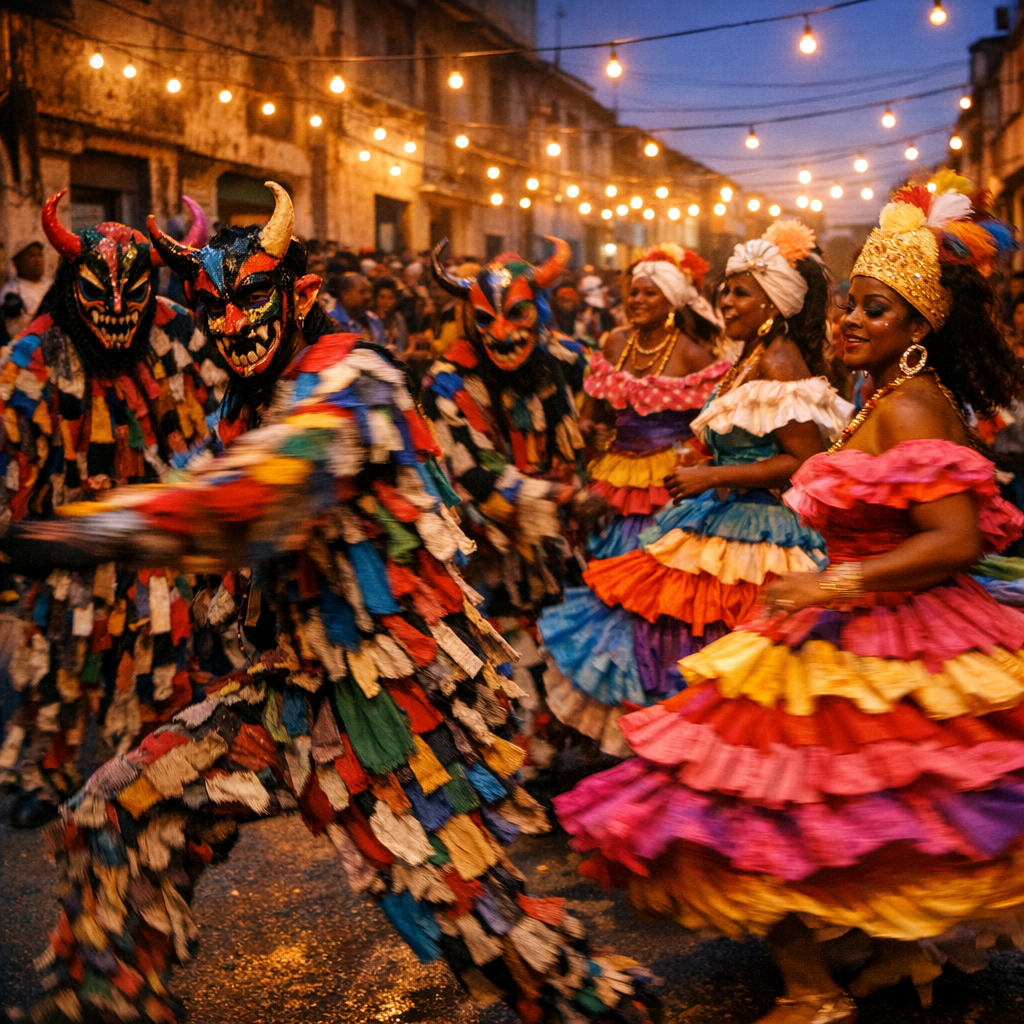
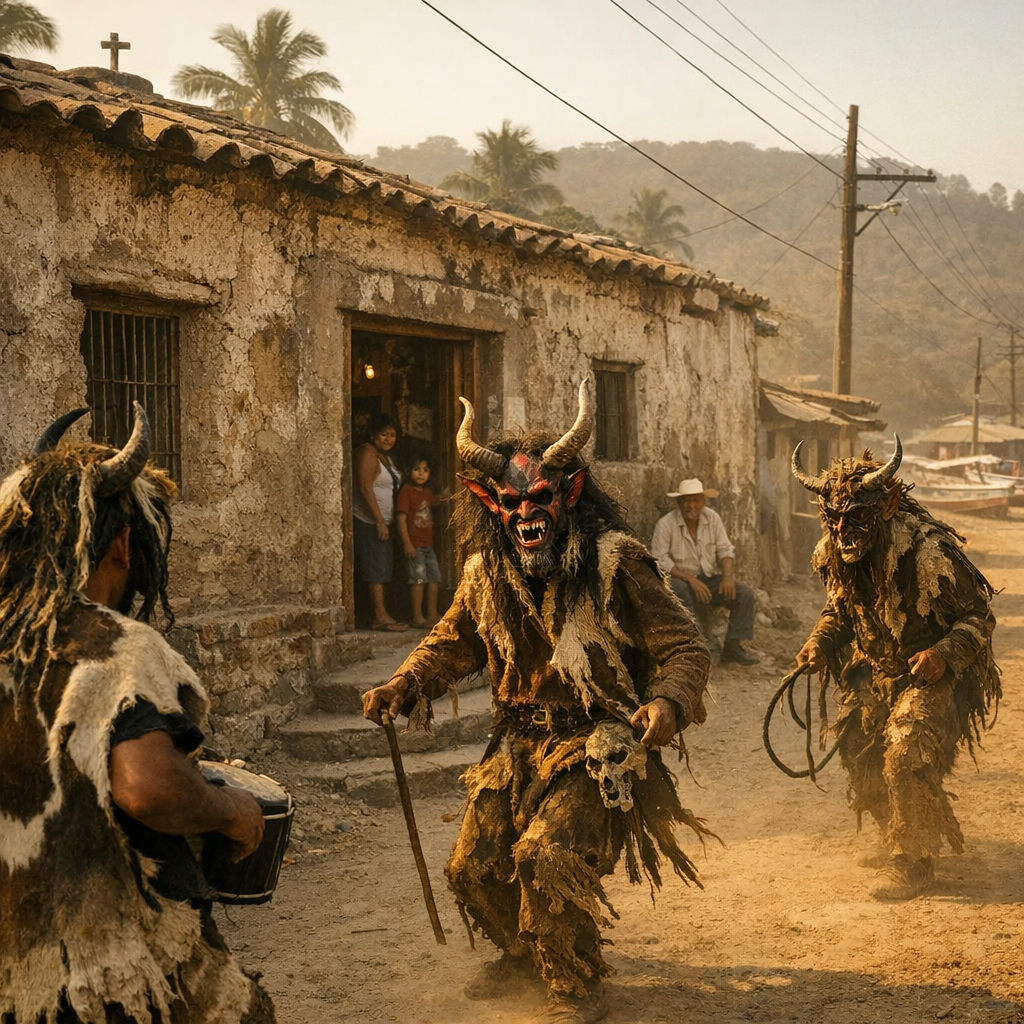
Afro-Panamanian Congo culture — descended from cimarrones who resisted Spanish colonial rule — reenacts slavery, escape, and freedom through call-and-response music, dance, and satirical “devil” costume theater in Portobelo. UNESCO recognized it as Intangible Cultural Heritage of Humanity in 2018.
Frozen Frontier: The Black Soldiers Who Carved a Highway Through Alaska
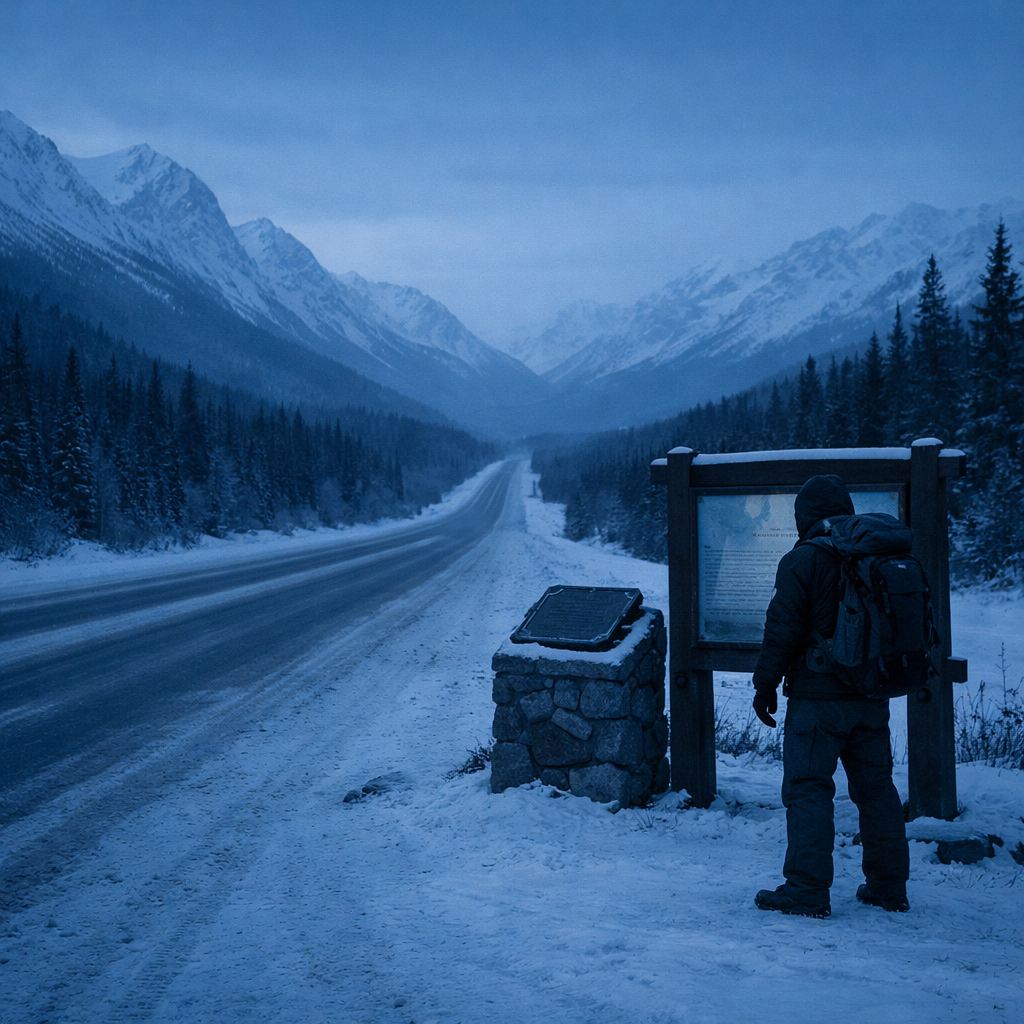
A road-tripper on a bucket-list Alaska drive pulls off at a bridge named for men most tourists have never heard of. In 1942, the U.S. Army sent nearly 4,000 Black soldiers in segregated regiments to blast and corduroy 1,500 miles of highway through Yukon wilderness at 40 below zero, often with the worst gear and the hardest terrain assignments. This is their story, and the road they built with picks, shovels, and will.
Before the UNIA: Marcus Garvey’s Lost Year on Costa Rica’s Black Coast
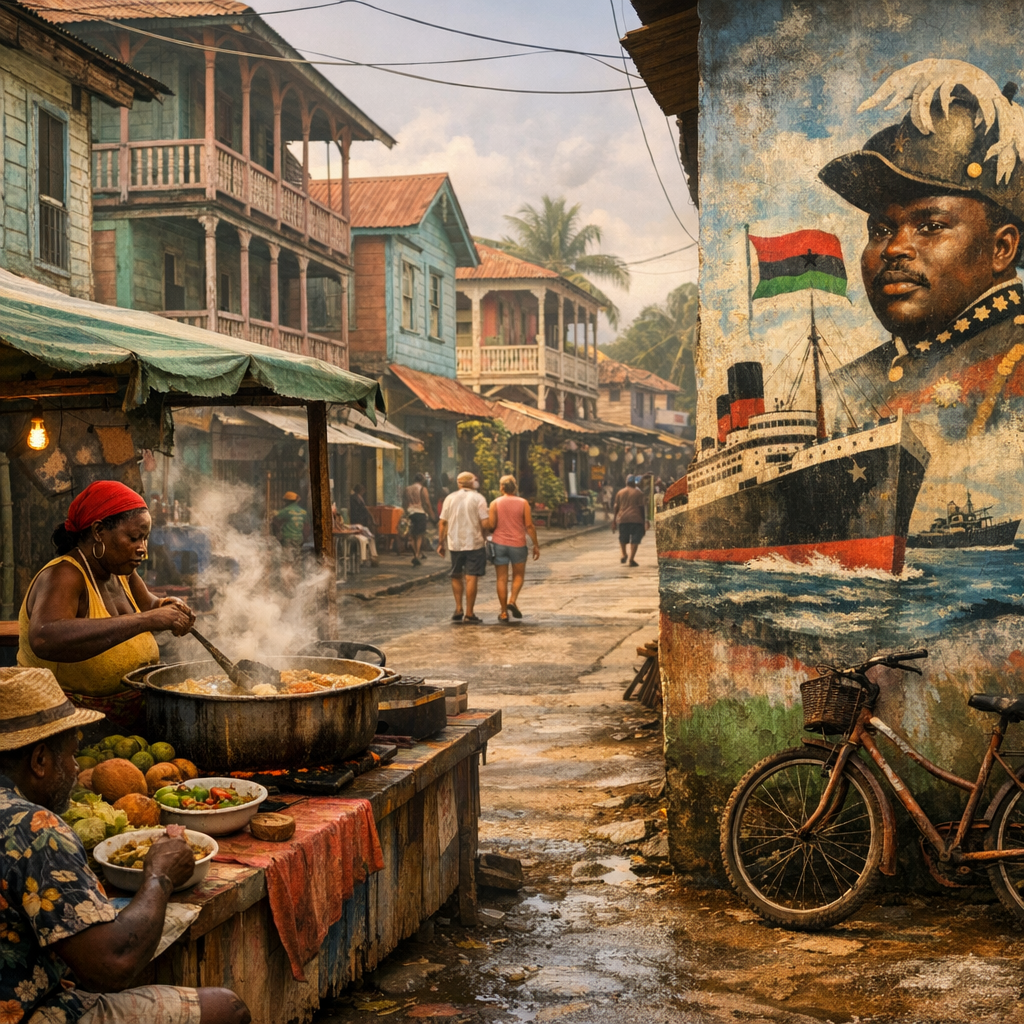
Everyone knows Marcus Garvey as a Harlem icon, but almost no one knows the Pan-Africanist movement he built was sparked in a Costa Rican port town most tourists skip entirely. A detour to Puerto Limon reveals the Afro-Caribbean community that built it, and the 23-year-old timekeeper it radicalized.
Exiled to Paradise: The Afro-Indigenous Nation Britain Tried to Erase
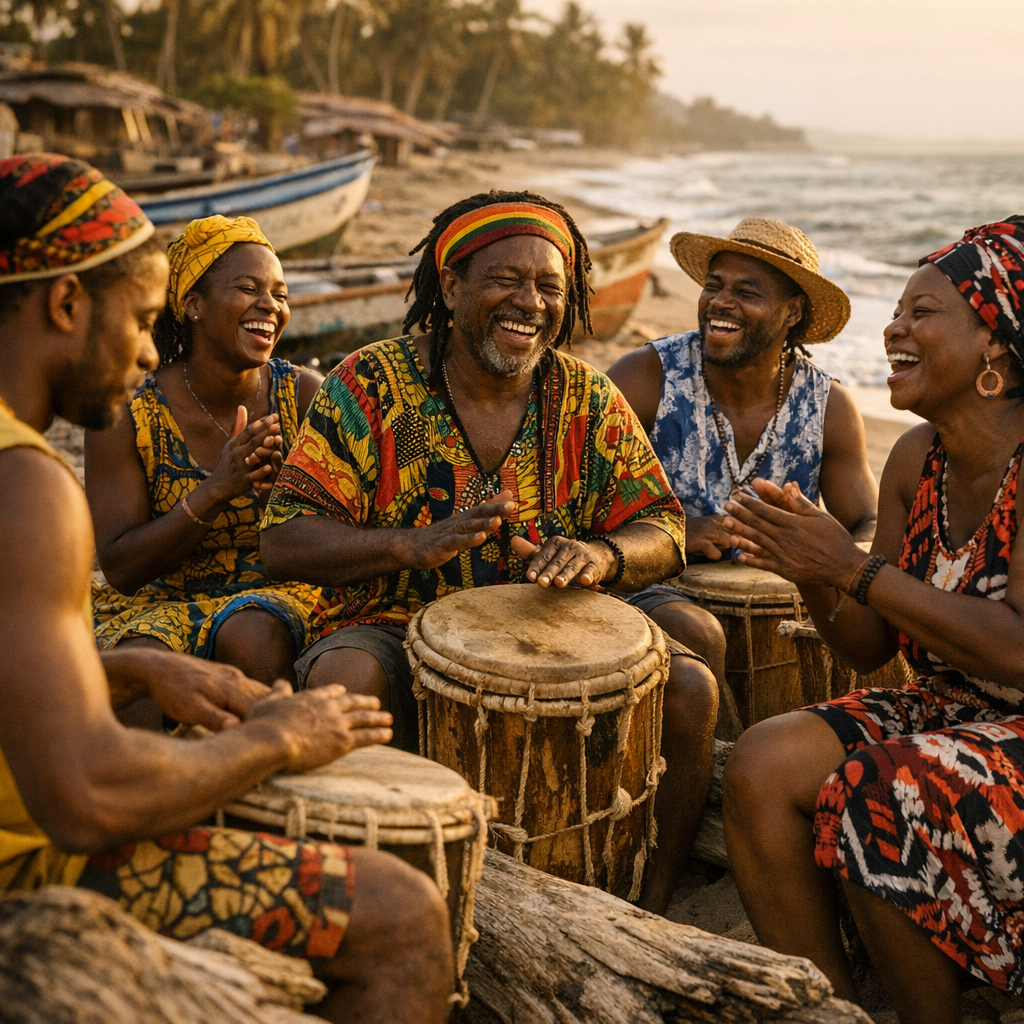
African survivors of slave-ship wrecks who intermarried with Indigenous Caribs on St. Vincent, fought the British for decades, and were forcibly exiled to Roatan in 1797 — from which their descendants spread across Honduras, Belize, Guatemala, and Nicaragua. This is the Garifuna story, and where to experience it today.


