Two Different Documents, Two Different Jobs
Every year, BTN hears from travelers who got to the airport counter and realized they mixed up two things that sound similar but do completely different jobs: their passport and a visa. It's an honest mistake — and one that can get you denied boarding before you ever reach the destination country's border. Here's the plain-English version, so it never happens to you.
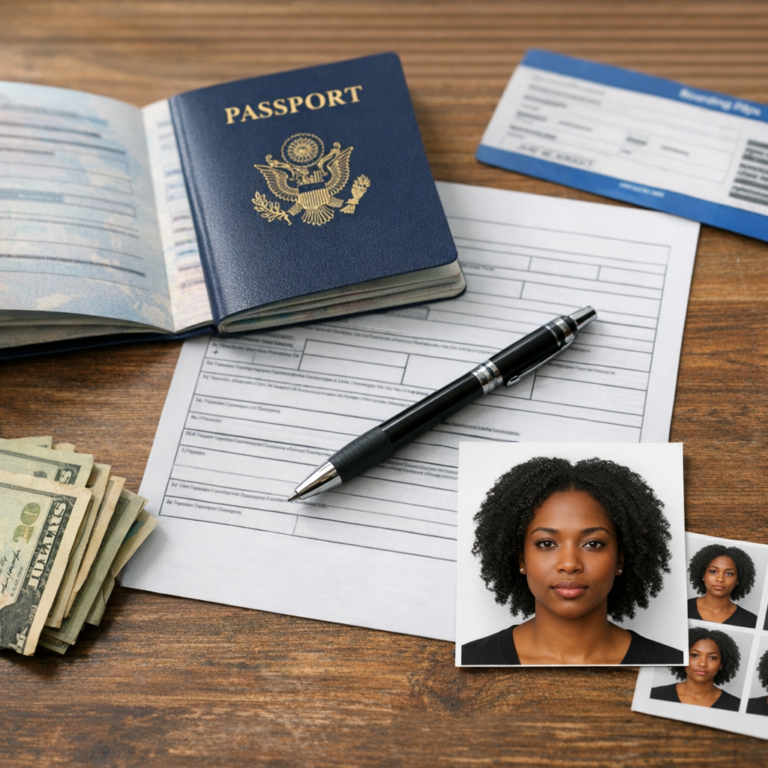
A passport is issued by your own government. It proves who you are and which country you belong to — your citizenship. A US passport book is generally valid for 10 years if you were 16 or older when it was issued, and every country in the world recognizes it as your primary identity document when you travel internationally.
A visa is issued by the country you're visiting, not your own government. It's that country's official permission for you, specifically, to enter — and it's tied to your exact passport number and the reason you say you're traveling. Your passport says who you are. A visa says a specific country has agreed to let you in, under specific conditions, for a specific trip.
Think of it this way: your passport gets you to the door. A visa is the invitation that says you're allowed through it.
How a Visa Actually Works
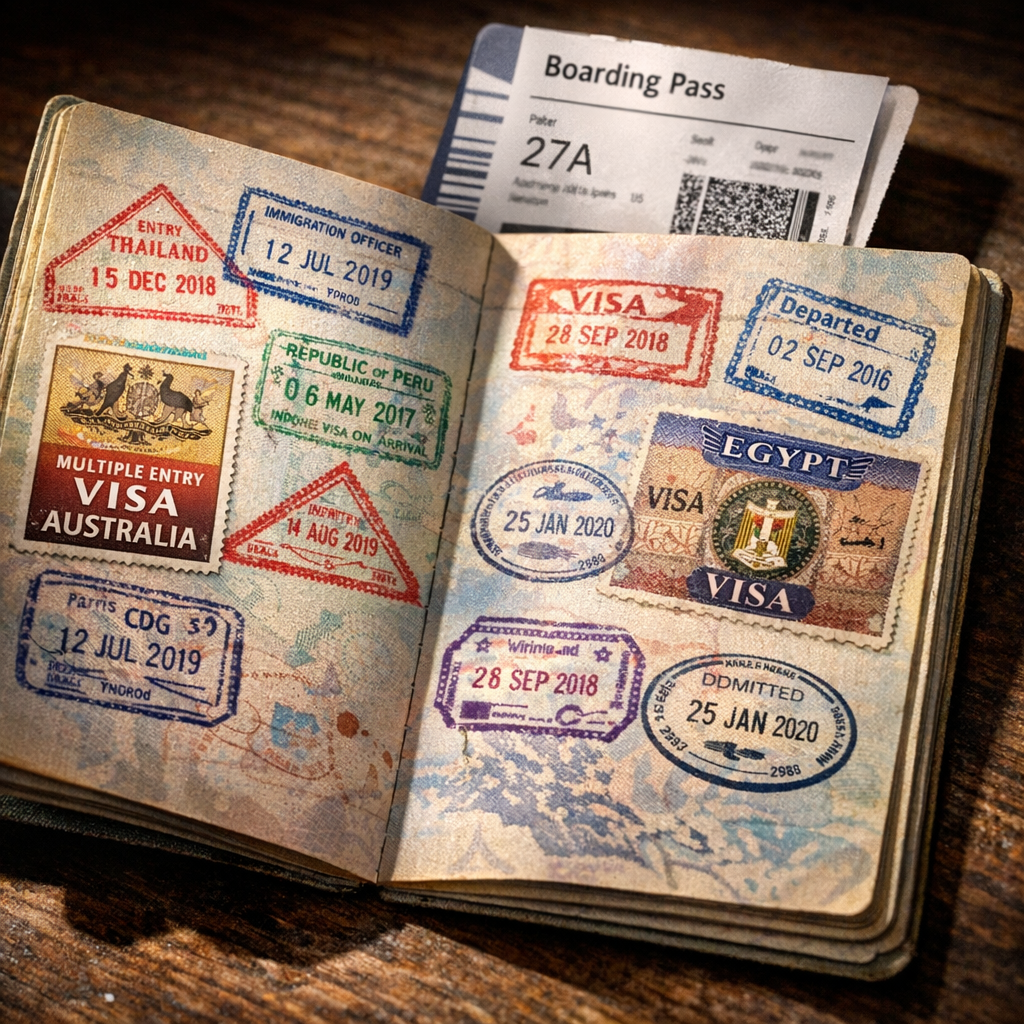
A visa isn't a standalone document you carry on its own — it's attached to your passport, whether that's a physical sticker glued into a passport page, a stamp, or (increasingly) a fully electronic record that's linked to your passport number in a government database with nothing physically added to the book at all.
Because a visa is tied to your specific passport, a few things follow from that:
- It's usually tied to one trip purpose. A tourist visa generally doesn't let you work, study, or do business — those typically require a different visa category entirely.
- It has its own expiration window, separate from your passport's expiration date. A visa can allow a single entry, multiple entries over a set period, or a specific number of days once you arrive — read the fine print on each one, since they vary widely.
- If you renew your passport, most visas don't automatically transfer. A visa issued in an old passport is generally void once that passport is no longer the one you're traveling on, with some exceptions depending on the issuing country.
- Not having a valid passport means you can't get a visa at all — and many countries require a set amount of passport validity (commonly six months) remaining beyond your travel dates before they'll even issue one.
The Main Types of Visas You'll Run Into
Not every trip requires the same kind of visa, and the terminology gets used loosely online. Here's what each type actually means.
Visa-Free Entry
Some countries let holders of certain passports enter with no visa application at all — you simply show up with a valid passport (and sometimes a return ticket or proof of funds) and get stamped in at the border, usually for a set number of days as a tourist. This is the simplest scenario, but "visa-free" status is specific to your nationality — a destination that's visa-free for a US passport holder may require a visa entirely for a passport from another country, and vice versa.
Visa on Arrival
A step up in paperwork: you still don't apply in advance, but instead of just walking through, you complete a short application and pay a fee at a designated counter when you land — often in cash, in the local currency. It's more convenient than a full advance application, but it does mean extra time in an airport queue, and it isn't a guarantee of entry; officials can still deny it.
E-Visa (Electronic Visa)
An e-visa is an entirely digital authorization you apply for online before you fly, usually a few days to a few weeks in advance. There's no physical stamp or sticker — the approval is linked electronically to your passport number, and you typically just need to carry a printed or digital copy of the approval email as backup. E-visas have become the most common format for many popular destinations because they're faster to process than a traditional embassy visa and don't require an in-person appointment.
Traditional Tourist or Business Visa
The most involved option: an application submitted in advance — often through an embassy, consulate, or an authorized visa processing service — that requires supporting documents (photos, bank statements, invitation letters, itineraries) and results in a sticker or stamp physically placed in your passport, sometimes only obtainable by mailing your passport in or visiting in person. These take the longest to process and are the ones most worth starting early.
Transit Visa
If your itinerary routes you through a connecting country — even if you never technically leave the airport — some nations require a transit visa just to pass through, separate from any visa you'd need for your actual destination. Layover length and whether you leave the airport terminal both affect whether one's required, so this is one of the most commonly overlooked visa types among travelers who assume a layover doesn't count.
How to Check What You Actually Need
Requirements depend on three things at once: your nationality (which passport you hold), your destination, and sometimes your route (including any layover countries). There's no universal answer — "what do I need for Brazil" depends entirely on whether you're traveling on a US passport, a UK passport, or any other nationality's passport.
The most reliable way to check is the IATA Travel Centre, built on the Timatic database — the same system airlines themselves use at check-in counters worldwide to verify a passenger's passport, visa, and health-document requirements before letting them board. It's free for travelers to search directly at iatatravelcentre.com: enter your nationality, your destination, and (if relevant) any transit countries, and it returns the current passport validity requirement, visa requirement, and any other entry conditions for that exact combination.
A few other places worth cross-checking, especially for US citizens:
- travel.state.gov — the US State Department's official country-by-country entry requirement pages, plus any current travel advisories.
- The destination country's embassy or consulate website — the authoritative source for that country's own visa process, since embassy sites reflect policy changes faster than third-party aggregators.
- Your airline's own booking tools — many now display a version of the Timatic check during booking or online check-in.
For a deeper look at which destinations currently offer visa-free or e-visa access for different diaspora travelers, check out our full visa-free countries guide — this article is meant to explain the concepts behind that list, not replace it.
How Far in Advance Should You Apply?
It depends entirely on the visa type, but as a general rule of thumb:
- Visa-free or visa-on-arrival: No advance action needed beyond making sure your passport meets the destination's validity requirement.
- E-visas: Most process within a few days to two weeks, but apply at least three to four weeks out when possible — processing times can stretch during high travel seasons or if your application needs additional review.
- Traditional embassy or consulate visas: Start four to eight weeks before departure at minimum. Some categories (long-stay, work, or student visas) can take months and may require an in-person interview appointment that itself has a waiting list.
Whatever the category, never book non-refundable travel until a required visa is actually approved and in hand — approval isn't guaranteed, and timelines can slip.
Rules That Commonly Trip Travelers Up
Passport validity and visa validity are two separate clocks. Many countries require six months of passport validity remaining beyond your travel dates — even if the visa itself would still be valid — and will deny boarding or entry if your passport is too close to expiration. Check both dates independently before you fly. For everything on renewing a US passport before that becomes a problem, see BTN's complete passport guide.
Visa-free status can change with little notice. Bilateral agreements between countries shift, sometimes for political or diplomatic reasons that have nothing to do with your trip. A destination that was visa-free for US passport holders a year ago isn't guaranteed to still be visa-free today.
An approved e-visa isn't a 100% guarantee of entry. Border officials retain final discretion at the port of entry in nearly every country, even when you're holding valid paperwork. Carry printed backups of any electronic approvals, along with your return ticket and proof of accommodations, in case you're asked.
The Bottom Line
Your passport proves who you are. A visa is a specific country's permission for you to enter, tied to that exact passport and that exact trip. Knowing the difference — and knowing which of the five visa types applies to your next destination — is the first step. The second step is verification: because visa policy changes frequently and without much warning, always confirm current requirements through the IATA Travel Centre or the destination's official embassy website no more than a few weeks before you travel, even for a country you've visited visa-free before. A five-minute check beats getting turned away at the gate.