Don't Let a Missing Shot Cancel Your Trip
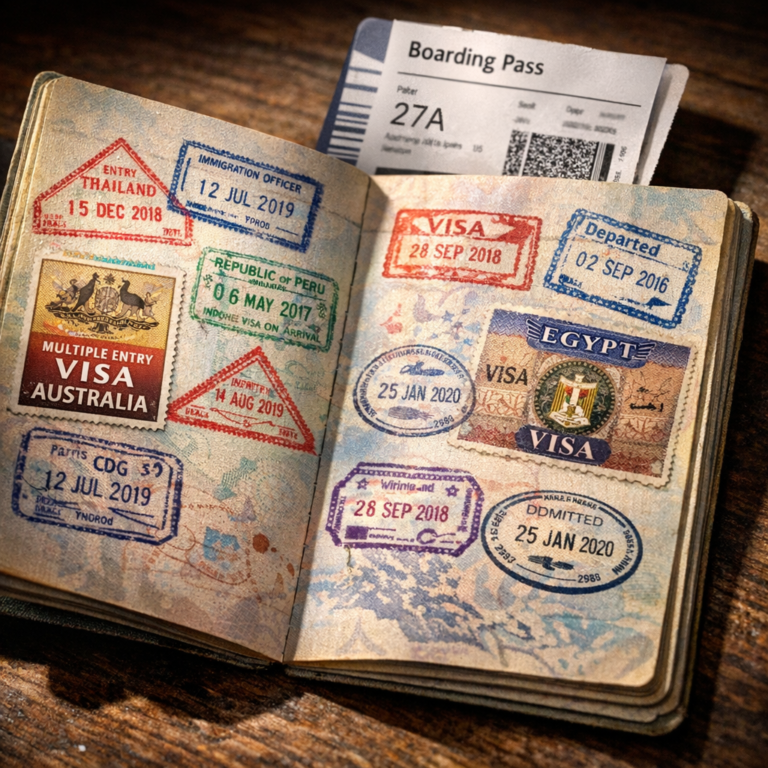
Here's a scenario BTN hears about every year: someone books the trip of a lifetime, packs their bags, gets to the airport — and gets turned away at the gate or held up at border control because they don't have proof of a required vaccination. The yellow fever vaccine, in particular, isn't a suggestion in a lot of countries across sub-Saharan Africa and parts of South America. It's a hard entry requirement, checked at the border, with your International Certificate of Vaccination or Prophylaxis as your proof. No certificate can mean no entry, full stop.
The good news: health prep for international travel is entirely avoidable stress. It just has to happen weeks before your trip, not the night before. This is BTN's step-by-step checklist for sorting out vaccines and health logistics with enough lead time that nothing catches you off guard at check-in or at the border.
A quick but important note: this article is for general planning purposes only and is not medical advice. It won't tell you which vaccines to get or recommend specific doses — that's between you and a licensed healthcare provider. What it will do is show you where to find the official, destination-specific guidance and how to build enough time into your planning to act on it.
Step 1: Look Up Your Destination on the CDC's Travelers' Health Site
Before anything else, go to wwwnc.cdc.gov/travel and search your destination country. The CDC's Travelers' Health destination lookup tool is the primary source for current, country-specific vaccine recommendations and health advisories for U.S. travelers, and it's free to use.
Punch in your destination and you'll typically see recommendations broken into a few tiers — routine vaccines you should already be up to date on regardless of travel, vaccines recommended for most travelers to that country, and vaccines recommended only for certain travelers (long stays, rural itineraries, specific activities like hiking or working with animals).
Why You Can't Just Google a List of Countries
Requirements change. A country that didn't require a particular vaccine last year might add it, and outbreak-driven advisories can shift with little warning. This is exactly why BTN isn't listing "countries that require yellow fever vaccination" in this article — any such list would be stale by the time you read it. Always check the CDC site directly, and cross-check with the destination country's embassy or consulate website, since embassies are the final word on entry requirements.
Step 2: Do This 4-6 Weeks Before You Fly — Minimum
Timing is the single biggest mistake travelers make with health prep. Here's why the lead time matters:
- Some vaccines need time to become fully effective. Your body needs time after a shot to build immunity — showing up the week before your flight can mean you're not actually protected when you land, even if you got the shot.
- Some vaccines are multi-dose series. A handful of travel vaccines aren't a single shot — they're a series given weeks apart, which means the whole process needs to start 6-8 weeks before departure to be completed in time.
- Yellow fever certificates have a required waiting period before they're considered valid for entry purposes, so getting it done at the last minute can leave you with a shot but not a valid certificate yet.
- Travel clinics book up, especially during peak booking seasons (spring break, summer, and around the winter holidays) — and if you need an uncommon vaccine, not every clinic stocks it.
BTN's rule of thumb: the moment you book international flights, put "schedule travel health appointment" on your to-do list the same day. Don't wait until packing week.
Step 3: Travel Clinic vs. Primary Care — Which One Do You Need?
Not every vaccine appointment requires a specialized visit. Here's how to decide where to go.
Your Primary Care Office Can Often Handle:
- Making sure your routine, non-travel vaccinations (like MMR, Tdap, and flu) are current
- Common travel vaccines that many general practices stock
- A general pre-trip health check if you have existing conditions
A Dedicated Travel Clinic Is Usually the Move For:
- Yellow fever vaccination — this one specifically requires an authorized yellow fever vaccination provider, not just any doctor's office, since only designated centers are permitted to administer it and issue the official certificate
- Less common travel-specific vaccines that a general practice may not keep in stock
- Destination-specific counseling on food, water, and insect-bite precautions from a provider who deals with this daily
- Prescriptions for travel-related preventive medication, where applicable
Practically speaking, a standard travel clinic visit can often be booked within a week or two of calling. But if your itinerary requires a multi-dose vaccine series, you're back to that 6-8 week runway — so identify early whether you'll need a travel clinic at all, ideally as soon as you know your destination.
Step 4: Sort Out Prescription Medications Before You Leave
If you take any prescription medication, international travel adds a few extra steps most people don't think about until it's almost too late:
- Check the destination country's rules on your specific medication. Some countries restrict or ban medications that are perfectly legal and common in the U.S., including certain common prescriptions. Check with the destination's embassy before you travel.
- Carry medication in its original, labeled packaging rather than a pill organizer, and keep it in your carry-on, not checked luggage.
- Bring a copy of your prescription or a note from your provider, especially for controlled substances or injectable medications (like insulin and syringes).
- Pack more than you think you'll need in case of travel delays, plus a portion in a separate bag from your main supply as a backup.
- Ask your pharmacist about refill timing — some insurance plans won't authorize an early refill without advance notice, so request a vacation override a few weeks ahead if you'll run out while traveling.
Step 5: Build a Basic Travel Health Kit
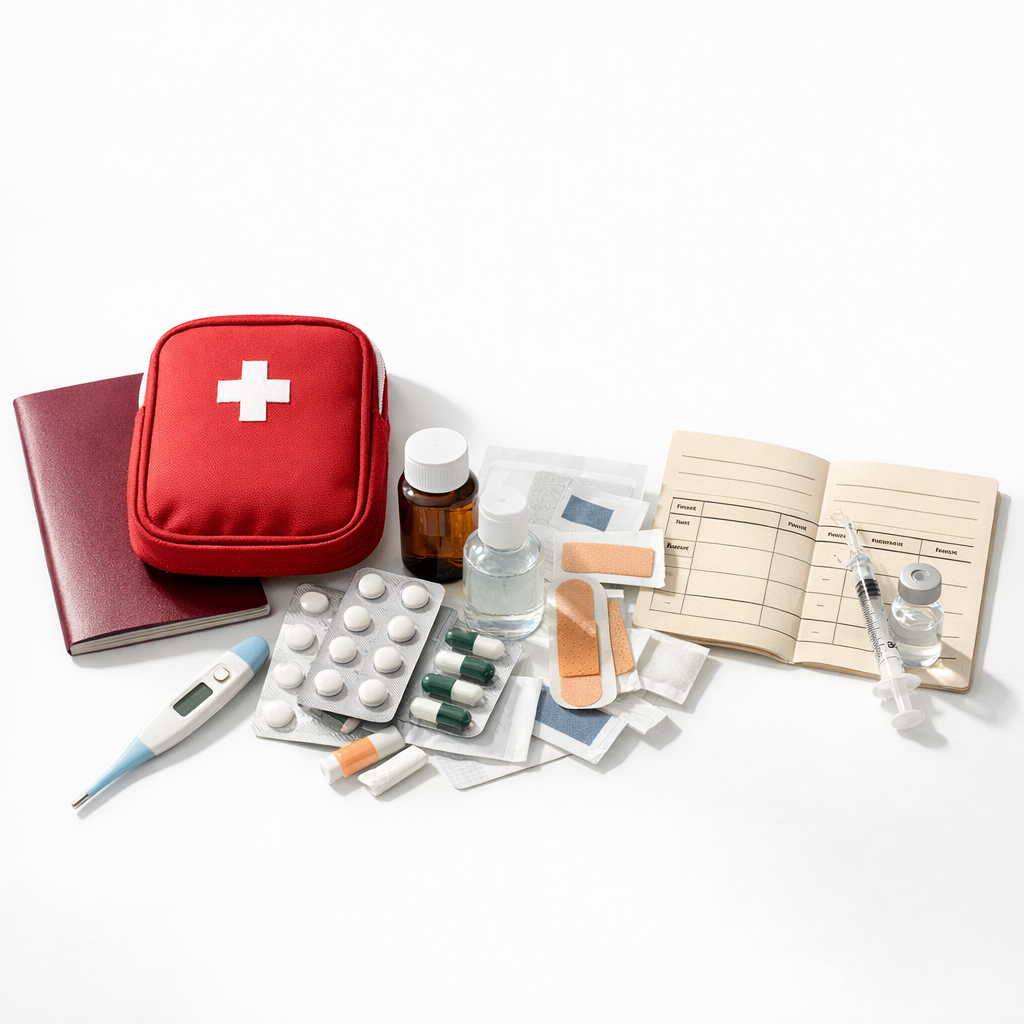
Alongside your vaccine records, a simple health kit covers the small stuff that can derail a trip if you're caught without it. A solid starting point includes:
- A copy of your vaccination record and the International Certificate of Vaccination, if you have one, plus a photo of it saved to your phone and cloud storage
- A basic first-aid pouch — adhesive bandages, gauze, antiseptic wipes, and any personal medications
- Hand sanitizer and a small supply of any over-the-counter remedies you personally rely on
- A digital thermometer, especially for family travel with kids
- Contact information for the nearest U.S. Embassy or Consulate at your destination, plus your travel insurance provider's emergency line
You don't need to build this from scratch — a general "travel health kit" pouch is a reasonable starting point to customize with anything specific to your trip or health needs.
Step 6: Keep Your Paperwork Together and Accessible
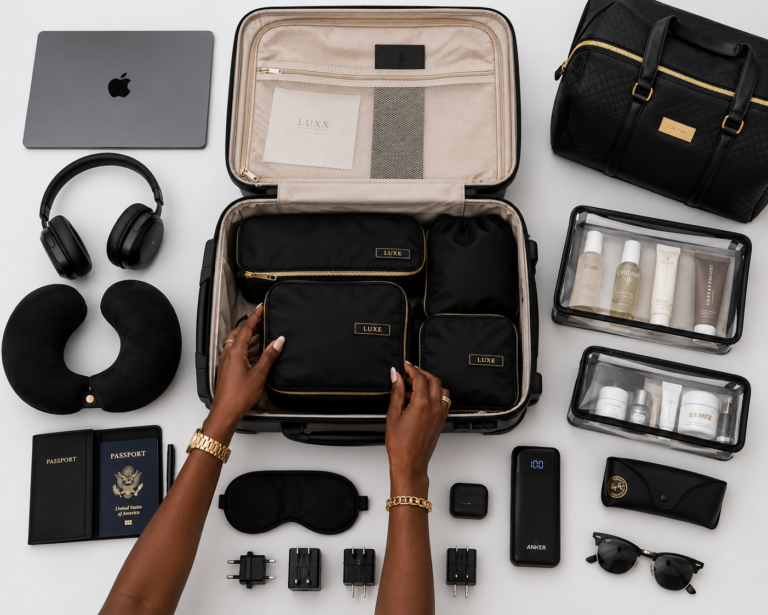
Border agents and airline check-in staff won't wait around while you dig through a suitcase for your yellow fever certificate. Keep your vaccination records, any required health documentation, your passport, and your travel insurance information together in one travel document folder — and photograph or scan everything as a backup in case the physical copy is lost.
BTN's Pre-Trip Health Checklist
- Look up your destination at wwwnc.cdc.gov/travel as soon as you book — before you shop for flights, if possible
- Cross-check entry requirements with the destination's embassy or consulate website
- Schedule any needed appointment 4-6 weeks out; 6-8 weeks if a multi-dose series or yellow fever is involved
- Confirm whether you need a general practitioner visit or a specialized travel clinic — yellow fever requires an authorized provider
- Review your prescription medications against your destination's rules and pack them properly labeled, in your carry-on
- Request early prescription refills from your pharmacy if needed before departure
- Pack a basic travel health kit and keep a digital and physical copy of your vaccination records
- Register your trip with the State Department's free STEP program at step.state.gov
- Save your destination's U.S. Embassy contact info and your travel insurance emergency line somewhere accessible offline
The Bottom Line
Health prep is one of the few parts of international travel that's entirely within your control, and it's one of the cheapest forms of trip insurance there is — most of it just takes advance planning, not money. Start with the CDC's Travelers' Health site the day you book, give yourself real lead time for anything requiring multiple doses or a specialized clinic, and keep your documentation organized and accessible. Do that, and the only thing standing between you and your gate is a normal boarding line — not a border agent asking for a certificate you don't have.