Solo Travel Is a Right, Not a Risk — But Preparation Still Matters
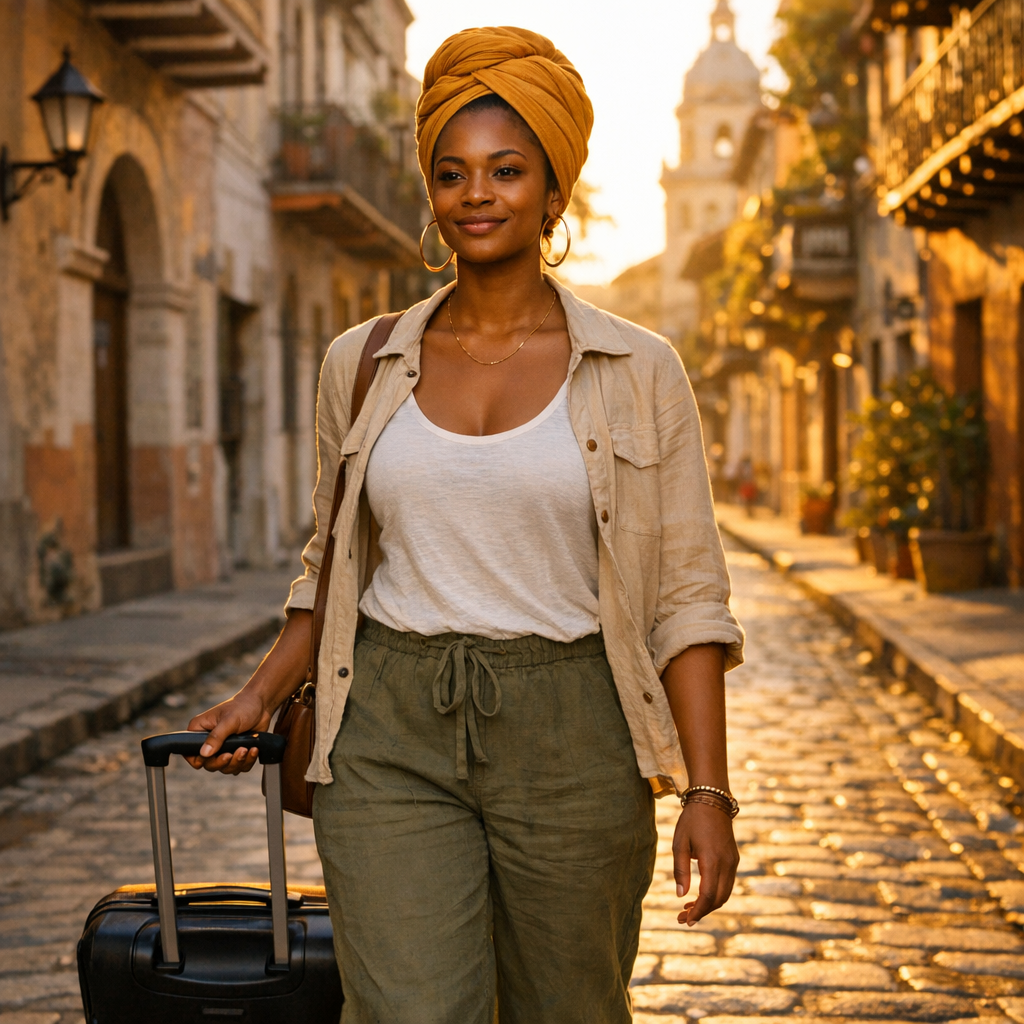
Every year, more Black women travel solo than the year before, and every year, generic travel-safety content fails to address what that actually looks like in practice — the specific questions about hair, about being read differently in different countries, about which destinations' online reputations are worth trusting and which aren't, about the particular calculus of traveling alone as a Black woman in places with little or no visible Black community. This guide is built from the ground up around those specific, real questions, not a repackaged generic safety checklist.
Choosing Your Destination: Read the Room Before You Book
Not every destination requires the same level of vigilance, and treating them all identically either creates unnecessary fear in genuinely welcoming places or dangerous complacency in places that need real caution. Before booking, research three things specifically: how the destination's Black expat and traveler community describes their actual on-the-ground experience (not marketing copy), the country's current US State Department travel advisory level, and whether there's an active Black traveler community group for that specific city where you can ask direct questions before you go.
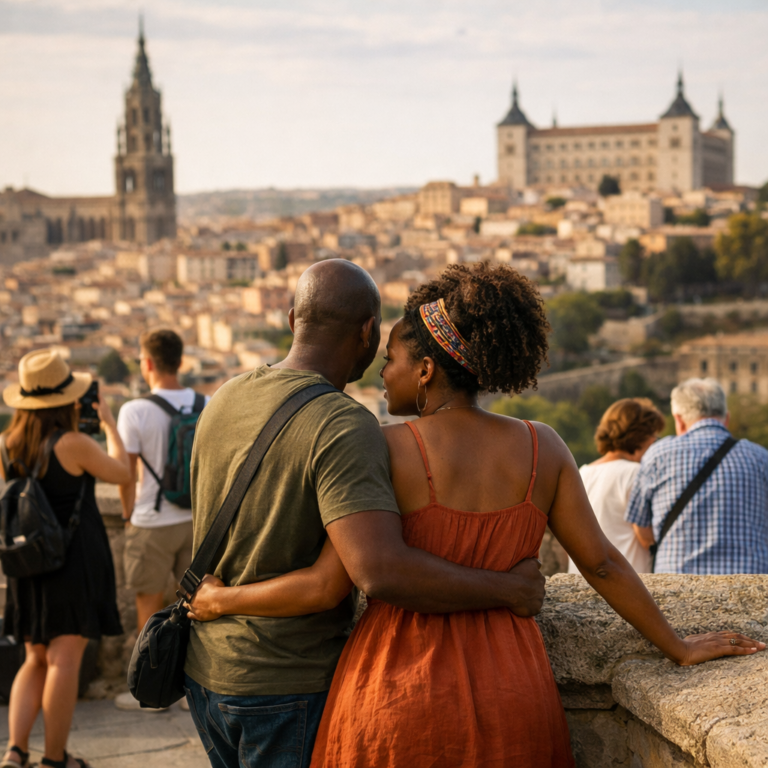
Destinations that consistently rank well with Black solo female travelers — Lisbon, Mexico City, Medellín, Cape Town, Accra, and most of the English-speaking Caribbean — share common traits: walkable central neighborhoods, reliable rideshare infrastructure, and an existing, documented community of Black travelers who've mapped the terrain before you.
Before You Leave: The Non-Negotiables
Register with STEP. The State Department's free Smart Traveler Enrollment Program takes five minutes at step.state.gov and ensures the nearest embassy knows you're in-country and can reach you in an emergency.
Share your itinerary with two people, not one. One person may be unreachable when it matters. Share your flight details, accommodation address, and a general daily plan with two trusted contacts, and check in on a schedule you agree on together.
Screenshot everything. Hotel confirmations, addresses in the local language, emergency numbers, and your accommodation's exact pinned location saved to your phone in case you lose signal or your phone dies.
Buy real travel insurance with medical evacuation coverage. Not the airline's $19 add-on — a real policy through providers like World Nomads, SafetyWing, or Travelex that explicitly covers solo travelers and medical evacuation.
Accommodation: Where You Sleep Matters More Than Where You Eat
Book accommodation in central, well-reviewed neighborhoods even if it costs slightly more — the money saved staying somewhere remote rarely offsets the added risk and stress of unfamiliar late-night transit. Read reviews specifically from other solo female travelers, not just overall star ratings. Female-focused or women-only floors, offered by chains like Ace Hotel and many boutique properties, and vetted hostels with women-only dorms (Selina, many Hostelworld top-rated properties) add an extra layer of built-in community and safety, especially for budget travelers.
On arrival, request a room away from the ground floor and away from stairwell exits when possible, and always know two ways out of your building, not just the way you came in.
Getting Around
Rideshare over street hails, always. Uber, Bolt, or the local equivalent creates a digital record of your driver, route, and timing that an unmarked taxi does not. Share your live trip status with a contact for every ride in an unfamiliar city.
Arrive in daylight when you can control it. Book flights and long transfers to land during daylight hours whenever your itinerary allows, so your first experience of a new arrival point isn't navigating unfamiliar territory in the dark.
Trust your read of a situation over politeness. If a driver, a tour guide, or a stranger's behavior feels wrong, you are allowed to end the interaction immediately, loudly, and without explanation. Solo travel does not require diplomacy toward anyone who makes you feel unsafe.
Hair, Beauty, and the Practical Stuff No One Talks About
Pack more product than you think you need — destinations without a significant Black population often have limited or no access to the specific hair products you rely on, and improvising with unfamiliar local products mid-trip is a common, avoidable stressor. Protective styles (braids, locs, wigs, twists) remain the most popular choice among frequent Black solo travelers specifically because they minimize daily maintenance demands in unfamiliar climates and water conditions. Research your destination's climate and humidity levels in advance and pack styling products accordingly rather than assuming your usual routine will translate.
Handling Unwanted Attention
Solo Black women travelers in many destinations report a specific pattern of curiosity or attention — sometimes admiring, sometimes invasive, occasionally rooted in exoticization. A firm, unsmiling "no" or simply walking away without engaging is a complete and sufficient response; you owe no one an explanation for ending an unwanted interaction. In group settings or markets, a simple wedding-ring style accessory (worn or not, entirely your choice) or a stated "I'm meeting my husband/partner shortly" can effectively close down unwanted approaches without confrontation, if that's a tool you're comfortable using.
Building In-Destination Community
The single most effective real-world safety tool for solo Black women travelers isn't a gadget — it's community. Facebook groups like Black Women Travel Movement, Nomadness Travel Tribe, and destination-specific groups (Black Expats in Lisbon, Black Travelers Cape Town, etc.) let you connect with other Black women already in your destination or traveling the same dates, arrange meetups, split accommodation costs, and get real-time, current advice that no guidebook can match.
Emergency Preparedness
Know the local emergency number before you land — it's not always 911. Save it in your phone alongside your embassy's address and after-hours emergency line.
Carry a portable charger, always. A dead phone in an emergency erases every other precaution you've taken.
Consider a personal safety app. Apps like Noonlight or bSafe allow you to trigger a silent alert with live location sharing to a chosen contact or emergency services with a single tap.
Learn a handful of local-language phrases — "help," "call the police," and "leave me alone" — even in destinations where English is widely spoken.
The Mindset That Actually Keeps You Safe
Fear-based travel content can be as harmful as recklessness — treating every destination as universally dangerous keeps Black women out of experiences that are, in reality, safe, enriching, and life-changing. The goal of this guide isn't to make you afraid to travel alone. It's to make you specifically, practically prepared, so that confidence replaces anxiety as your default state on the ground. Millions of Black women travel solo safely every single year. Preparation, not fear, is what makes that the norm rather than the exception.
The Bottom Line
Solo travel as a Black woman is not inherently more dangerous than any other kind of travel — it simply requires preparation tailored to real, specific questions that generic advice skips over. Do the research, build your community before you land, trust your instincts without apology, and go. The world is genuinely waiting for you to see it on your own terms.