Traveling Alone Isn't Lonely — It's the Fastest Way to Actually See a Place
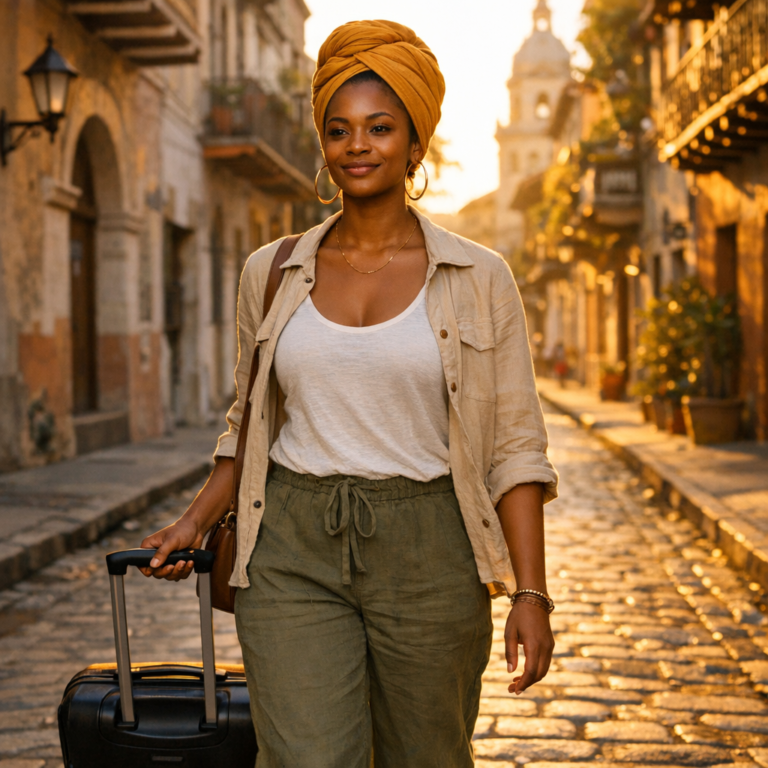
There's a version of travel where you're always negotiating: whose flight times, whose budget, whose museum-versus-beach-day preference wins. Solo travel skips all of that. You wake up when you want, you linger where you want, and you say yes to the detour nobody else would have agreed to. It's also, for a lot of first-timers, intimidating — which is exactly why it helps to have a plan instead of just a plane ticket.
Solo travel has been one of the fastest-growing segments of the entire travel industry since 2023, and the numbers back it up. Cruise lines, tour operators, and boutique hotels that used to treat single travelers as an afterthought are now building real product lines around them — more solo cabins, more solo-friendly itineraries, and a slow but real rollback of the fees that used to make traveling alone cost more per person than traveling with a partner. This guide walks through the actual logistics: where to go, where to stay, how to meet people, how to budget, and how to stay safe and connected — no partner, group chat, or travel buddy required.
Step 1: Choosing Your First Solo Destination
Your first solo trip isn't the time to wing it somewhere with no English signage, spotty transit, and a reputation for being tough to navigate. Save that for trip number four. For a first solo trip, look for:
- Reliable, easy-to-use public transportation — cities where you're not dependent on negotiating taxis in a language you don't speak.
- A well-established tourist infrastructure — walkable centers, clear signage, and enough visitors that you don't stand out as an obvious target.
- A flight length and time zone you can handle — a brutal red-eye into debilitating jet lag is a rough way to start your first solo adventure.
- A community already on the ground — cities with an active Black expat or diaspora community (think Lisbon, Mexico City, Accra, Medellín, or London) make it easy to find your people within days of landing.
Once you've built confidence on an easier trip, the more remote, less-trafficked destinations become a lot less intimidating — because by then you'll actually know how you handle solo travel, not just how you imagine you will.
Step 2: Booking Accommodations That Actually Welcome Solo Guests
This is where most first-time solo travelers get burned without realizing it: the dreaded single supplement, a surcharge that many hotels, cruises, and group tours have historically tacked on to solo bookings to make up for the "lost" second-guest revenue. The good news is that this is changing. As solo bookings have climbed industry-wide since 2023, more hotels and tour operators have started dropping or reducing single supplement fees to compete for solo travelers' business — some cruise lines have added dedicated single-occupancy cabins, and several tour operators now waive the fee entirely during certain seasons.
Ask about it directly. Before you book anything — a hotel room, a cruise cabin, a group tour — ask point blank whether a single supplement applies and whether it can be waived or reduced. It's increasingly negotiable, and operators competing for the growing solo-traveler market are more willing to work with you than they were even a couple of years ago.
Group Tours Built for Solo Travelers
If you want structure and built-in company without losing the flexibility of traveling alone, small-group tour operators are worth a serious look. Companies like Intrepid Travel and G Adventures run itineraries specifically designed around solo travelers, pairing you with a same-gender roommate on a twin-share basis so you avoid paying for a private room — or letting you pay extra for your own space if you'd rather have it. It's one of the most reliable ways to travel solo, meet people automatically, and sidestep the single supplement altogether.
Hostels and Solo-Friendly Hotels
Hostels aren't just for backpackers on a shoestring anymore — most cities now have design-forward "poshtel" options with private rooms, communal kitchens, and organized social events (pub crawls, walking tours, rooftop hangouts) built specifically to help solo guests meet each other. Even if you don't stay in a dorm, booking one night at a well-reviewed hostel early in your trip is a fast way to build a temporary crew.
Step 3: Meeting People Without Overplanning It
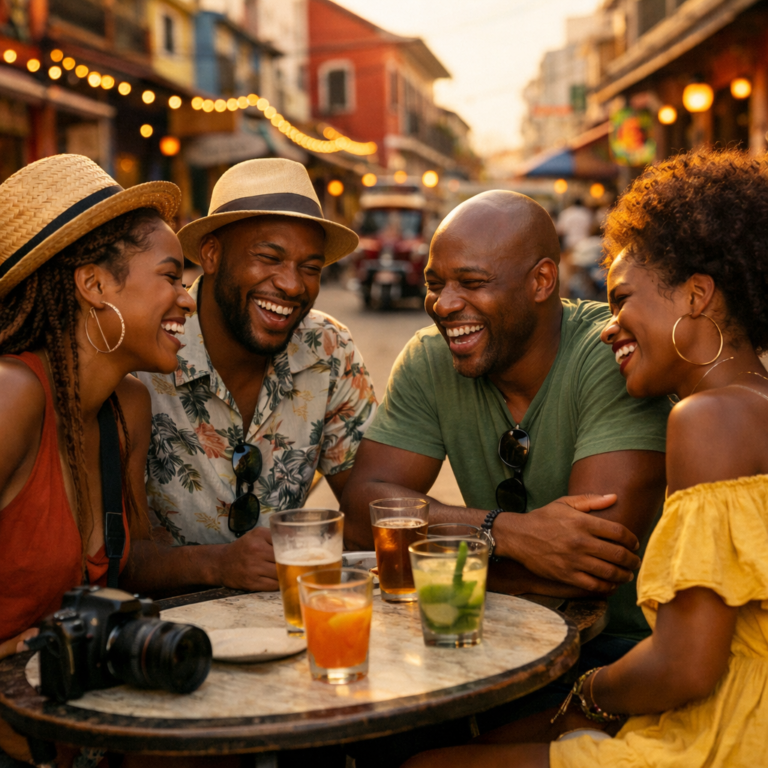
The biggest myth about solo travel is that you'll spend the whole trip alone. In practice, solo travelers tend to meet more people than travelers in pairs or groups — because you're more approachable, more likely to strike up a conversation, and not already locked into a travel companion. A few reliable ways to build connection on the road:
- Group day tours and food tours — even if your overall trip is unstructured, booking one or two guided experiences puts you in a room with other travelers who are also there solo.
- Hostel common areas and organized activities — even from a private room, most hostels welcome outside guests to their group dinners and events.
- Travel apps — apps like Meetup, Bumble BFF, and Facebook travel groups for specific destinations are genuinely useful for arranging a coffee or dinner with someone already in the city.
- Local meetups and community events — check Eventbrite or a city's tourism board site for anything happening the week you're there; a live music night or a food festival puts you around locals, not just other tourists.
Finding Your People Abroad
For Black travelers specifically, one of the most underused resources is the network of Black expat and traveler groups that now exist in nearly every major travel hub. Facebook groups like Black Expats in [City], Black Travel Alliance, and destination-specific diaspora communities are active, welcoming, and often the fastest way to get real, current advice — the best local spots, which neighborhoods to prioritize, who's hosting a dinner or event that week. A quick search before you land, or even a post in the group asking "anyone around this week?", regularly turns into a dinner, a group excursion, or a lasting friendship. It's community-building, not networking, and it's one of the genuine joys of solo travel within the diaspora.
Step 4: Budgeting Alone vs. Splitting Costs
Traveling solo means you absorb costs that would normally be split — the full price of a hotel room, a private airport transfer, a whole rental car sitting there for one person. A few ways to keep your solo budget realistic:
- Budget the single supplement into your total, then work to eliminate it. Assume you'll pay it, then negotiate or shop around to avoid it — that way you're pleasantly surprised rather than caught off guard.
- Lean on public transit and shared airport transfers instead of private cars, which hit a solo budget much harder per person than a split fare does.
- Choose accommodations with a kitchen or kitchenette — even cooking breakfast a few times a week adds up fast when you're not splitting restaurant checks with anyone.
- Consider a group tour for the parts of your trip that are hardest to do solo affordably — a multi-day safari or an island-hopping boat trip, for example, where a shared group rate beats booking privately by a wide margin.
Step 5: Staying Safe and Staying Connected
Good solo travel safety isn't about fear — it's a handful of habits that take five minutes to set up and then run quietly in the background of your whole trip.
- Share your real-time location with someone you trust. Find My iPhone, Google Maps location sharing, or a dedicated app like TravelSafe Pro let a friend or family member back home see where you are without you having to check in constantly. Turn it on before you leave and leave it on for the whole trip.
- Send someone your itinerary before you go — flights, hotel confirmations, and a rough day-by-day plan, so someone always knows where you're supposed to be.
- Check in on a schedule, not just when something goes wrong. A quick daily text to a trusted contact means someone notices quickly if you go quiet.
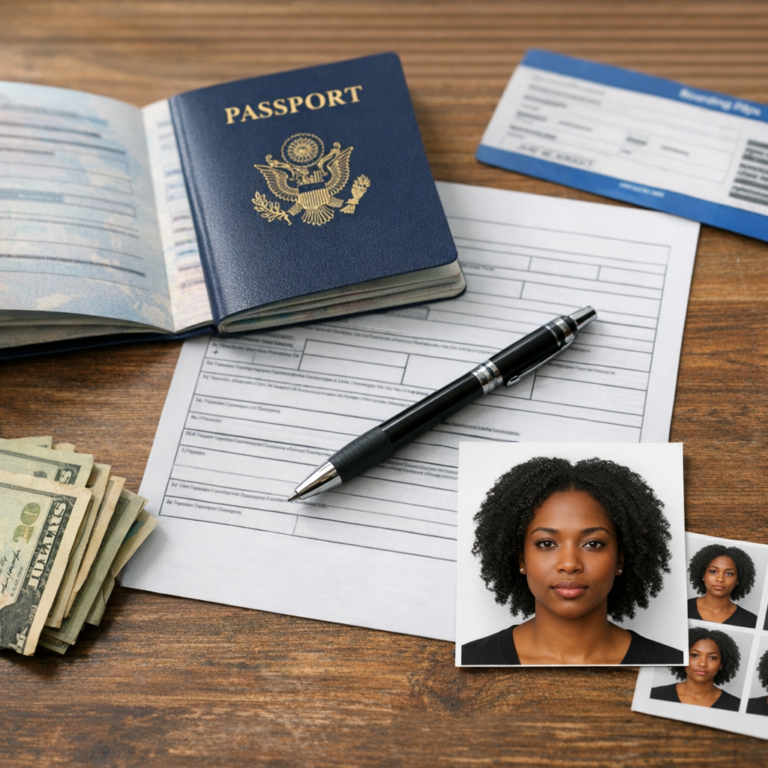
- Register with STEP (step.state.gov) for any international trip — it's free and puts you on the State Department's radar in an emergency.
These basics apply to every solo traveler, regardless of gender. If you're a woman planning a solo trip, BTN's Solo Black Woman's Travel Safety Guide goes deeper on the gender-specific precautions, accommodation vetting, and situational awareness that deserve their own dedicated guide — well worth a read alongside this one.
BTN Insider Tips
Ask about the single supplement every single time you book. It's one question, and increasingly, the answer is "we can waive that" — but only if you ask.
Book your first night before you land, and figure out the rest once you're there. You don't need a minute-by-minute itinerary for a solo trip — you need a safe, easy landing spot and the freedom to build the rest as you go.
Eat at the counter or the bar, not a two-top in the corner. Solo dining feels awkward at a table built for two; a counter seat puts you in the flow of the room and makes conversation with staff and other solo diners far more natural.
Say yes to the invitation. The dinner with people you just met at the hostel, the day trip a Facebook group is organizing, the local who offers to show you their neighborhood — solo travel rewards a genuine yes far more often than it punishes one.
The Bottom Line
Solo travel isn't a lesser version of traveling with people — it's its own thing, with its own rhythm, and once you've done it once, a lot of the fear that kept you from booking that first trip tends to disappear. Pick an easy first destination, book smart, share your location, and stay open to the people you'll meet along the way. The trip won't be lonely. It'll be entirely, refreshingly yours.