The Bag You Buy Should Match the Trip You're Taking
Every seasoned traveler has a story about the bag that let them down — the zipper that split open on a customs belt, the spinner wheel that snapped off on cobblestones, the "carry-on" that got gate-checked because it was two inches too big. The right luggage isn't about owning the most expensive set in the airport lounge. It's about matching the bag to the trip, understanding what airlines actually enforce, and knowing where it's worth spending more versus where a budget pick does the job just fine.
This guide breaks down the main luggage categories, matches them to real trip types, and walks through the size limits, lock standards, and tracking tools that matter most in 2026.
Match Your Luggage to Your Trip Type
The Weekend Girls' Trip (2-4 Days)
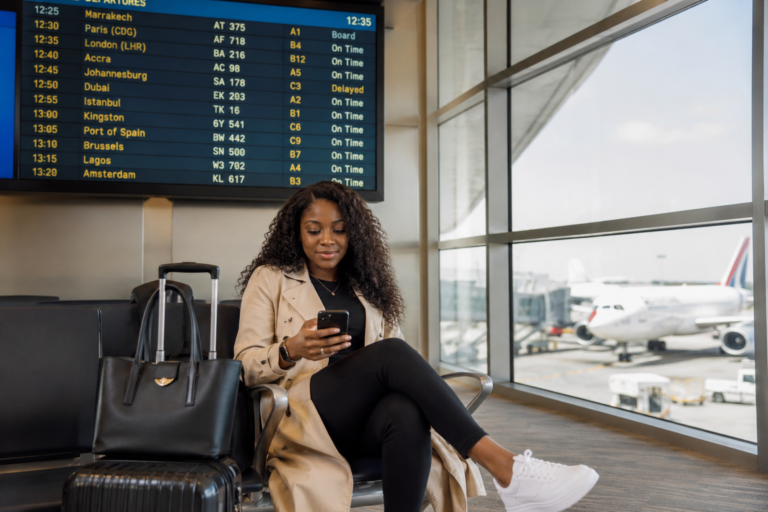
For a short trip, you want to move fast — no baggage claim, no checked bag fee, no waiting. A hardshell or softshell carry-on spinner (the roughly 20-22 inch size) paired with a personal item is almost always enough. If you're flying a budget carrier like Spirit or Frontier, consider a weekend duffel or a soft-sided carry-on that can compress into their smaller personal-item sizer, since even a standard carry-on triggers an extra fee on those airlines.
The Two-Week International Trip
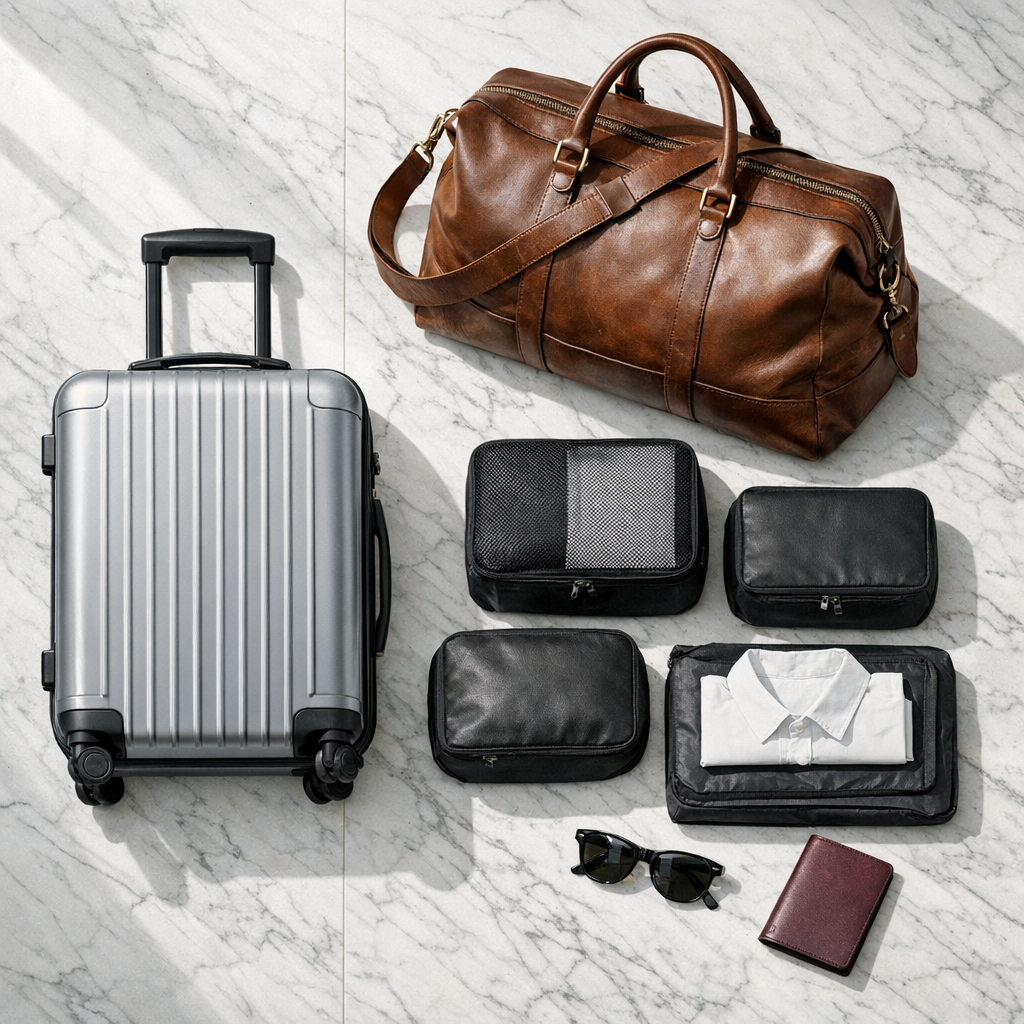
This is where a full-size checked spinner (typically 28-30 inches) earns its keep, ideally paired with a packing cube system so you're not living out of a jumbled suitcase by day three. Durability matters more here than on a quick domestic hop — you're dealing with more handlers, more transfers, and less control over how the bag gets tossed around. A hardshell with reinforced corners and a sturdy four-wheel spinner base holds up best across cobblestone streets, train platforms, and rideshare trunks.
The Cruise
Cruise packing is its own animal — you're packing for multiple climates and dress codes in one bag, and your luggage often sits outside your cabin door for hours before it's delivered. A large, sturdy checked bag with a real TSA-approved lock is non-negotiable, and packing cubes help enormously since you likely won't unpack fully until day two. Skip anything with delicate exterior straps or fabric that can snag on a luggage cart.
Business Travel
Frequent business travelers want a carry-on that can survive weekly wear without looking beat up, plus a garment-friendly design or a separate garment bag for suits and dresses. A hardshell with a laptop-friendly front pocket, a trusted four-wheel spinner base, and a low profile that fits budget-carrier-strict overhead bins (if you ever fly one for a quick regional hop) will save you the most hassle long term.
Hardshell vs. Softshell: What Actually Matters
This is less about which is "better" and more about which fits how you travel.
- Hardshell (polycarbonate or ABS): Better protection for fragile items, more weather-resistant, generally easier to wipe clean, and the four-wheel spinner design common on hardshells makes them easier to maneuver through crowded terminals. Downside: less flexibility if you're an inch over the size limit, and scuffs show more visibly.
- Softshell (nylon or polyester): More give when a bag is slightly overpacked, usually lighter, and often has more exterior pockets for quick-grab items. Downside: less protection for anything breakable, and fabric can snag or tear over years of hard use.
If you're buying one bag to do everything, a hardshell carry-on with a slightly expandable zipper gasket gives you the most flexibility — protection when you need it, a little extra room when you don't.
Know Before You Buy: Airline Size Limits and Fees
Airline baggage rules directly affect what luggage is actually useful to you, so check this before you buy — not after you're standing at the gate.
- Standard US carry-on limit: Most major US carriers — American, Delta, United, JetBlue, and Alaska — cap standard carry-on bags around 22 x 14 x 9 inches. Southwest is slightly more generous at roughly 24 x 16 x 10 inches. If you want one bag that clears nearly every airline's overhead bin, buy to the 22 x 14 x 9 standard, not the largest limit you can find.
- Budget carriers are stricter: Spirit and Frontier only include a small personal item free with a base fare — anything larger than their "personal item sizer" (roughly 18 x 14 x 8 inches) requires an add-on fee that climbs the later you pay for it (cheapest booked in advance online, most expensive paid at the gate).
- Checked bag fees keep climbing: As of mid-2026, first-checked-bag fees on major US airlines commonly run in the $35-$50 range domestically, and several carriers have raised prices this year, with online prepayment typically cheaper than paying at the airport. These fees change often — always confirm the current fee on your airline's website before you fly, especially close to your travel date.
- Weight limits matter too: Most US carriers cap checked bags at 50 lbs before an overweight fee kicks in — a luggage scale is a worthwhile $15 investment if you tend to pack heavy.
Packing Cubes: The Most Underrated Purchase You'll Make
If there's one upgrade that changes how you travel more than the suitcase itself, it's packing cubes. They compress clothing, keep categories separated (tops, bottoms, underlayers, dirty laundry), and make it possible to find what you need without unpacking the entire bag onto a hotel bed.
- For a weekend trip: two to three medium cubes is plenty.
- For a two-week trip: a full set — usually a mix of large, medium, and small cubes plus a shoe bag — keeps everything organized by category and makes repacking painless.
- For a cruise: compression cubes are worth the extra cost since you're often packing for several climates and formal nights in one bag.
Beyond organization, cubes protect your suitcase's structure — evenly distributed, compressed weight travels better than loose clothing shifting around during handling.
TSA Locks and Luggage Trackers: Non-Negotiables in 2026
Two small additions dramatically reduce your risk of a ruined trip.
TSA-Approved Locks
A standard padlock on a checked bag can legally be cut off by TSA if your bag is selected for a physical search. A TSA-approved lock (look for the red diamond logo) has a master keyway that TSA agents can open without cutting it, so your bag stays secure and your lock stays intact. If your luggage has a built-in combination lock, confirm it's TSA-approved before you rely on it for international travel.
Bluetooth Luggage Trackers
Airlines and travel insurers increasingly point to Bluetooth trackers — Apple AirTag, Tile, and similar devices — as one of the most effective ways to locate delayed or misdirected luggage. Slip one inside a hardshell's interior pocket (not just clipped to the outside, where it can be removed) so you can see exactly where your bag is if it doesn't make your connection. This has become such a common practice that some airlines now ask directly whether your checked bag has one when you're filing a delayed-baggage claim.
Budget vs. Splurge: Where to Spend and Where to Save
- Splurge on: your primary checked bag if you travel internationally more than once a year — the wheel quality, zipper durability, and hardshell integrity on a well-made bag genuinely outlast a budget version by years, not months.
- Splurge on: a real TSA-approved lock and a Bluetooth tracker — both are inexpensive relative to what they protect against.
- Save on: packing cubes — mid-range sets perform nearly identically to premium ones for most travelers.
- Save on: a secondary weekend duffel or tote you'll use occasionally — durability matters less if it's not absorbing years of baggage-handler abuse.
BTN's Bottom Line
You don't need five suitcases — you need the right one or two for how you actually travel. Build around a well-made carry-on for short trips, a durable checked spinner for longer or international travel, packing cubes to keep it all organized, and a TSA lock and Bluetooth tracker as cheap insurance on every trip. Buy for the trips you actually take, check your airline's current size and fee policy before every flight, and your luggage will stop being the thing you worry about at the airport.