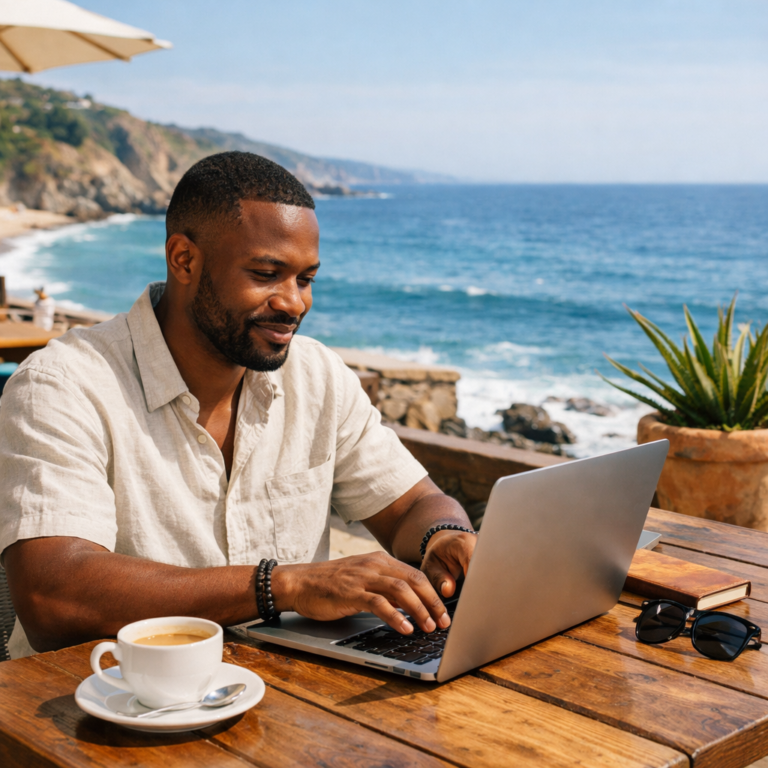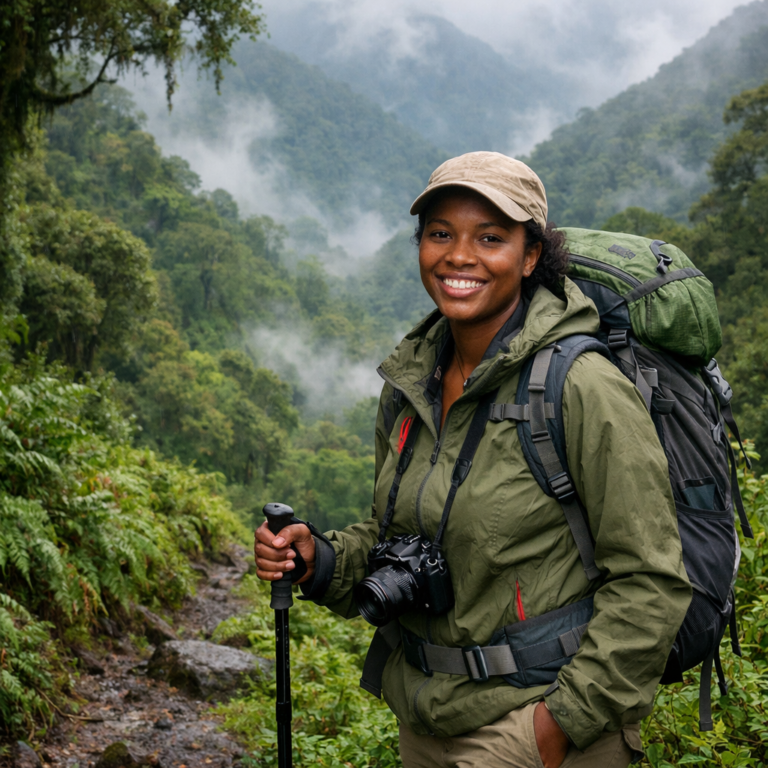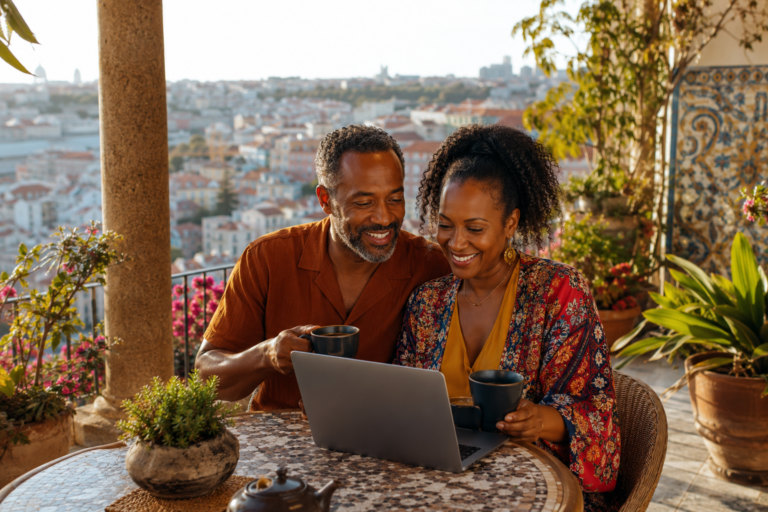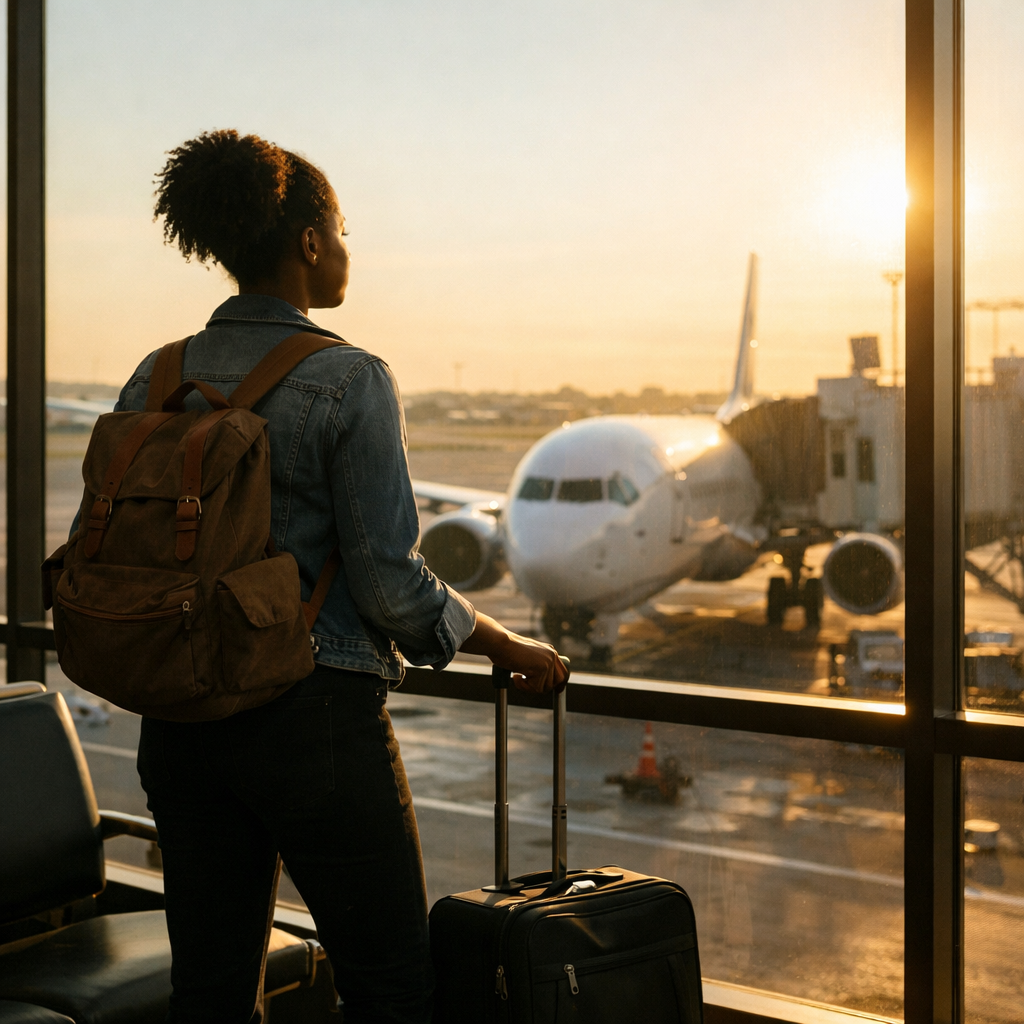
The Trip You've Been Waiting for Someone Else to Book
Here's the moment this episode is really about: you've had the destination saved in your phone for two years. You've sent the group chat the flight deal four separate times. You've watched three different friends say "I'm so down, let's do it" and then quietly let the dates pass without anyone booking anything. At some point, the honest question stops being "who's coming with me?" and starts being "am I willing to go without them?" This episode of Solo and Free exists for the moment you answer yes.
Solo travel isn't a consolation prize for when your crew falls through — it's become one of the fastest-growing ways people travel, period. Industry research firm Grand View Research projects the global solo travel market to reach roughly $627 billion in 2026, expanding at a 14.6% annual growth rate through the end of the decade. Female solo travelers now account for more than half of that industry's revenue, and search interest in "solo female travel" has climbed sharply over the past several years as more women choose independent trips over waiting on someone else's schedule. You are not behind. You are, statistically, right on time.
Naming the Mental Block (So You Can Actually Get Past It)
The "waiting for a travel buddy" block usually isn't really about safety or logistics — it's about permission. Somewhere along the way, a lot of us absorbed the idea that a trip only counts, or only feels acceptable, if it's shared. That belief is worth examining honestly, because it quietly costs people years of travel they never take. Ask yourself plainly: if no one ever said yes, would you still want to go? If the answer is yes, that's your answer. You don't need a travel buddy's approval to book a flight. You need your own.
It also helps to separate the fear of being alone in a new place from the fear of being seen traveling alone — two very different things. Most first-time solo travelers discover quickly that the first fear evaporates within a day or two of arrival, while the second one was mostly imagined in the first place. Nobody at a café table, a museum line, or a hotel check-in desk is thinking about you nearly as much as you're worried they are. That's not a cliché — it's the single most common thing solo travelers report after their first trip: the anticipation was the hardest part, not the trip itself.
Choosing Your First Destination: Three Things That Actually Matter
Your first solo trip is not the place to test your limits on logistics. Save the deep-jungle backpacking route and the country with three connecting flights for trip five. For trip one, look for destinations that hit three criteria:
Strong tourism infrastructure. You want reliable public transit or rideshare coverage, English widely spoken or easy translation tools, and a well-worn tourist path so you're never the first person to ask a question at your hotel front desk. Cities that have hosted independent travelers for decades — think Lisbon, Mexico City, Cape Town, or a domestic pick like New Orleans or Charleston if you want to keep your first trip even lower-stakes — all fit this mold.
An established solo-traveler community. Destinations with active Black solo-travel Facebook groups, meetup networks, women-only walking tours, or hostels known for their social common areas give you a soft landing. You're not committing to travel with strangers — you're just making sure the option to connect exists if you want it, which takes the pressure off entirely.
Lower perceived risk. This is about your own comfort, not anyone else's judgment. A place with straightforward entry requirements, a stable safety reputation, and daylight-hours walkability in central areas lets you spend your mental energy enjoying the trip instead of white-knuckling every decision. Perceived risk eases dramatically with experience — solo travelers who've completed several trips report far less travel anxiety than first-timers, which is exactly why destination one should be the gentle on-ramp, not the deep end.
Budgeting a Realistic First Solo Trip
A seven-day beginner solo trip realistically runs $800 to $1,500 all-in for most destinations that meet the criteria above, depending on how far you're flying and how you balance comfort versus savings. Here's a workable breakdown:
- Flights: $250–$600. Book 6-10 weeks out when possible, and set fare alerts through a flight-deal tool rather than checking manually every day — it's the single easiest way to shave $100+ off a first solo booking.
- Lodging: $250–$500 for the week. A mix of one or two nights in a comfortable, well-reviewed hotel bookending a few nights in a highly rated hostel with a private room option splits the difference between social energy and personal recharge time.
- Food: $150–$300. Street food, markets, and casual sit-down spots stretch further than tourist-zone restaurants, and eating where locals eat is usually both cheaper and better anyway.
- Activities and local transit: $100–$250. Prioritize two or three experiences you'll actually remember over a packed itinerary that leaves no room to breathe.
- Buffer: $100–$150. Every first solo trip should carry a cushion for the taxi you didn't plan on, the souvenir you didn't expect to want, or the day you decide to just treat yourself.
Travel gear is worth a modest upfront investment before you go: a solid daypack you can wear front-facing in crowded transit hubs, a portable charger, a doorstop alarm or door wedge for extra hotel-room peace of mind, and a physical copy of your key documents stored separately from your phone. None of this needs to be expensive — it needs to be handled before departure day, not scrambled together at the airport.
Handling Loneliness and Awkwardness Without Letting It Win
Nobody warns first-time solo travelers about the specific, low-grade awkwardness of a solo dinner on night one — the moment you're seated at a two-top alone and briefly wonder if everyone's looking. They're not, and it passes fast once the food arrives. A few things make that adjustment period shorter:
Book one small social touchpoint early in the trip. A group food tour, a day-trip excursion, or a hostel's welcome happy hour on night one or two gives you a natural way to meet people without the pressure of forcing conversation from scratch. You don't have to become best friends with anyone — you just need one easy, low-stakes interaction to remind your nervous system that you're not actually isolated.
Give yourself permission to have a quiet day. Solo travel doesn't require constant output or nonstop sightseeing to "earn" the trip. A slow morning with coffee and a journal, a long walk with no destination, or an afternoon nap because you're tired are all valid uses of a solo travel day. The loneliness that trips people up is usually less about actual isolation and more about the pressure to perform a highlight-reel version of the trip at every hour.
Use technology as a bridge, not a crutch. Check into destination-specific Facebook and WhatsApp groups before you land — many have active "anyone else in town this week?" threads. It's a low-commitment way to have a backup dinner companion some nights while still keeping full control over your own schedule the rest of the time.
Building Confidence for the Bigger Trips Later
Confidence on a first solo trip isn't built by forcing yourself into the hardest version of the experience — it's built by stacking small wins. Navigate one train system successfully, and the next country's transit map feels less intimidating. Order a full meal in a language you don't speak, and the next unfamiliar menu stops feeling like a test. Handle one missed connection or wrong turn calmly, and you'll trust yourself with the next unexpected hiccup instead of panicking through it.
If you want to ease in even further, consider a low-stakes practice run before your international debut: a solo weekend two hours from home, a solo day trip to a nearby city, even a solo dinner out in your own town. These aren't consolation versions of "real" solo travel — they're reps. By the time you land at your first international solo destination, you'll already know what solo actually feels like in your body, and the unfamiliar country becomes the only new variable instead of everything being new at once.
More Solo Episodes Are Coming
This episode opens up a running thread inside Solo and Free: general solo-travel guidance built for any reader taking their first (or fifth) trip alone, covering everything from packing strategy to navigating solo layovers to choosing your second destination once the first one builds your confidence. Running in parallel, keep an eye out for Solo Sisters Abroad — a dedicated sub-thread inside this series speaking directly to the specific experience, safety considerations, and community-building that Black women navigate traveling solo, expanding on the ground Episode 1 broke open in Cape Town.
Whichever thread speaks to you, the throughline is the same: the trip doesn't need a second name on the itinerary to count. It just needs yours.
Listen & Follow
Catch the full audio conversation on the BTN podcast, and follow Black Travel Now across social media for the rest of the Solo and Free series as it drops.