The Sunset Doesn't Show the Paperwork
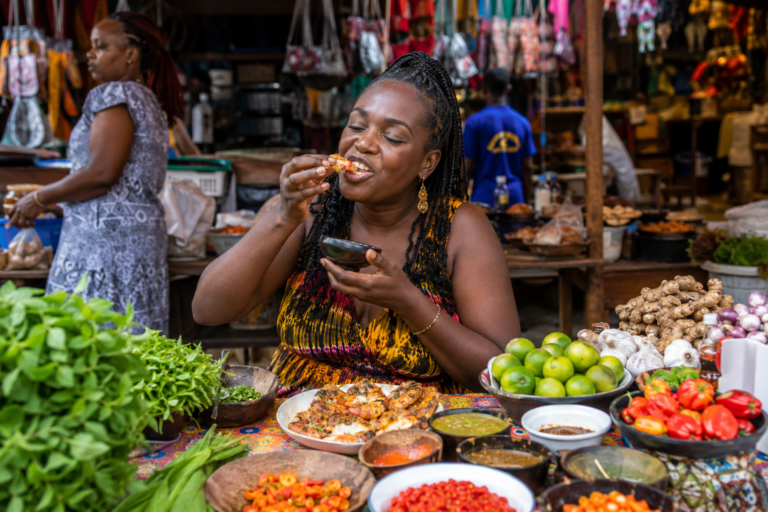
The reels show the beach sunset. The rooftop pool. The plate of jollof or the plantain stand at golden hour. What almost nobody posts is the Tuesday afternoon they spent in a residency office waiting room, watching a clerk shuffle the same folder for the third hour in a row, or the phone call to a US bank asking why a card got flagged for "suspicious activity" in a country they now live in. Five episodes into Black Expat Files, BTN has taken you to the beaches, the citizenship pathways, and the communities that make relocating abroad feel like freedom. This closing episode is the other half of that story — the one told by people who are actually living it, not performing it.
This isn't a walk-back of the Blaxit dream. It's the counterweight that makes the dream durable: go in informed, not blindsided.
The Bureaucracy Nobody Warns You About
Ask almost any American who has actually completed a residency, work permit, or business registration process abroad, and paperwork is the first thing they bring up — not culture, not cost, not weather. Journalist Kiratiana Freelon, who relocated to Brazil, has described spending roughly three months and ten separate consulate visits before her correspondent visa came through, navigating FBI background checks and apostille requirements that weren't clearly spelled out on any government website. At one point she was told her visa category wouldn't be approved unless she worked for an outlet like The New York Times or The Wall Street Journal — a requirement she only learned by showing up in person, repeatedly.
Similarly, entrepreneur Lakeshia Ford, who relocated to Ghana and now runs a PR agency there, has said the thing she wishes she'd understood sooner wasn't the culture shock — it was the actual legal steps required to register and operate a business, the kind of compliance work that's invisible until you're the one filling out the forms. Multiply that by residency permits, work permits, import licenses, and the periodic renewals most countries require, and "the visa office lost my paperwork" stops sounding like a punchline and starts sounding like a Tuesday.
None of this means the process is impossible. It means it takes real time — often measured in months, sometimes a year or more — and real patience with systems that don't move at American speed or transparency.
The Real Cost of "Cheaper" Abroad
Lower cost of living is one of the most consistent, real draws of relocating abroad, and BTN isn't here to take that away from anyone — rent, domestic help, and eating out genuinely do stretch further in Accra, Mexico City, or Bali than in most US metros. But the popular framing skips a category: imported goods, foreign banking, and the specific costs that come with being new.
Writer Juleen Gentles, who has lived across Nigeria and Ghana, has detailed how international banks routinely flag transactions out of West Africa as suspicious, how point-of-sale card payments are unreliable with foreign cards, and how ATM withdrawals can cap out around $24 USD per transaction with steep fees attached — pushing many expats toward cash and mobile money systems they have to learn from scratch. Anything shipped in from abroad — specialty foods, electronics, certain medications, even some cosmetics — typically carries import markups on top of shipping delays that can stretch for weeks.
There's a second layer locals feel more than newcomers do, but that shapes the experience anyway: in Accra, longtime resident Anthony Amponsah Faith, a local driver, has pointed to housing costs that have climbed sharply as returnees and expats have moved into certain neighborhoods — describing paying roughly 120 cedis a month for housing in 2019 and now paying closer to 450 cedis for the same kind of unit. That's not a reason not to move. It's context for why the "everything is so cheap here" narrative needs an asterisk, and why a real budget — not a vibes-based estimate — matters before you sign a lease.
Healthcare Abroad: Better, Different, and Something You Still Have to Learn
Here's a place the reality check actually cuts in a hopeful direction, with a caveat. Several Black travelers have described healthcare abroad as genuinely impressive compared to the US system. Traveler Martie Bowser has recounted getting a dental abscess treated quickly and thoroughly at Ridge Medical Center in Accra, with multiple specialists reviewing her case and lower narcotic prescribing than she was used to at home. Carey Bradshaw has described paying out of pocket for full diagnostic workups — MRIs, X-rays, bloodwork — for around $260 in Vietnam and $400 in Jamaica, with doctors who took the time to actually explain what they were doing rather than rushing through appointments.
That's real, and it's worth saying clearly, because it cuts against the assumption that healthcare abroad is automatically worse or riskier. But "better" and "different" are not the same thing, and the adjustment is still a genuine friction point. Every country has its own mix of public and private care, its own standard of what's covered and what isn't, and its own paperwork for foreign residents to access either one. Expats commonly report an early period of not knowing which hospital is actually the right one for a given issue, not understanding what their US-based insurance will and won't reimburse overseas, and discovering — usually during an actual emergency, not before — that a US health plan often doesn't function abroad the way people assume. This is exactly the gap international health insurance built for expats is designed to close, and it's worth pricing out before you relocate, not after your first urgent care visit.
The Isolation Nobody Instagrams
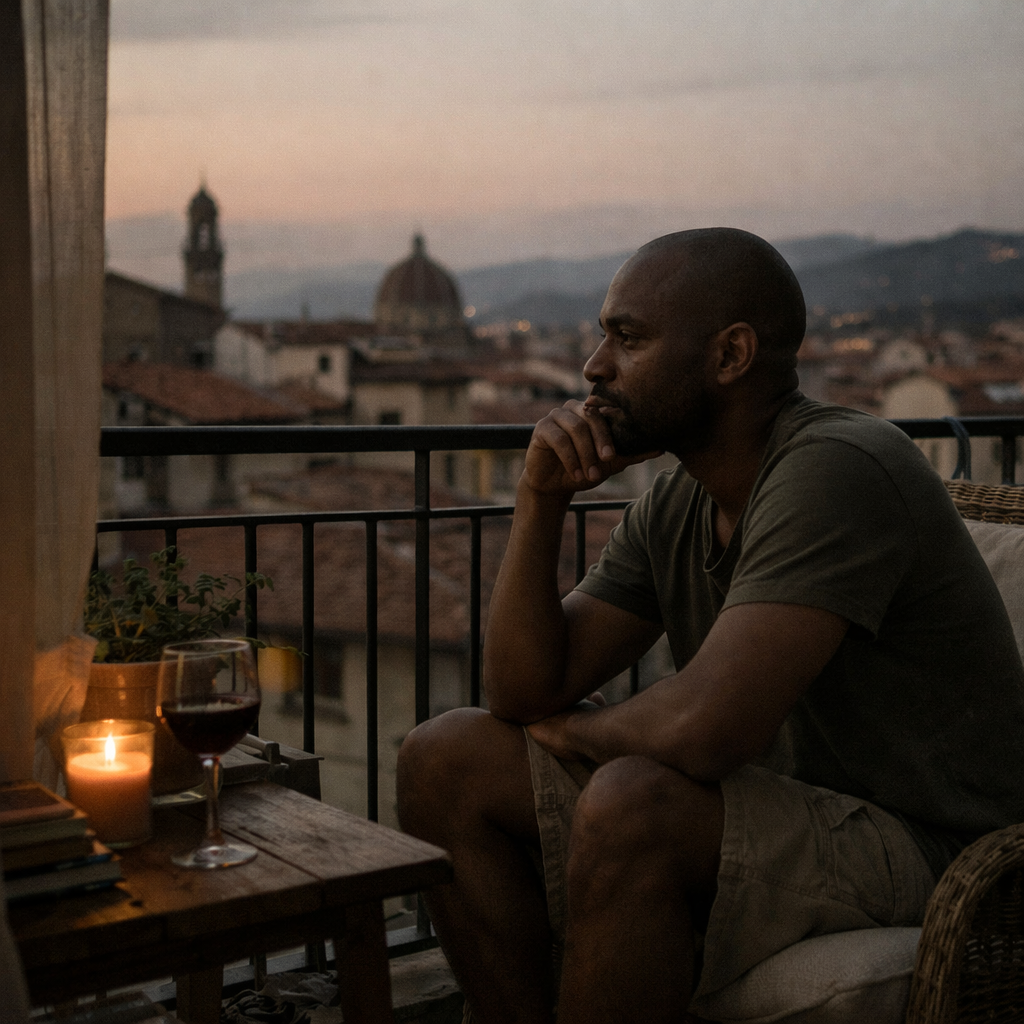
The version of expat life that circulates online is rarely alone. It's brunches, group trips, community meetups. The version that doesn't get posted is the first few months, before that community exists.
Ashley Haruna, who relocated to Ghana, has described an early stretch of real isolation living in an apartment roughly two hours north of Accra — no nearby grocery store, no one to ask basic questions like how to operate a gas stove or what to do when the water suddenly stopped running. That stretch eventually pushed her toward community-oriented housing specifically built for returnees and expats, a solution that only exists because enough people hit the same wall she did.
There's a second, quieter kind of friction that shows up later: reverse culture shock, or more precisely, a permanent sense of being between two homes. Michelle Konadu, also in Ghana, has described the feeling directly — "too American to be in Ghanaian spaces, but too Ghanaian for America" — needing family members to walk her through markets, transport, and social etiquette before she felt like she belonged in either space fully. Haruna has echoed a version of the same thing years into her relocation, noting she still describes herself as someone who moved to Ghana rather than someone who is from there. That in-between feeling isn't a sign relocation failed. It's a real, common part of what building a life across two cultures actually involves — and it deserves honest airtime, not just a highlight reel.
The Honest Truth: Some People Move Back
Here's the part almost no aspirational Blaxit content wants to sit with: not everyone stays, and that isn't a scandal. Since the surge of interest that followed Ghana's 2019 "Year of Return" campaign, a meaningful number of Black Americans who relocated have since returned to the US, split time between both countries, or shifted their plans entirely — and several have talked about it publicly rather than quietly disappearing from the narrative.
Illustrator Nicole Updegraff, for instance, moved to Ghana for a three-year assignment tied to the US Embassy between 2015 and 2018, then returned to the United States with her family afterward. She's been candid that the move still changed her permanently — describing a felt relief from the constant racial anxiety of living in America, and telling a friend the feeling was something like what she imagined white Americans feel every day — even though the arrangement itself wasn't a permanent one-way relocation. Others cite more practical reasons for returning or splitting time: aging parents back home, a business that needed hands-on management in the US, or an on-the-ground reality that simply didn't match the version they'd planned around from a distance.
None of that is a referendum on Blaxit as a concept. It's a reminder that relocation is a decision made with incomplete information, made by real people whose circumstances change — and that going back, or going both ways, is a legitimate outcome, not a failure to report.
Go Informed, Not Discouraged
This episode closes BTN's current run of Black Expat Files — a series that has taken you through the appeal of Ghana citizenship pathways, the right-of-abode conversation, and the wins that make relocation worth pursuing for so many. Every one of those earlier episodes is true. So is this one. A prospective mover who understands the residency timeline, budgets for imported goods and banking friction, prices out real international health coverage, expects an isolated stretch before community forms, and accepts that "moving back" is sometimes the right call — that person is in a completely different position than someone who books a one-way ticket off a reel.
The friction points in this episode are commonly reported patterns across real expat communities, not a reason to cancel the plan. Go in with your eyes open, your paperwork started early, your insurance sorted, and your expectations set by people who've actually lived it — not by the fifteen-second version of their life abroad.
BTN Insider Tips
Start your paperwork before you're emotionally ready to. Residency and work-permit timelines routinely run three months to over a year — start the process while you're still deciding, not after you've already given notice.
Price out international health insurance before you relocate, not after an ER visit. Confirm exactly what your coverage does and doesn't reimburse overseas, and know which hospital in your new city is the right one for your specific needs.
Budget separately for "imported" costs. Specialty foods, electronics, and certain medications carry markups and shipping delays most cost-of-living calculators don't include.
Expect an isolated stretch before community forms. It's normal, it's temporary, and it's exactly why in-person meetups and expat housing communities exist.
Talk to someone who's actually stayed three-plus years, and someone who came back. Both perspectives are true, and a relocation consultant who's worked both sides of that line can help you plan for either outcome.
Closing This Chapter
From citizenship pathways to right-of-abode status to the community-building that makes solo relocation sustainable, Black Expat Files has spent this run showing why so many Black Americans are choosing life abroad. This final episode doesn't undo any of that. It's the missing chapter that makes the rest of the series usable — the one that turns "I saw it on a reel" into "I actually planned for this." Explore the full Black Expat Files hub for every episode in the series so far.
Listen & Follow
Catch the full audio conversation on the BTN podcast, and follow Black Travel Now across social media for more honest, ground-level coverage of what relocating abroad actually looks like.