The Most Colorful Hotel on Mauritius's East Coast
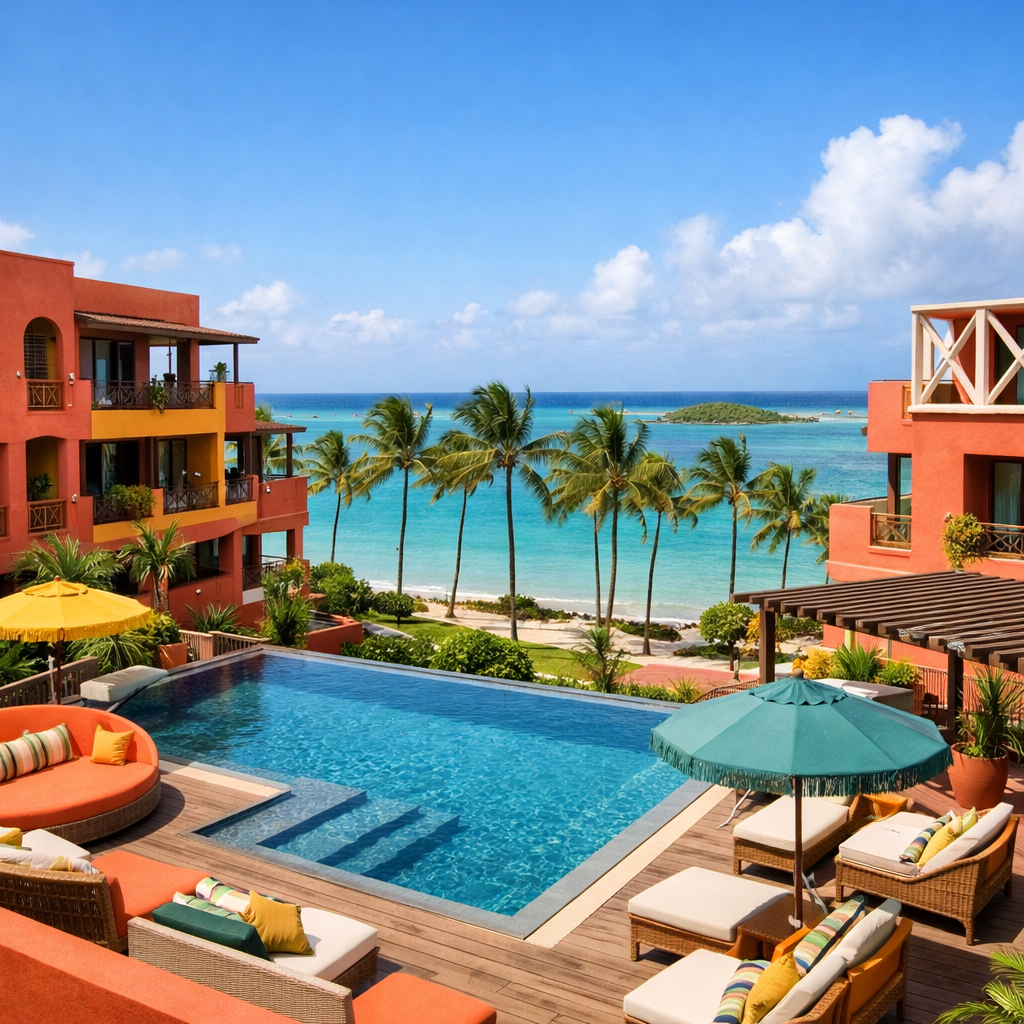
Scroll through enough Indian Ocean travel content and eventually you land on it: a wall of saturated coral and terracotta, a rooftop pool that seems to hang over a turquoise lagoon, and a design sensibility that looks nothing like the white-linen, thatched-roof resort formula that dominates Mauritius's east coast. That's SALT of Palmar, a boutique adults-only hotel in Belle Mare that has become one of the island's most talked-about properties for travelers who want their vacation to look and feel like nowhere else on the island.
SALT of Palmar carries membership in Design Hotels, the curated global collection (affiliated with Marriott) that vets properties on architecture and design merit rather than star-count alone — and it's part of The Lux Collective portfolio, the Mauritius-based hospitality group also behind several other island properties. BTN wants to be upfront about that ownership picture: SALT of Palmar is not an independently Black-owned property, though it is Mauritian-operated with deep, deliberate ties to local craftspeople and communities, which is really the whole point of what makes it different.
Design That Doesn't Look Like Anywhere Else
Where most Mauritius resorts lean into a fairly uniform playbook — whitewashed villas, dark wood, infinity pools facing the lagoon in the expected way — SALT of Palmar goes the opposite direction. Bold terracotta and coral facades, graphic tilework, mismatched vintage-inspired furniture, and gallery-style art curation give the property a lived-in, art-hotel energy that photographs like nothing else in the Belle Mare/Palmar corridor. The rooftop pool and bar sit above it all, delivering panoramic Indian Ocean views that the property itself markets as simply "the best view in the house" — sunset cocktails up there, with the lagoon fading from turquoise to gold, is the single most-requested experience among guests.
Rooms are outfitted with handmade king-size "Carpe Diem" beds, developed in consultation with physiotherapists specifically for quality sleep — a small but telling detail in a hotel that clearly obsesses over the guest experience beyond the Instagram grid.
Skill Swap: The Program That Sets SALT of Palmar Apart
The single most distinctive thing about SALT of Palmar isn't the color palette — it's Skill Swap, the hotel's hyper-local artisan exchange program. The concept is simple and genuinely unusual in luxury hospitality: guests don't just observe Mauritian culture from a poolside lounger, they trade skills directly with the islanders who practice it. Book time with Janine, a potter who has hand-thrown more than 950 pieces used throughout the resort, and learn her technique firsthand. Spend an afternoon with Natalie and Sarah making botanical, handmade soap from scratch. Learn traditional rattan basket weaving with Moosbally, or head out on the water with Kishor, a local fisherman who teaches guests traditional Mauritian fishing methods. Art sessions with Dani Volbert round out the current roster.
The swap runs both directions, too: guests with a professional skill of their own — photography, cooking, yoga, organic farming, coaching, teaching, design — can offer to share it with resort staff or the surrounding community. It's a refreshingly unpretentious model for cultural exchange, built around actual relationships with named local artisans rather than a generic "cultural evening" buffet event, and it's the reason SALT of Palmar shows up in conversations about Mauritius stays that feel genuinely connected to the island rather than sealed off from it.
Dining: The Good Kitchen
SALT of Palmar's main restaurant, The Good Kitchen, builds its menu around locally-sourced ingredients and a sustainability-first ethos — the property's own tagline for it is "good for the planet, and your tastebuds." Expect produce-forward plates that lean into Mauritian flavor rather than a generic international hotel menu, plus regular food-focused workshops tied into the broader Skill Swap spirit of learning by doing. Pair dinner with a stop at the rooftop bar beforehand for sundowners over the lagoon.
Wellness and Amenities
Salt Equilibrium, the property's spa, builds its treatments around the therapeutic properties of salt itself — a nod to both the hotel's name and Mauritius's centuries-old salt-pan heritage nearby. Beyond the spa and rooftop pool, the hotel offers direct beach access on Belle Mare's calm, shallow lagoon (one of the most swimmable stretches of coastline on the island), plus curated "Soulful Experiences" that blend wellness programming with the same local-connection philosophy that drives Skill Swap. Because the hotel is adults-only, the entire property — pool decks, beach loungers, restaurant tables — stays quiet and adult-paced, without the kids'-club energy of Mauritius's bigger family resorts.
Rates and Booking Windows
Nightly rates for entry-level rooms typically start in the neighborhood of $300, with pool-facing and beachfront categories running meaningfully higher, especially during Mauritius's peak season (roughly November through April, plus the July–August winter-sun window when European travelers flock south). As with any boutique property with a limited room count, rates and availability shift with the season and with global travel demand, so treat any published number as a starting point rather than gospel — confirm current rates and room categories directly before booking.
Best Time to Visit Mauritius
Mauritius sits in the Southern Hemisphere, which flips the calendar many travelers expect: the warm, humid summer season runs roughly November through April (with January through March bringing the highest cyclone risk, though direct hits are rare), while the cooler, drier winter runs May through October and is widely considered the most comfortable stretch for sightseeing, hiking, and diving thanks to lower humidity and calmer seas. Shoulder months — May, June, October, and November — tend to offer the best balance of good weather, lower rates, and thinner crowds, making them a smart pick for travelers with flexible dates.
Getting There and Practical Tips
Nearly all international arrivals land at Sir Seewoosagur Ramgoolam International Airport (MRU) near Plaisance, roughly a 45- to 60-minute drive to the Belle Mare/Palmar area on the island's east coast. Most guests book a private transfer or taxi in advance rather than arranging one on arrival. Mauritius's currency is the Mauritian rupee, though hotels and tour operators in this tier commonly quote in US dollars or euros; a rental car gives easy access to nearby Ile aux Cerfs and the island's northern lagoons, but many travelers are just as happy letting the resort arrange excursions given how walkable and self-contained Belle Mare's beach stretch is. Pack reef-safe sunscreen — Mauritius's lagoons are shallow and the coral is worth protecting — and bring a light layer for evenings, since the rooftop bar and beach dinners can get breezy after sunset even in the warm season.
Who This Resort Is For
SALT of Palmar is built for couples, honeymooners, and design-minded travelers who want a boutique, adults-only escape with genuine local texture rather than an all-inclusive mega-resort experience. It particularly rewards travelers who plan to actually use the Skill Swap program — those who show up wanting a passive, do-nothing beach week will still enjoy the pool and beach, but they'll be leaving the property's best feature untouched. It is not the right fit for families (no children are accepted) or travelers who prioritize an extensive amenity list and multiple dining venues over atmosphere and intimacy.
BTN Insider Tips
Book your Skill Swap session early in your stay. Availability with specific artisans like Janine or Kishor can be limited, and booking on arrival gives you the best chance at your first-choice experience.
Head to the rooftop for sunset, every time. It's the property's signature moment, and the lagoon-to-gold color shift is worth prioritizing over a sit-down dinner reservation at least one night of your stay.
Travel shoulder season if your dates are flexible. May-June and October-November deliver Mauritius's best weather-to-rate ratio, with meaningfully lower prices than the November–April peak.
Confirm rates directly before booking. As a small boutique property, published starting rates move with season and demand more than they would at a larger resort.
BTN's Verdict
SALT of Palmar earns its reputation the hard way — not just through a bold color palette that photographs beautifully, but through a genuinely distinctive philosophy of connecting guests to the island's people and craft through Skill Swap. It's a Design Hotels member and Lux Collective property (not independently Black-owned, worth knowing going in), but it's also one of the few hotels in Mauritius that treats cultural exchange as a real program rather than a marketing line. For couples and design-forward travelers looking for an adults-only Indian Ocean stay with genuine local depth, SALT of Palmar is a strong BTN recommendation — just book a Skill Swap session before you arrive, and don't skip the rooftop at sunset.