From Nine Marchers to the Nation's Largest MLK March
The San Antonio MLK March didn't start big. In 1968, days after the assassination of Dr. Martin Luther King Jr., the Reverend Raymond Aaron Callies Sr. led a small group of about nine or ten people — including his own son — on a walk through the city in King's memory. There was no stage, no city sponsorship, and no reason to think it would become anything more than a one-time act of grief and tribute.
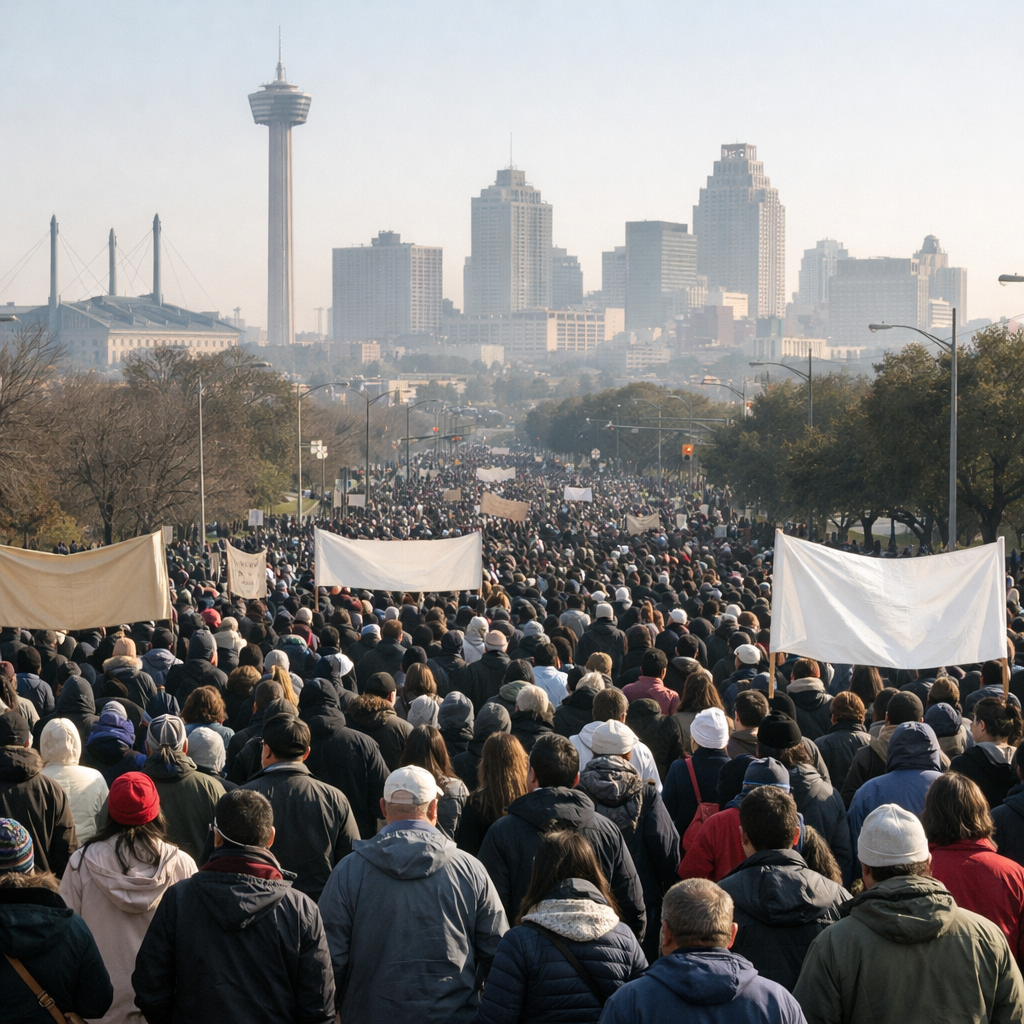
Nearly six decades later, that small walk has grown into what is widely regarded as one of the largest Martin Luther King Jr. Day marches in the country — an event that regularly draws upwards of 100,000 people, with some local estimates running into the hundreds of thousands. A pivotal turning point came in 1982, when roughly 50,000 people showed up for the unveiling of a Dr. King statue, a moment that signaled the march had outgrown its grassroots beginnings and become a citywide institution. Today it's organized with support from the City of San Antonio and a coalition of local community groups, and the January 2027 edition marks the 40th annual march under its current civic format.
Event at a Glance
- Event: San Antonio MLK March 2027 (40th annual)
- Location: San Antonio, TX — Historic East Side
- When: Monday, January 18, 2027. Lineup begins 9:00 a.m., march kicks off 10:00 a.m.
- Price: Free and open to the public
- Main Audience: Families, civic and faith groups, students, history-minded travelers, multigenerational groups
- Travel Vibe: Reflective, communal, high-energy rally — civic pride over carnival spectacle
A March, Not a Parade — and That Distinction Matters
The first thing to understand about the San Antonio MLK March is what it isn't: it isn't a parade. There are no floats, no marching bands rolling past a seated crowd, no barricades separating spectators from participants. Every single person on Martin Luther King Jr. Drive that morning is walking — grandparents, toddlers in strollers, students, sororities and fraternities, church congregations, unions, and elected officials, all moving together on foot. Motor vehicles are prohibited from the route entirely, and the course is intentionally flat and walkable, with organizers explicitly welcoming wheelchairs and other mobility devices.
The route covers just under three miles, starting at Dr. Martin Luther King Jr. Academy (3501 Martin Luther King Jr. Drive) and ending at Pittman-Sullivan Park (1101 Iowa Street). That's grown over the decades — the original 1968 walk covered roughly a mile and a half from Trinity Baptist Church, and organizers have extended and adjusted the course over the years simply because the crowds kept getting too large for the old route.
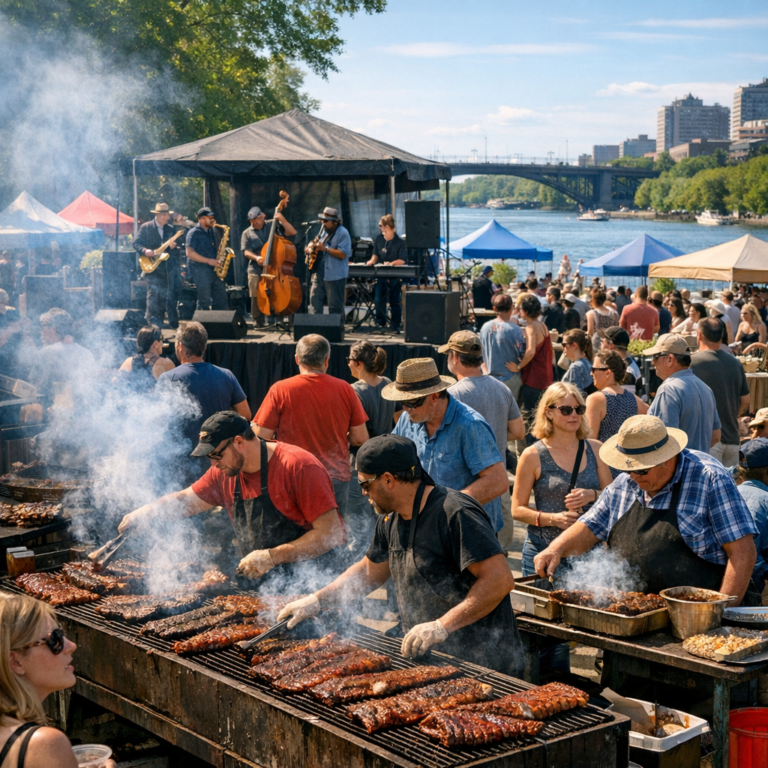
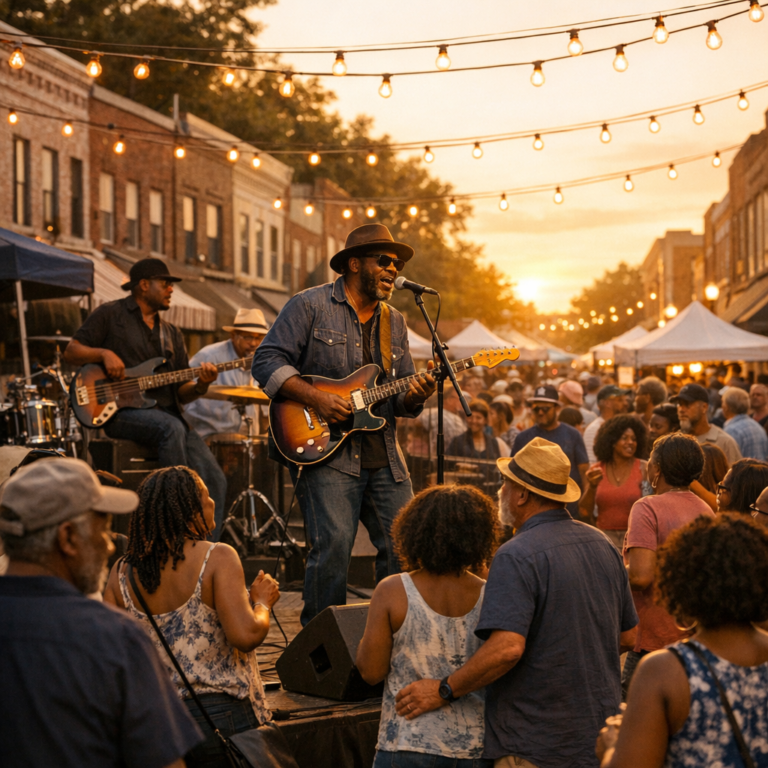
Once marchers reach Pittman-Sullivan Park, the day shifts from walk to rally. The park hosts a full program built around a main stage, live cultural performances, community and vendor booths, youth activities, and a wellness area — turning the march's endpoint into a genuine festival and civic gathering rather than a simple finish line. Recent editions have featured high-profile keynote speakers and performers; the 2026 march, for instance, featured Olympic gold medalist Gabby Douglas as a keynote speaker and a performance from Grammy-winning singer Coco Jones.
Why It's Called the Nation's Largest
San Antonio's march is consistently described by local news outlets and civic leaders as one of the largest, if not the largest, Martin Luther King Jr. Day marches in the United States — a claim rooted in its unusual growth trajectory from a handful of mourners in 1968 to six-figure crowds today. Unlike MLK Day parades in many other cities, which tend to draw thousands of spectators watching a procession, San Antonio's event asks everyone present to actually walk the route, which organizers and local officials point to as part of why it carries such civic weight: it's participatory by design, not just observational.
The Civic Significance
The march takes place through San Antonio's Historic East Side, a neighborhood with deep roots in the city's Black community, and its scale has made it a fixture of how San Antonio marks Dr. King's legacy each year. Local officials, including the Bexar County Sheriff's Office, have noted that participation continues to grow year over year, and the event is treated less as a commemorative afterthought and more as one of the city's defining annual civic moments — alongside fireworks over the Riverwalk or Fiesta in the spring. For visitors, it's a rare chance to take part in a piece of American civil rights history that's still actively being written, not just displayed behind museum glass.
Visiting San Antonio in January: What to Know
January is one of the most pleasant times to visit San Antonio if you don't mind a bit of chill. Daytime highs typically sit in the 60s Fahrenheit, with march-morning temperatures often cooler — layers, a light jacket, and comfortable walking shoes are essential since you'll be on your feet and moving for close to three miles. Mornings can be crisp, so dress for the 9 a.m. lineup rather than the afternoon high.
Because the entire route is closed to vehicle traffic, plan to arrive early and expect street closures across the East Side corridor through midday. Ride-share drop-off near the start point, or parking farther out and walking or using local transit to the staging area, tends to work better than trying to drive close to Pittman-Sullivan Park itself. Bring water, sun protection even in January (Texas sun doesn't fully disappear in winter), and cash for vendor booths at the post-march rally.
Beyond the march itself, January is a low-season month for San Antonio tourism, which means better hotel rates and thinner crowds at attractions like the Alamo, the Riverwalk, and the missions — all still fully open and worth combining with your MLK weekend trip.
🏨 Book San Antonio Hotels →Getting There
San Antonio International Airport (SAT) offers direct flights from most major U.S. hub cities and sits about 15–20 minutes from downtown and the Historic East Side. Book flights and hotels early for the MLK weekend — while January is generally a slower travel month for San Antonio, hotel rooms near downtown can tighten up as march attendance and local awareness continue to grow each year.
Who This Event Is For
The San Antonio MLK March is a fit for travelers who want more than a sightseeing weekend — multigenerational families looking to connect kids with civil rights history in a hands-on way, faith and civic groups, HBCU alumni chapters, and any Black traveler who wants to stand shoulder-to-shoulder with tens of thousands of others honoring Dr. King's legacy rather than watching from the sidelines.
BTN Insider Tips
Arrive by 8:30 a.m. Lineup starts at 9 and the march itself kicks off at 10 — get there early to find your group and avoid the thickest crowds at the staging area.
Wear real walking shoes. Just under three miles on pavement is manageable for most fitness levels, but flip-flops or dress shoes will make it a long morning.
Stay for the rally. Pittman-Sullivan Park's post-march program — main stage, performances, vendors, youth activities — is where the day really opens up, so don't peel off right after the walk ends.
Layer up, then shed layers. January mornings in San Antonio can be genuinely cold at 9 a.m. and comfortably mild by midday.
Plan Your Trip
The San Antonio MLK March is proof that a small act of remembrance can grow into one of the country's great civic gatherings. Book your flight, pack walking shoes, and plan to spend Martin Luther King Jr. Day 2027 on your feet in San Antonio's Historic East Side.
🎗️ Festival Details →✈️ Book Your San Antonio Trip →*Some links on this page are affiliate links — Black Travel Now may earn a commission at no extra cost to you.