A Neighborhood That Refused to Be Forgotten
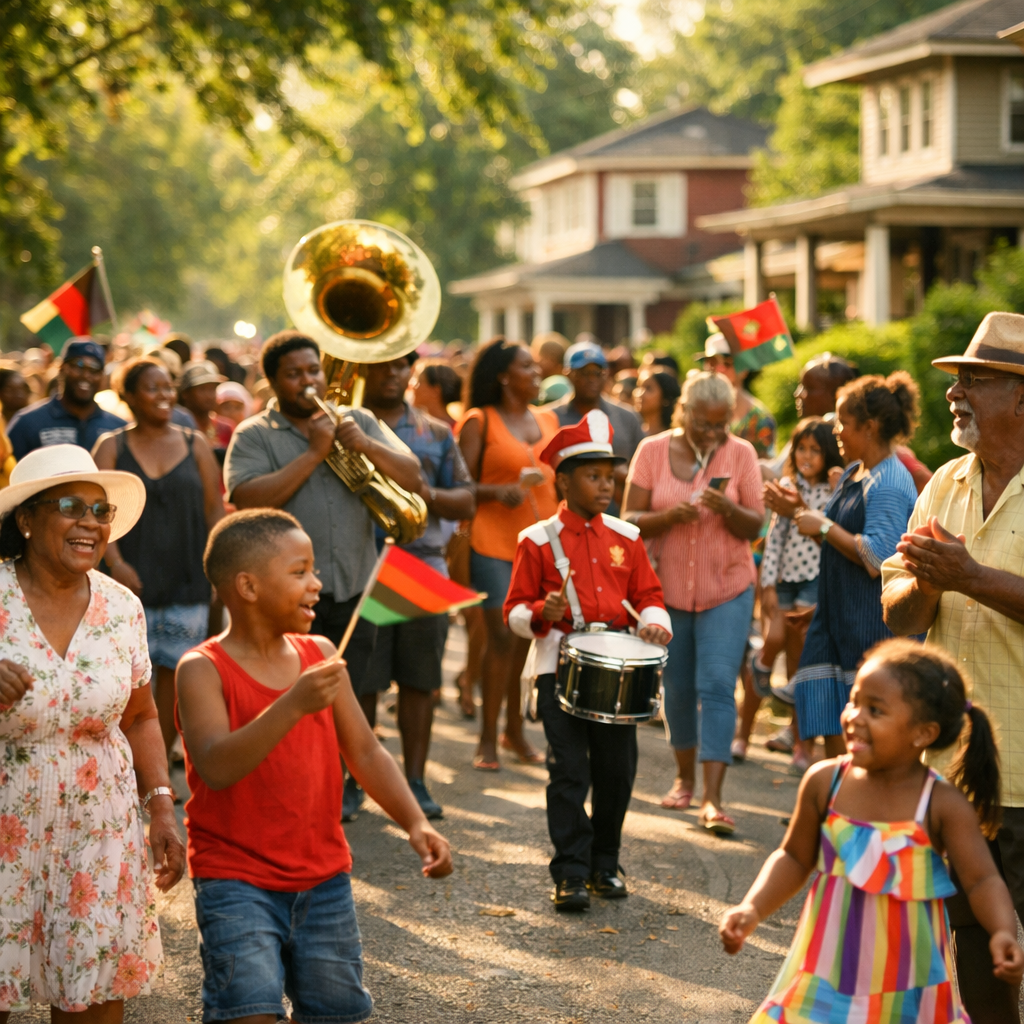
Every mid-July, a stretch of St. Paul, Minnesota fills with drumlines, church-supper smells, lawn chairs, and generations of family reunions happening all at once. Rondo Days looks, on the surface, like any great American neighborhood festival — a parade, a stage, kids chasing each other between food tents. But it exists for a reason most festivals never have to carry: the neighborhood it celebrates was, in large part, physically destroyed. Rondo Days is Minnesota's largest African-American-sponsored event, and it is also an act of memory — a yearly insistence that the community bulldozed for a highway in the 1960s is still here, still connected, and still worth celebrating.
Event at a Glance
- Event: Rondo Days Festival (2027 Edition — Date TBA)
- Location: Historic Rondo neighborhood, St. Paul, Minnesota
- When: Held annually on a mid-July weekend. The most recently confirmed edition took place Saturday, July 18, 2026. As of this writing, Rondo Avenue Inc. has not yet published official 2027 dates — bookmark this guide and check rondodays.net closer to next summer.
- Price: Free admission
- Main Audience: Black heritage travelers, Twin Cities visitors, families, history-minded road-trippers
- Travel Vibe: Hometown parade energy, community pride, remembrance woven into celebration
The Heart of Black St. Paul
The Rondo neighborhood takes its name from Joseph Rondeau, a Hudson's Bay Company voyageur who settled near what is now downtown St. Paul in the late 1860s. After a streetcar line went in along University Avenue around 1890, the area drew waves of working-class families, including German Lutherans, Irish Catholics, and Eastern European Jewish households, alongside Black migrants arriving from the South. Over the following decades, Rondo grew into a community defined by something increasingly rare for Black families in early-20th-century America: real, sustained homeownership.
By the mid-20th century, Rondo had become the backbone of St. Paul's Black community. It supported its own newspapers, including the St. Paul Echo and the Minnesota Spokesman-Recorder, and it was home to an NAACP chapter, an Urban League office, and the Hallie Q. Brown Community Center — an institutional network that gave the neighborhood a level of self-sufficiency and civic voice unusual for a Black community in the Upper Midwest. Rondo also produced people whose names carried far beyond St. Paul, including civil rights leader Roy Wilkins and Baseball Hall of Famer Dave Winfield.
The Highway That Cut Through a Community
Between 1956 and 1968, federal highway money made available by the Federal Aid Highway Act paid for a new stretch of Interstate 94 connecting St. Paul and Minneapolis. Planners had alternatives, including routes following already-existing, abandoned rail corridors. Instead, the route chosen ran directly through the core of Rondo, the city's majority-Black neighborhood. Construction displaced at least 650 families, along with the churches, businesses, and community institutions that had anchored Rondo for generations. Some residents who resisted relocation faced official pressure, including documented use of force against holdouts. The highway didn't just remove houses — it severed the streets and social networks that had made Rondo function as a community, scattering families across other parts of the Twin Cities and permanently fracturing what had been one of the most cohesive Black neighborhoods in Minnesota.
From Loss to Legacy: The Founding of Rondo Days
Nearly two decades after the highway split the neighborhood, community leaders Marvin Roger Anderson and Floyd G. Smaller founded Rondo Avenue Inc. in 1982 specifically to preserve Rondo's history and keep its displaced community connected. The organization launched the first Rondo Days celebration in 1983. What began as a modest parade and senior supper has grown into a full weekend festival and, per organizers, Minnesota's largest African-American-sponsored event — drawing former Rondo residents and their descendants back to the neighborhood every summer, alongside new generations of Twin Cities visitors who may never have known the highway erased a neighborhood at all.
What to Expect at the Festival
Rondo Days centers on a community parade through the historic neighborhood, along with the kind of programming that keeps a heritage festival feeling like a family reunion rather than a static memorial: live music, community suppers, vendor booths, and family and youth activities. One of its signature draws is the Northern Lights Drill and Drum International competition, which brings youth and adult drill teams from around the country to perform — a direct, joyful continuation of the marching-band and drill-team traditions that were part of Rondo's civic life before I-94 came through. Because Rondo Days is organized by Rondo Avenue Inc. as a community-preservation event rather than a commercial festival, admission is free, and the atmosphere leans toward multigenerational: strollers and lawn chairs, elders who remember the old neighborhood swapping stories with grandchildren who are hearing it for the first time.
Remembrance as Celebration
What sets Rondo Days apart from a typical summer street festival is what it's quietly doing underneath the music and food: keeping alive the memory of a Black neighborhood that a highway was routed through by design, not accident. Every parade route, every drill team performance, every plate of food served is also a statement that the community survived the decision to erase it. For visitors, that context changes what the festival is — not just a fun weekend event, but a chance to stand in a place where American infrastructure policy and Black community history collided, and to see how that community answered by choosing joy, gathering, and remembrance over disappearance.
Planning Your Visit to St. Paul and the Twin Cities
St. Paul pairs easily with a Minneapolis stay, since the two downtowns sit roughly 10-15 minutes apart by car or light rail. Minneapolis-St. Paul International Airport (MSP) is the main gateway, with direct flights from most major U.S. hubs, and the METRO light rail runs from the airport into both downtowns, making a car optional if you're staying centrally. Mid-July in Minnesota means warm, humid summer weather — pack for heat, sudden thunderstorms, and a full day on your feet along the parade route. Since Rondo Days is a free, community-rooted event rather than a ticketed festival, there's no need to book tickets months out, but hotel rooms in the Twin Cities do fill up faster during peak summer festival season, so securing a place to stay early is still worth doing.
🏨 Book St. Paul / Twin Cities Hotels →Why This History Matters for Black Travelers
Rondo is part of a pattern repeated in Black neighborhoods across the country — thriving communities cut through or razed for "urban renewal" and interstate construction in the mid-20th century. Visiting Rondo Days is a way to engage with that history in person rather than only in a textbook: to walk streets that were once whole, hear from a community that organized to remember rather than let the highway have the last word, and support a Black-led nonprofit still doing that preservation work today. For Black travelers building itineraries around heritage and history rather than just beaches and hotels, Rondo Days belongs on the list alongside stops like Tulsa's Greenwood District or Atlanta's Sweet Auburn — a place where the story of a neighborhood's loss and its community's resilience is told every summer, out loud, in public.
BTN Insider Tips
Bookmark rondodays.net and check back in spring. Rondo Avenue Inc. had not published 2027 festival dates as of this writing — the festival reliably lands on a mid-July weekend, so plan a flexible summer trip and confirm exact dates closer to the season.
Arrive early for the parade. Good curbside viewing spots along the route fill up, especially with families staking out shade.
Pair it with Twin Cities Black heritage sites. Consider building in time for the Hallie Q. Brown Community Center and other Rondo-area landmarks tied to the neighborhood's history.
Dress for Minnesota summer. Expect heat and humidity, with a real chance of a passing thunderstorm — light clothing, sun protection, and a compact umbrella all earn their place in your bag.
Plan Your Trip
Rondo Days is proof that a community can lose its streets and still keep its story. Bookmark this guide, watch rondodays.net for the official 2027 announcement, and start sketching out a Twin Cities trip built around one of the country's most meaningful — and most joyful — heritage festivals.
🎟️ Festival Details → ✈️ Book Your Twin Cities Trip →*Some links on this page are affiliate links — BTN may earn a commission at no extra cost to you.