The World's Largest Jazz Festival Takes Over Montreal
Every summer, downtown Montreal transforms into a music lover's playground when the Festival International de Jazz de Montréal — known in English as the Montreal International Jazz Festival — takes over the city's Quartier des Spectacles. Since it holds the 2004 Guinness World Record as the world's largest jazz festival, this isn't hyperbole: it's an official title. For Black American travelers looking for a "passport required" trip that combines world-class live music, walkable European-flavored charm, and an easy direct flight from most major U.S. cities, this festival belongs at the top of the list.
Event at a Glance
- Event: Montreal International Jazz Festival 2027
- Location: Quartier des Spectacles, downtown Montreal, QC, Canada
- When: June 25 – July 4, 2027
- Price: Free outdoor concerts; ticketed indoor shows vary by artist and venue
- Main Audience: Jazz, blues, and soul fans, live music lovers, first-time international travelers, culture-seekers
- Travel Vibe: Cosmopolitan, walkable, francophone, music-soaked
From a Scrapped 1979 Concert Series to a Global Phenomenon
The festival's origin story starts with a near-miss. Montreal promoters Alain Simard and André Ménard had planned a full jazz festival for 1979, but funding fell through. Instead of scrapping the idea entirely, they staged two showcase concerts featuring Keith Jarrett and Pat Metheny — enough of a proof of concept to secure backing for the real launch. On May 10, 1980, the inaugural Festival International de Jazz de Montréal opened its doors with support from CBC Stereo and Radio-Québec, drawing roughly 12,000 attendees for a lineup that included Ray Charles, Chick Corea, Gary Burton, and Montreal bandleader Vic Vogel.
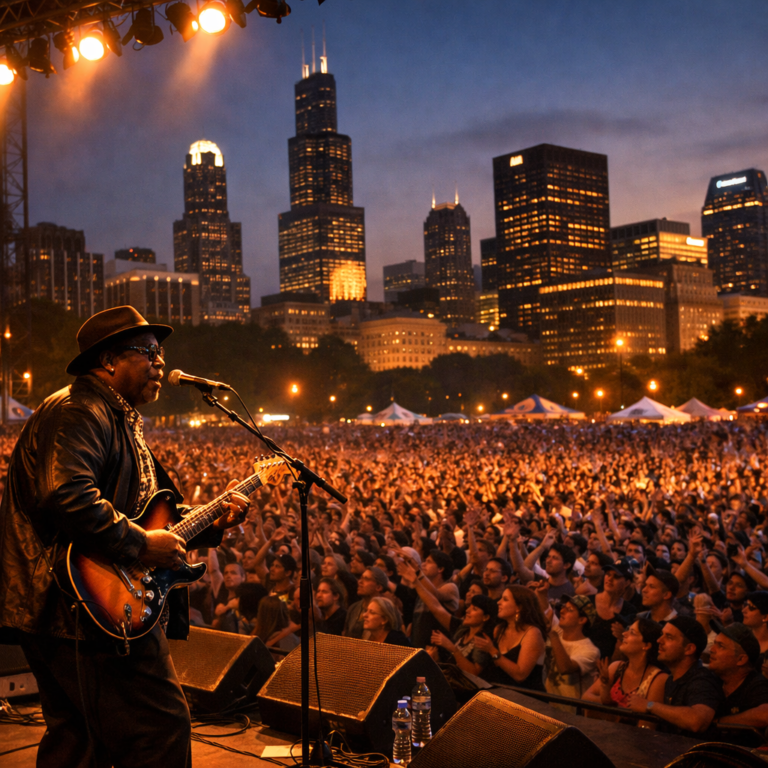
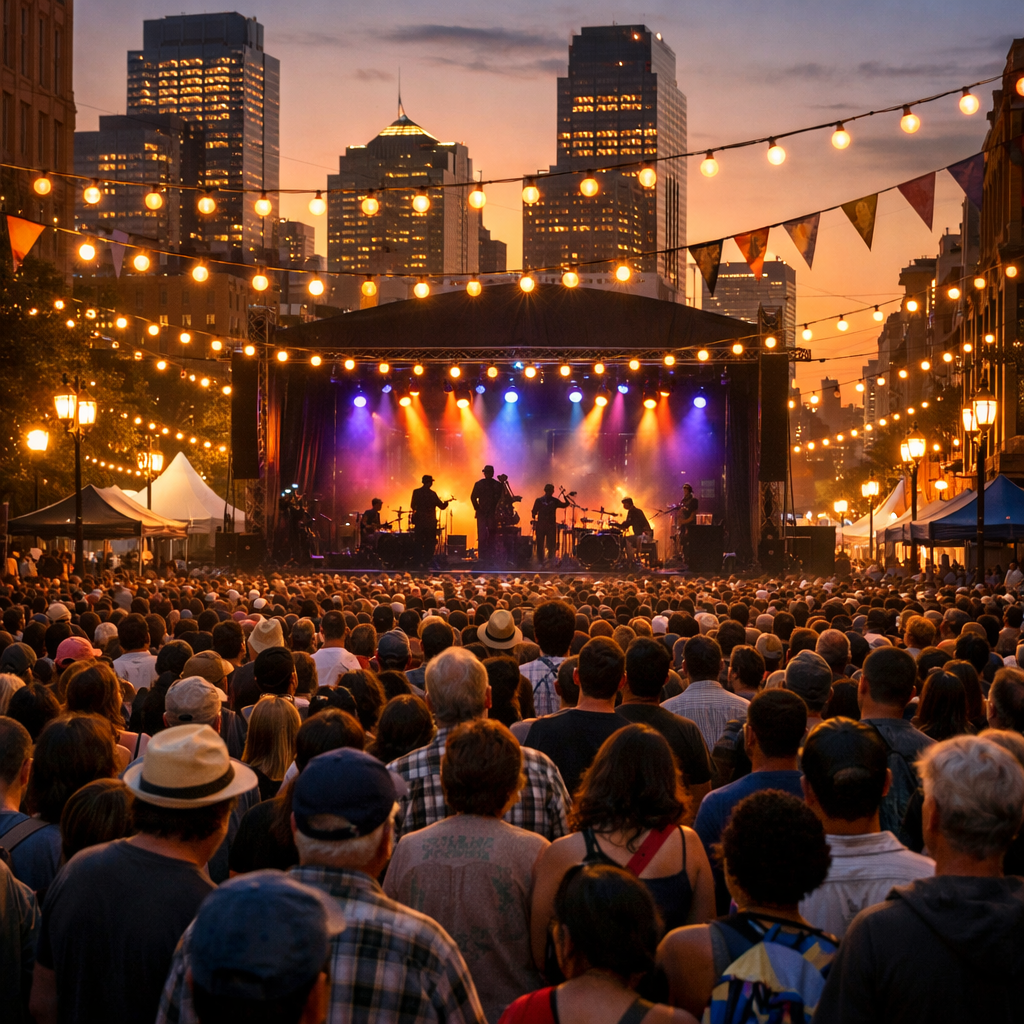
Fast forward more than four decades, and that modest first edition has grown into a 10-day citywide takeover. The festival now hosts roughly 3,000 artists from more than 30 countries across over 650 concerts, spread across around 20 stages in and around the Quartier des Spectacles. In 2023, total attendance across the festival's run reached an estimated 2 million people, and the festival's biggest free outdoor "Big Event" concerts alone have drawn crowds between 100,000 and 150,000 — sometimes topping 200,000 for a single headline show. That scale is exactly why Guinness World Records recognized it as the largest jazz festival on the planet.
A Stage Where Black Musical Legends Made History
Black artists have been central to this festival's DNA since day one. Ray Charles headlined the very first edition in 1980, and Miles Davis used the festival's stages to record material that ended up on his 1984 album Decoy, including the tracks "What It Is" and "That's What Happened." Stevie Wonder has also graced the festival's stages over the years. In 1989, bassist Charlie Haden recorded his acclaimed Montreal Tapes series live at the festival, a run of collaborations that included Don Cherry, Ed Blackwell, Geri Allen, and Gonzalo Rubalcaba. Even before the official festival launched, the same organizing team — through their earlier venture Productions Kosmos — had already been bringing blues and rock-and-roll pioneers like Chuck Berry, Bo Diddley, John Lee Hooker, and Muddy Waters to Montreal audiences in the 1970s, laying the groundwork for the city's deep relationship with Black American musical traditions. That throughline, from Delta blues to bebop to soul, is still audible in the festival's programming today.
What to Expect: Free Stages Meet Headline Shows
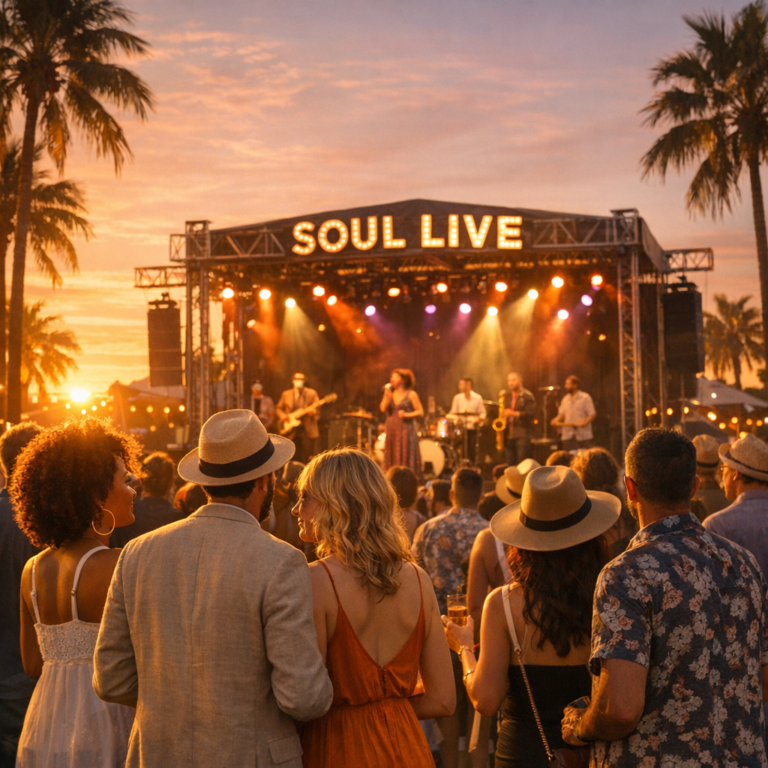
What makes this festival so accessible — and such a great value pick for a first international trip — is its two-tier structure. The heart of the festival is its free outdoor programming: roughly 450 free performances spread across open-air stages threaded through the pedestrianized Quartier des Spectacles. You can wander from stage to stage all afternoon and evening without spending a dime on tickets, catching everything from big band swing to Afro-Cuban jazz to local Quebec acts. Layered on top of that free ecosystem are the festival's ticketed indoor concerts, held in venues like Place des Arts, where marquee headliners perform in a more intimate concert-hall setting. The smart play for most travelers is to build a trip around a few splurge-worthy ticketed shows while filling the rest of your days and nights with the free outdoor circuit — you'll likely hear more incredible music for free here than you would paying full price at most festivals.
Passport Required: Practical Tips for Black American Travelers
Montreal is an international destination, and that means real trip-planning steps most domestic festival trips don't require:
Passport is a must. U.S. citizens do not need a visa for tourist stays under 180 days, but a valid U.S. passport is required to fly into Canada and, importantly, to fly back into the United States afterward — a passport card alone will not work for air travel, so make sure your passport book is current well before you book flights.
Currency and cards. Canada uses the Canadian dollar (CAD), a separate currency from the U.S. dollar, so budget for the exchange rate and consider a no-foreign-transaction-fee card. Cards are widely accepted throughout Montreal, but it's smart to carry a little cash for smaller vendors and food trucks around the festival grounds.
Language. French is Montreal's official language and the first language of roughly half the city's residents, but English is spoken widely, especially downtown and in tourist-facing spots — you won't have trouble getting around, though a few French pleasantries ("bonjour," "merci") go a long way.
Getting around. The Montreal Metro subway system, along with STM buses, makes the city easy to navigate without a car, and the festival's Quartier des Spectacles hub is centrally located and highly walkable once you arrive — a rental car is not necessary for this trip.
Who This Festival Is For
Jazz, blues, and soul purists who want to see the genre's living history celebrated on a massive scale; first-time international travelers looking for a lower-friction entry point into overseas travel (no long-haul flight, no complicated visa); and anyone building out a "passport required" travel bucket list who wants world-class music alongside croissants, cobblestones, and a francophone big-city experience just a short flight from most major U.S. hubs.
BTN Insider Tips
Book flights and hotels early. Late June into the July 4th holiday week is peak summer travel season, and hotel inventory in and around downtown Montreal tightens fast once festival dates are locked in.
Prioritize your ticketed shows first. Headline indoor concerts sell out, so lock in the artists you can't miss before building the rest of your schedule around the free outdoor stages.
Pack for shoulder-season swings. Late June and early July in Montreal can swing from warm, humid afternoons to cool evenings, so layers are your friend for long days on your feet at outdoor stages.
Check your passport expiration now. Don't wait until a week before your flight — passport processing times can be unpredictable, and a valid passport book is non-negotiable for this trip.
🎷 Book Montreal Flights & Hotels →Plan Your Trip
The Montreal International Jazz Festival is proof that the biggest music festival in the world can also be one of the most welcoming and affordable — hundreds of free concerts, a walkable international city, and a lineup steeped in Black musical history from Ray Charles to Miles Davis. Grab your passport, book your stay, and let Montreal's streets fill with music around you.
🎟️ Festival Details →✈️ Book Your Montreal Trip →*Some links on this page are affiliate links — Black Travel Now may earn a commission at no extra cost to you.