Where African American and Caribbean Legacies Fill Charleston's Historic Streets
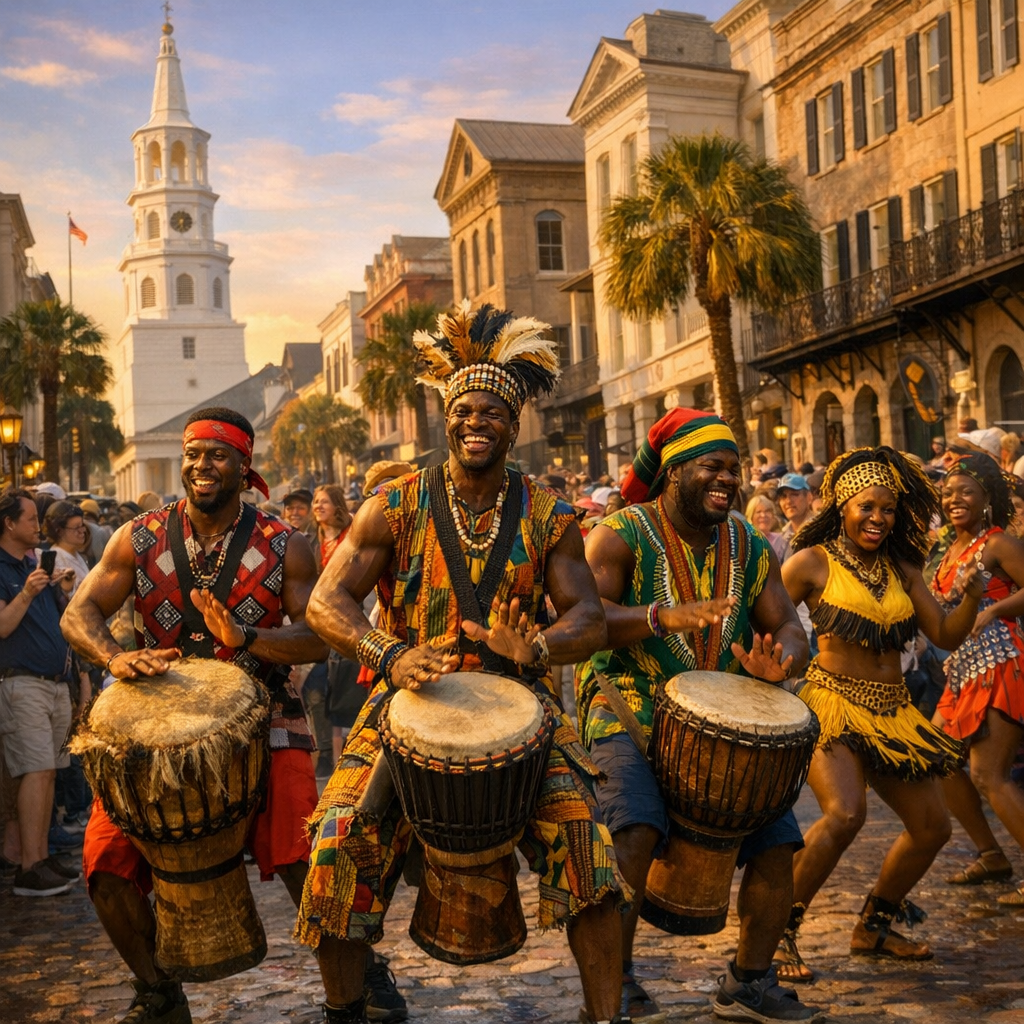
Charleston's cobblestones and church steeples carry centuries of history — much of it written by the enslaved and free Black artisans, dockworkers, and craftspeople who built the city. Every fall, the MOJA Arts Festival reclaims those same downtown blocks for eleven days of drumming, dance, theater, and visual art rooted in African American and Caribbean heritage. It's Charleston's answer to the question of who gets to define Lowcountry culture — and the answer, for MOJA, has always been the descendants of the people who built it.
Event at a Glance
- Event: MOJA Arts Festival 2026
- Location: Downtown Charleston, South Carolina — Marion Square, King Street, Dock Street Theatre, Charleston Gaillard Center, Cannon Street Arts Center, Hampton Park, and other historic venues
- When: September 24 – October 4, 2026 (11 days)
- Price: Most events are free; ticketed theater and dance performances from $10-$25
- Main Audience: Culture travelers, art and theater lovers, diaspora heritage travelers, families
- Travel Vibe: Historic, artistic, multi-generational, community-rooted
A Festival Born From a Renaming — and Over 40 Years of Momentum
MOJA's roots go back to 1979, when the City of Charleston launched the "Black Arts Festival" to spotlight Black artists in a city whose tourism marketing rarely did. In 1984, the festival was rebranded MOJA — Swahili for "one" or "unity" — to reflect its broader mission of celebrating the shared, intertwined legacies of African American and Caribbean culture. More than four decades later, it's produced by the City of Charleston Office of Cultural Affairs in partnership with the all-volunteer MOJA Planning Committee, and it draws an estimated 60,000 visitors across its run.
The mission hasn't changed: MOJA exists as "an annual celebration of Black arts and culture and the related artistic contributions to the world, especially through African American and Caribbean legacies." That's a wide mandate, and MOJA leans into it — this is one of the most disciplinarily diverse festivals in the Black travel circuit, spanning visual art, classical and gospel music, jazz, R&B, dance, poetry, storytelling, theater, traditional crafts, and Lowcountry foodways under one banner.
What Actually Happens: Parades, Galleries, Dance, and Theater
MOJA opens with its signature street parade, marching from Marion Square down through downtown toward East Bay and the historic City Market, drummers and costumed performers turning King Street into a procession before the opening reception at the Cannon Street Arts Center. From there, the 11 days fan out across the peninsula:
- Visual art: A juried exhibition draws around 40 exhibitors competing for prize money, alongside dozens of pop-up gallery shows and craft vendors in historic venues and community spaces.
- Dance: Marquee dance programming has featured companies like Step Afrika! at the Charleston Gaillard Center, the city's premier performing arts venue, blending percussive stepping with West African and Caribbean movement traditions.
- Theater: The historic Dock Street Theatre — America's oldest theater building — regularly hosts MOJA productions from companies like PURE Theatre and the College of Charleston, alongside poetry readings and storytelling sessions.
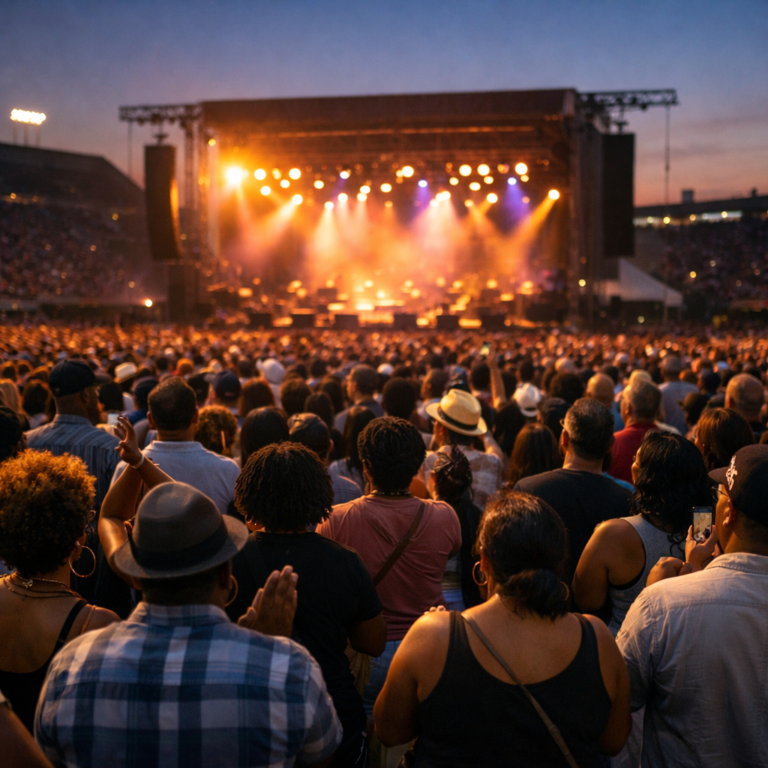
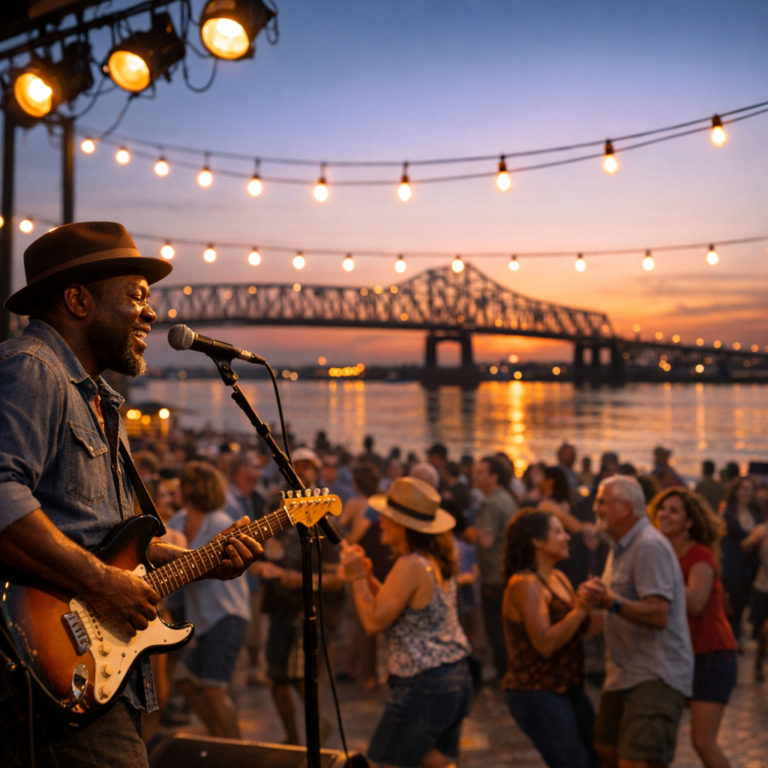
- Music and free block events: Reggae block dances, downtown block parties, and free concerts (roughly 15 food booths keep everyone fed) run throughout the festival, building to a free finale concert at Hampton Park.
Additional programming touches Burke High School, Brittlebank Park, and community centers across the city, with school workshops and senior outreach woven into the fall calendar — MOJA has always treated arts education as part of its core mission, not an afterthought.
Where to Stay in Charleston
Staying downtown, within walking distance of King Street and the historic district, puts you closest to the parade route, Dock Street Theatre, and the Gaillard Center — ideal if you want to bounce between events without driving or parking downtown during a packed festival week. The Upper King/Cannon Street corridor is especially convenient given its proximity to the Cannon Street Arts Center and Hampton Park finale grounds. If downtown rates run high during festival week, Mount Pleasant across the Ravenel Bridge offers a quieter, often more affordable base with an easy commute back into the peninsula.
🏨 Book Charleston Hotels →Getting There
Charleston International Airport (CHS) sits about 12 miles from downtown and offers direct flights from most major East Coast hubs plus a growing list of nonstops from farther afield. Late September through early October is shoulder season in Charleston — expect warm, humid days easing into cooler evenings, and keep an eye on the tail end of Atlantic hurricane season when booking. Once downtown, MOJA's core venues are walkable or a short rideshare apart, so a rental car isn't essential unless you're basing yourself outside the peninsula.
Who This Festival Is For
MOJA rewards travelers who want substance with their celebration — theater and jazz fans, visual art collectors browsing a juried show, dance lovers chasing a Step Afrika!-caliber performance, and families looking for free, culturally rich programming alongside the ticketed marquee events. It's less a party-first festival than Crop Over or Carnival, and more a citywide arts season for anyone who wants Charleston's Black history told through the people still making culture there today.
BTN Insider Tips
Get tickets to Dock Street Theatre and Gaillard Center shows early — these venues are historic and intimate, meaning marquee dance and theater performances sell out fast.
Catch the opening parade if you only build your trip around one signature moment — it's free, high-energy, and sets the tone for the whole festival.
Don't skip the free events — the block parties, Hampton Park finale, and community programming are where a lot of MOJA's local flavor actually lives.
Pack for shifting weather — late-September Charleston can swing from muggy afternoons to genuinely cool evenings, and a stray tropical system is always possible this time of year.
Plan Your Trip
MOJA is proof that a festival can be joyful and substantive at once — eleven days of parades, galleries, dance, and theater built on more than four decades of celebrating African American and Caribbean legacies in one of the country's most historic cities. Lock in your dates, grab tickets to a marquee show or two, and let Charleston's Black arts community show you around.
🎟️ Festival Details →✈️ Book Your Charleston Trip →*Some links on this page are affiliate links — BTN may earn a commission at no extra cost to you.