Forty years of art, music, and community — set against the Rocky Mountains, right in the heart of Denver.
Introduction
Some festivals are built around a headliner. The Colorado Black Arts Festival is built around a community — and after nearly four decades, that community fills an entire corner of Denver's City Park for a full summer weekend. Since 1986, the Colorado Celebration of African American Arts and Culture has used this festival to spotlight Black artists, musicians, chefs, and makers from across the Rocky Mountain region and beyond, with the Denver skyline on one side and snow-capped peaks on the other. In 2026, the festival marked its 40th anniversary under the theme "Through Our Eyes," and it remains one of the longest continuously running African American arts festivals in the country — proof that this celebration is now a Denver institution, not just an annual event.
Event at a Glance
- Event: Colorado Black Arts Festival (presented by the Colorado Celebration of African American Arts and Culture)
- City & Venue: City Park (City Park West), Denver, CO 80206
- 2027 Dates: To be officially announced — the festival has run the second full weekend of July every year for nearly 40 years; based on that pattern, expect a Friday–Sunday window around July 9–11, 2027 (confirm on the official site closer to the date)
- Admission: Free and open to the public
- Best For: Families, art lovers, live music fans, first-time Denver visitors, and anyone who wants a Black cultural festival with mountain views
- Vibe: Laid-back, family-friendly, community-first — lawn chairs and blankets, not VIP ropes
- Signature Elements: 80+ Black artists and vendors, three live music stages, the Boogaloo Celebration Parade, and a Children's Pavilion
- Recommended Trip Length: 2–3 days
- Website: colbaf.org
Nearly 40 Years of Black Art, Music, and Community
The Colorado Black Arts Festival traces back to the mid-1980s, when a small group of Denver organizers set out to create a dedicated space for African American arts and culture in a state where the Black population is relatively small but deeply rooted. What started as a modest community gathering has grown into a three-day, three-stage production that draws artists, musicians, and families from across Colorado and neighboring states. The festival's 40th anniversary in July 2026 leaned into that history with the theme "Through Our Eyes," celebrating how the African diaspora sees and shapes the world — a fitting milestone for an event that has quietly become one of the most consistent, longest-running Black cultural institutions in the Mountain West. Unlike festivals that rebrand or relocate every few years, the Colorado Black Arts Festival has stayed anchored to City Park and to its founding mission: free, accessible, community-funded celebration of Black creativity.
Why This Festival Matters
Denver isn't the first city people think of for Black culture, which is exactly why this festival matters. It carves out a visible, joyful, unapologetically Black space in a city and a state where that representation isn't a given — and it does it for free, funded by community donations, corporate sponsorships, and cultural grantors rather than ticket sales. That funding model keeps the event genuinely accessible: no cover charge, no VIP tier required to see the main stages, just a park full of art, food, and music. For Black travelers building a trip around culture rather than nightlife or theme parks, it's a rare chance to experience the Rocky Mountains and Black community pride in the same afternoon.
What to Expect at the Festival
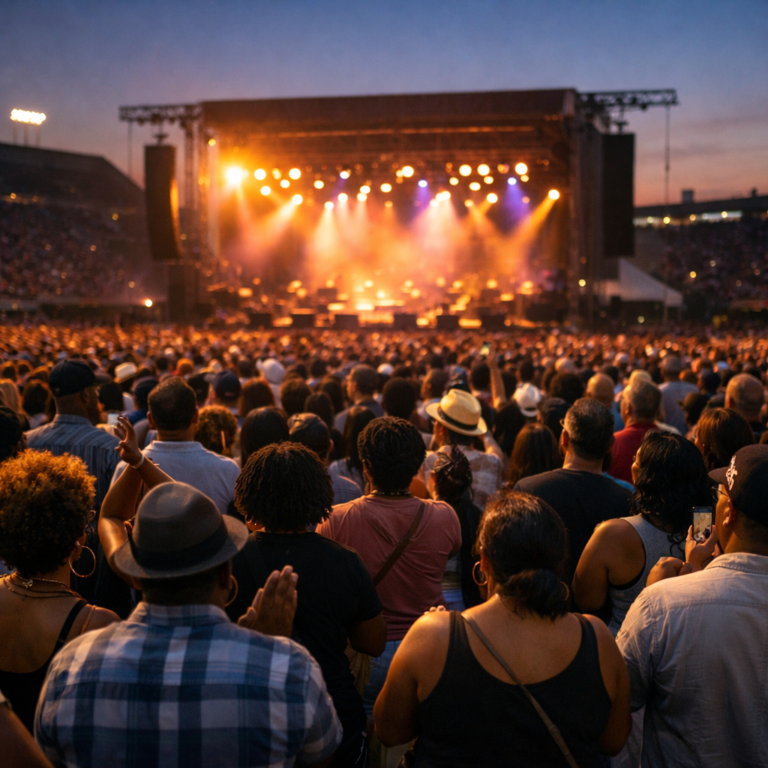
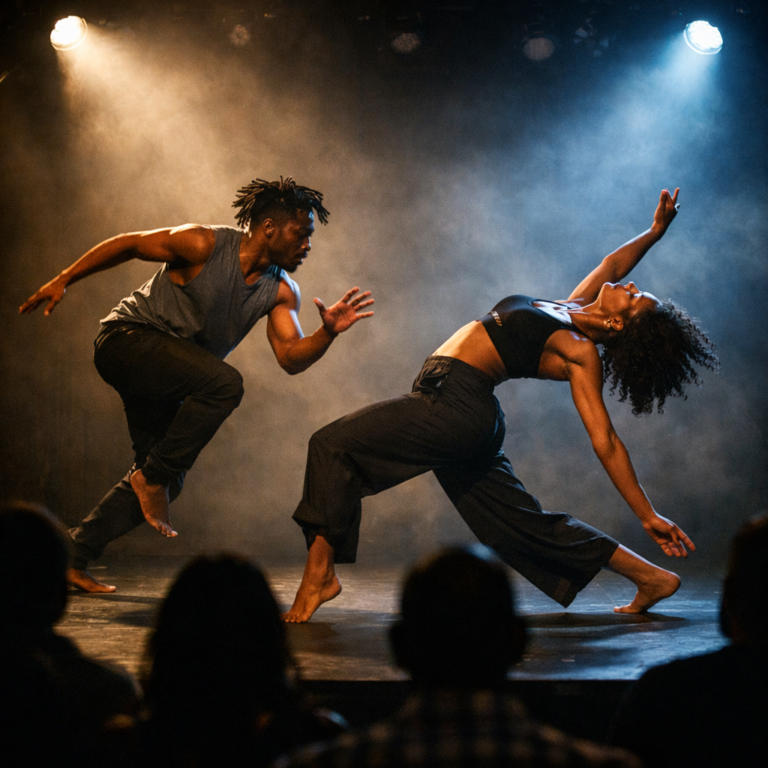
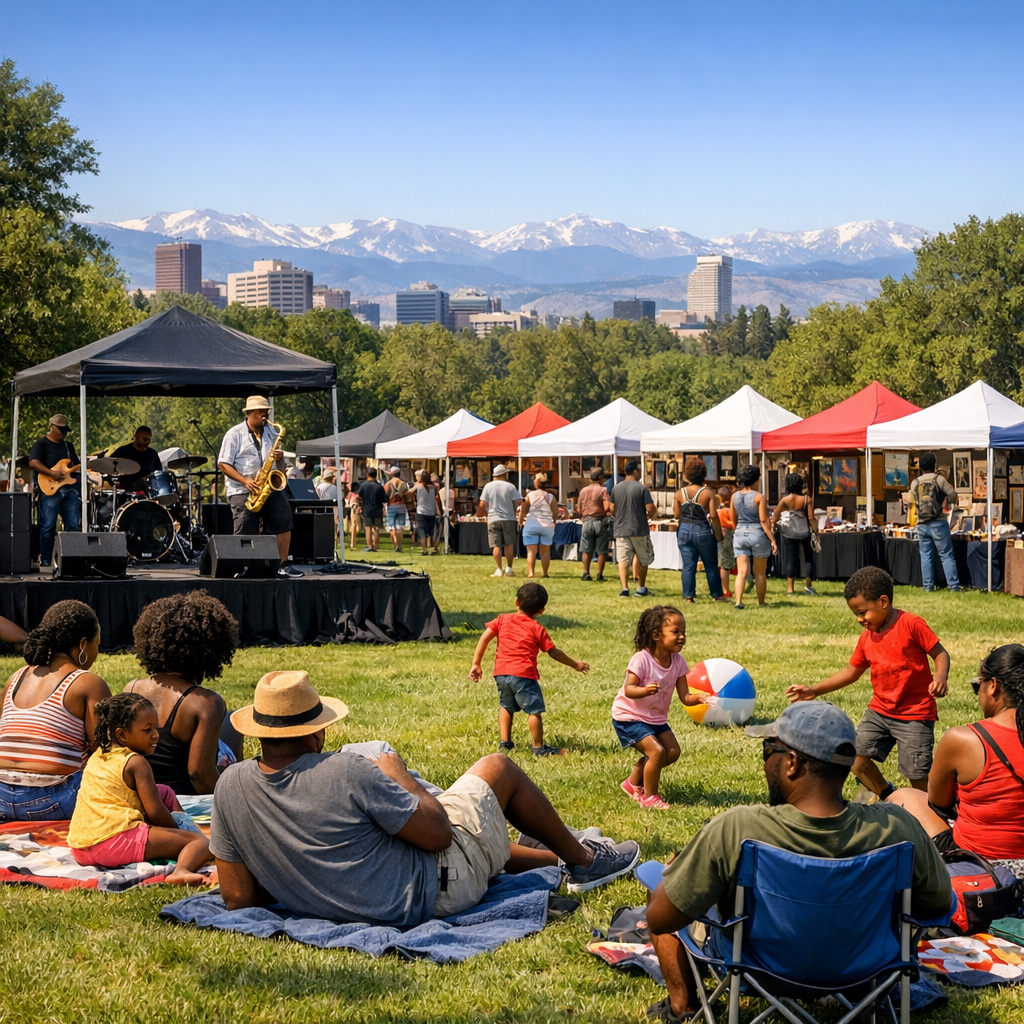
Across three days, the festival transforms City Park West into an outdoor marketplace, concert venue, and family reunion all at once. More than 80 local Black artists, creatives, and Black-owned businesses set up in the marketplace, selling everything from original paintings and photography to handmade jewelry and clothing — the festival's "Art Garden" specifically highlights a rotating group of featured local artists each year, so it's worth a slow lap before you commit to anything. Entertainment runs continuously across three stages, covering a genuinely wide range: traditional African drumming, jazz, gospel, hip-hop, and R&B, with past lineups featuring everything from Emmy-nominated musicians to gospel competition winners. A dedicated Children's Pavilion, typically hosted with partners like the Denver Museum of Nature and Science and local arts organizations, keeps younger attendees busy with hands-on, interactive activities. When you need a break from the sun, the beer garden and fresh-squeezed lemonade stands are strategically placed for exactly that, and the surrounding lawn is built for lawn chairs, blankets, and long, unhurried afternoons.
The Boogaloo Celebration Parade
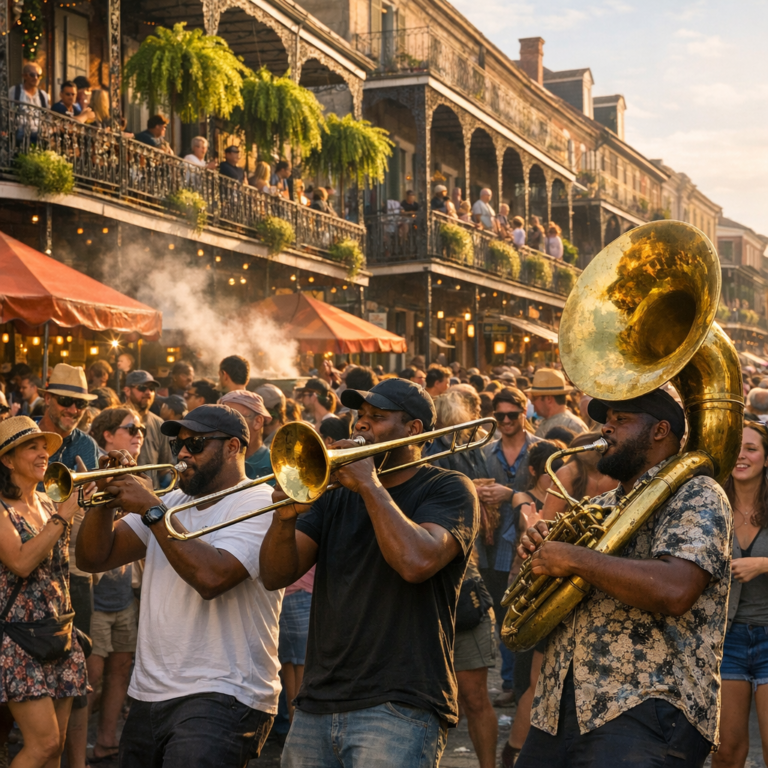
One of the festival's signature traditions is the Boogaloo Celebration Parade, typically held Saturday morning as a kickoff to the day's programming. Expect marching bands, drumlines, dance crews, drill teams, themed floats, and cultural performers moving through the streets near the park before folding into the festival grounds — it's a high-energy, family-friendly way to start the day, and a good reason to arrive earlier on Saturday rather than mid-afternoon.
Who Should Attend
This festival is genuinely for everyone, but it over-delivers for a few groups in particular: families looking for a free, low-stress day out with kids' programming built in; art collectors and appreciators who want to buy directly from Black artists rather than a gallery markup; live music fans who like variety over a single genre; first-time visitors to Denver who want a cultural anchor for their trip rather than just hiking and breweries; and Black locals and transplants in Colorado looking for community in a state where that can sometimes feel harder to find. It's equally comfortable for a solo visitor, a couple, or a multi-generational family trip.
Where to Stay
Because the festival isn't tied to a single host hotel, you have real flexibility on where to base yourself. Staying in the City Park West or Uptown neighborhoods puts you within easy walking or short rideshare distance of the festival grounds, the Denver Zoo, and the Denver Museum of Nature and Science. For a more culturally rooted stay, look at hotels near Denver's historic Five Points neighborhood — the city's traditional Black cultural district — which sits just southwest of City Park and is a short drive or rideshare away. Downtown Denver and the LoDo (Lower Downtown) area offer the widest selection of hotel brands and price points, plus easy light-rail access, if you'd rather stay somewhere with more restaurant and nightlife options after the festival winds down each evening. Wherever you book, plan for July heat and afternoon sun, and consider a hotel with a pool for cooling off between festival days.
Where to Eat, Meet, and Keep the Celebration Going
Denver's Five Points neighborhood is the city's historic center of Black culture and nightlife, sometimes called "the Harlem of the West" during its jazz-era heyday on Welton Street, and it's still the best place to extend the festival's energy after hours. Welton Street Cafe is a longstanding soul food institution in the neighborhood, worth a stop for a classic Southern-style meal. Brother Jeff's Cultural Center, a longtime community hub on Welton Street (and an official festival community partner), is a good starting point for connecting with local Black Denver culture beyond the festival grounds. Denver's East Colfax corridor is home to a strong concentration of Ethiopian and East African restaurants, reflecting one of the city's fastest-growing diaspora communities — a great option if you want to round out a Black-culture-focused food itinerary with dishes from across the diaspora rather than just the American South. For something simple and close to the park, City Park's own Ferril Lake pavilion area and nearby East Colfax Avenue have quick-service options for a pre- or post-festival bite.
City Guide: What to Do Around Denver
City Park itself is worth building extra time around — it's home to both the Denver Zoo and the Denver Museum of Nature and Science, both an easy walk from the festival grounds and a natural add-on for a family day. History-minded visitors should carve out time for Five Points, including the Blair-Caldwell African American Research Library, a dedicated research and cultural archive on Black history in the Rocky Mountain West, and the Welton Street corridor's jazz-era landmarks. If your trip stretches into mid-June instead, Denver's Juneteenth Music Festival — also centered on Welton Street in Five Points — is one of the oldest Juneteenth celebrations west of the Mississippi and pairs naturally with a Black-culture-focused Denver itinerary. For a break from festival crowds, downtown's 16th Street corridor, the RiNo Art District's murals, and the Denver Botanic Gardens are all reachable within a short rideshare.
BTN Insider Tips
- The festival is free, but bring cash — many independent artist and food vendors run more smoothly with cash on hand, even where card readers exist.
- Arrive early on Saturday if you want to catch the Boogaloo Celebration Parade before it feeds into the main festival grounds.
- City Park sits at roughly 5,300 feet of elevation — pace yourself, hydrate more than you think you need to, and wear sunscreen even on a cloudy day.
- Bring your own lawn chairs or a blanket; the grounds are built around lawn seating, and shade near the stages fills up fast.
- Budget separate time (and cash) for the Art Garden — the featured local artists rotate each year, and pieces from smaller vendors often sell out by Sunday.
- Check the official lineup for each stage before you go; with three stages running simultaneously, a little planning helps you catch the acts you actually want to see.
Mark Your Calendar
The Colorado Black Arts Festival has run for nearly 40 consecutive years, almost always landing on the second full weekend of July at City Park. Official 2027 dates have not yet been posted at the time of publishing — check colbaf.org as spring 2027 approaches for the confirmed schedule, stage lineups, and any parking or shuttle updates. Because admission is free, there's no early-bird ticket deadline to worry about; the only planning that really matters is booking your hotel and flights before Denver's summer travel season fills up.
Final Takeaway
Four decades in, the Colorado Black Arts Festival has quietly become proof that Black cultural celebration doesn't need a coastal city or a massive convention center — just a park, a community, and enough staying power to keep showing up year after year. Whether you're a Colorado local who's never made it to City Park that weekend or a traveler building a Black-culture road trip through the Mountain West, this is a low-cost, high-reward stop that delivers art, music, food, and genuine community in one afternoon.
Plan Your Colorado Black Arts Festival Trip
Book HotelsFind FlightsVisit COLBAF.orgSome links on this page are affiliate links. Black Travel Now may earn a commission at no extra cost to you.
Want more free-to-attend Black cultural festivals, city guides, and event breakdowns like this one? Follow and subscribe to Black Travel Now — we're building the one-stop shop for the Black travel experience, one festival at a time.