Europe's Longest-Running Black Film Festival Is Hiding in Plain Sight
Most travelers planning a Black-culture trip through Europe think first of Paris, Lisbon, or London. Few think of Berlin — and almost none think of Berlin's film scene. That's exactly why Black International Cinema Berlin belongs on the radar of any serious culture traveler. Founded in 1986 by Prof. Donald Muldrow Griffith as part of what organizers describe as Europe's first Black Cultural Festival, it has grown into the continent's longest-running festival dedicated to cinema by and about the African Diaspora. In November 2025 it celebrated its 40th edition — four decades of screening films that rarely make it into mainstream German cinemas, let alone American ones.
Event at a Glance
- Event: Black International Cinema Berlin
- Location: Marlene-Dietrich-Kinosaal, Rathaus Schöneberg (Schöneberg Town Hall), John-F.-Kennedy-Platz, Berlin, Germany
- When: Typically late November; the 40th anniversary edition ran November 21–23, 2025. A 2026 edition has not yet been publicly scheduled at the time of writing — check the official site before booking travel.
- Price: Free admission to screenings
- Main Audience: Independent film lovers, diaspora studies and culture travelers, Berlin expats, cinephiles seeking films outside the festival-circuit mainstream
- Travel Vibe: Intimate, intellectual, community-oriented — closer to a film salon than a red-carpet spectacle
A Festival Built on Visibility, Not Spectacle
Black International Cinema Berlin was never designed to compete with the glitz of the Berlinale, Germany's giant February film festival that draws global press and premieres. Instead, it carved out its own lane: a platform for films that make, in the festival's own words, "unseen faces visible and unheard voices audible." The programming pulls from Africa, the African Diaspora, and international and intercultural filmmaking more broadly — shorts, documentaries, and features that spotlight stories rarely centered in German media. For a country still working through how it talks about race, migration, and its own Black communities, that mission carries real weight.
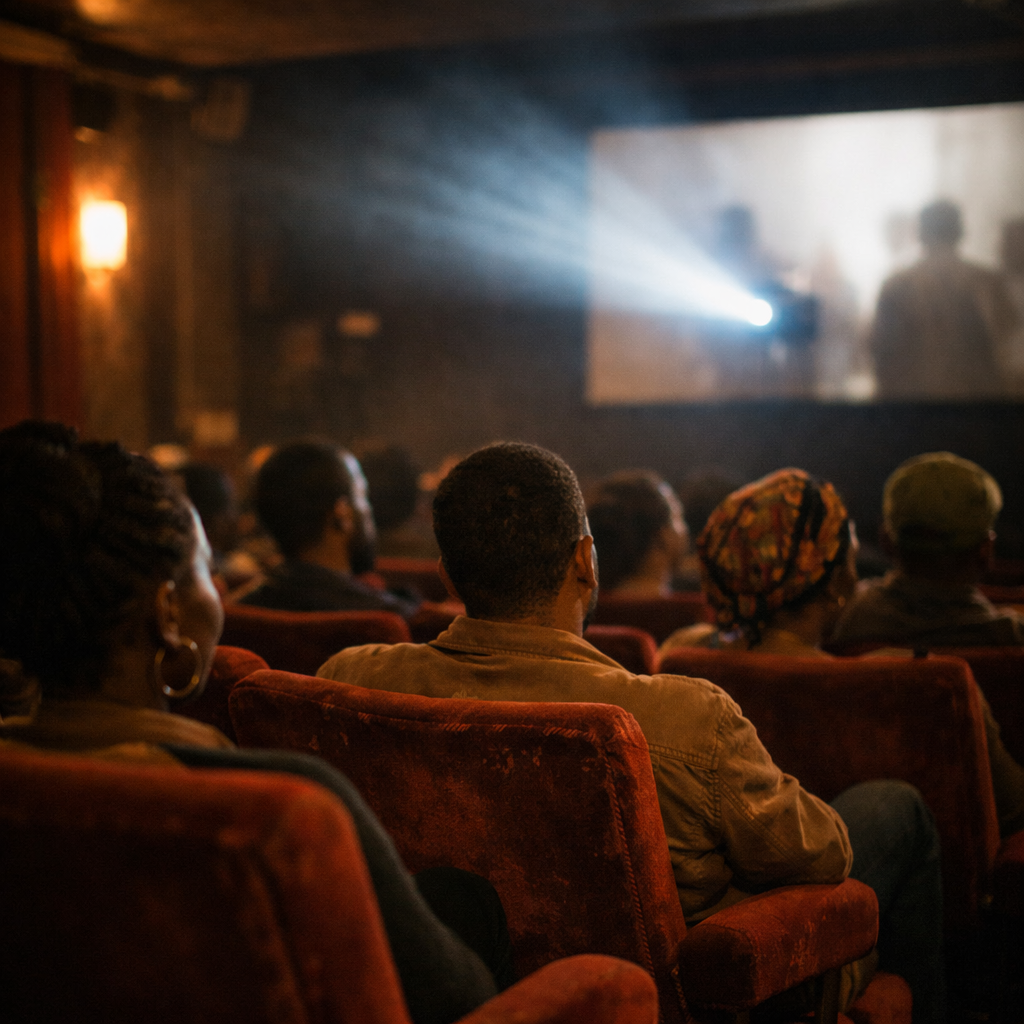
The festival's home base, the Marlene-Dietrich-Kinosaal inside Schöneberg's town hall, is itself a piece of Berlin history — the same building where John F. Kennedy delivered his "Ich bin ein Berliner" speech in 1963. Watching diaspora cinema in a screening room named for one of Germany's most iconic actresses, inside a building that carries that kind of civic history, is part of what makes this festival feel different from a standard multiplex premiere.
The Collegium: Where the Conversation Happens
What sets Black International Cinema Berlin apart from a typical screening series is The Collegium — a forum and television program that has run alongside the festival since 1995, producing an intercultural television magazine broadcast through ALEX Open Channel Berlin. In practice, this means the festival isn't just films projected in a dark room; it's paired with panels, discussions, and recorded conversations that dig into the themes on screen. Screenings become entry points into dialogue about identity, migration, race, and belonging — a structure that has let the festival function as a small but persistent cultural institution rather than a one-weekend event. The 2025 anniversary edition carried the theme "Peace! Now! Always! Please!," using that framing to connect film selections to conversations about tolerance and coexistence.
Why This Is a Different Kind of Black Travel Experience
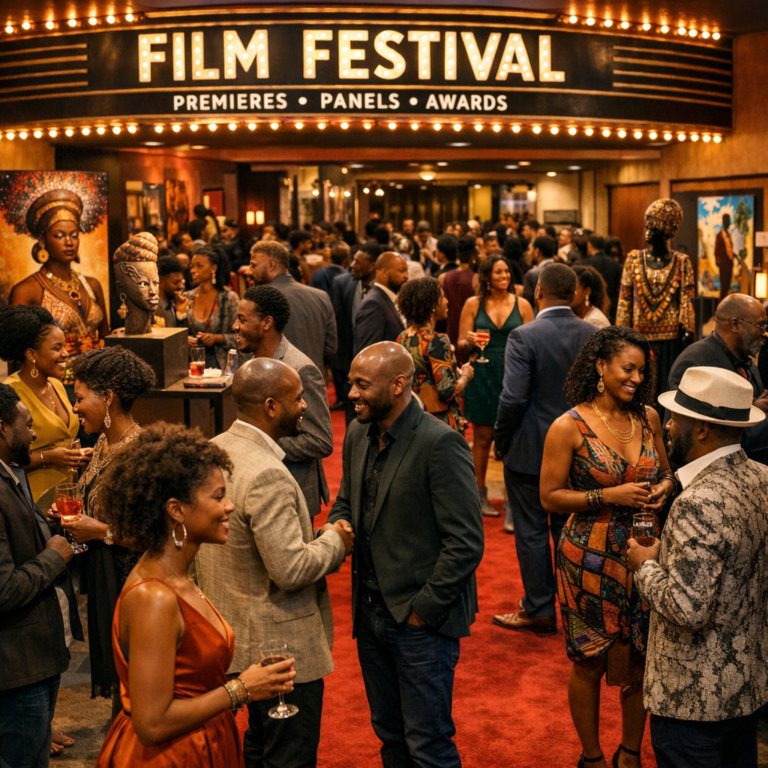
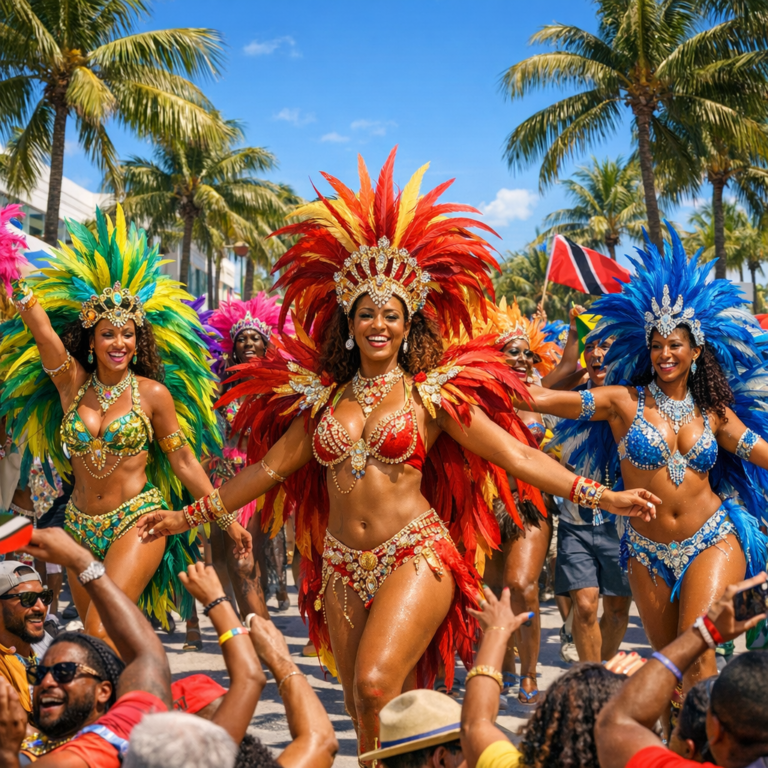
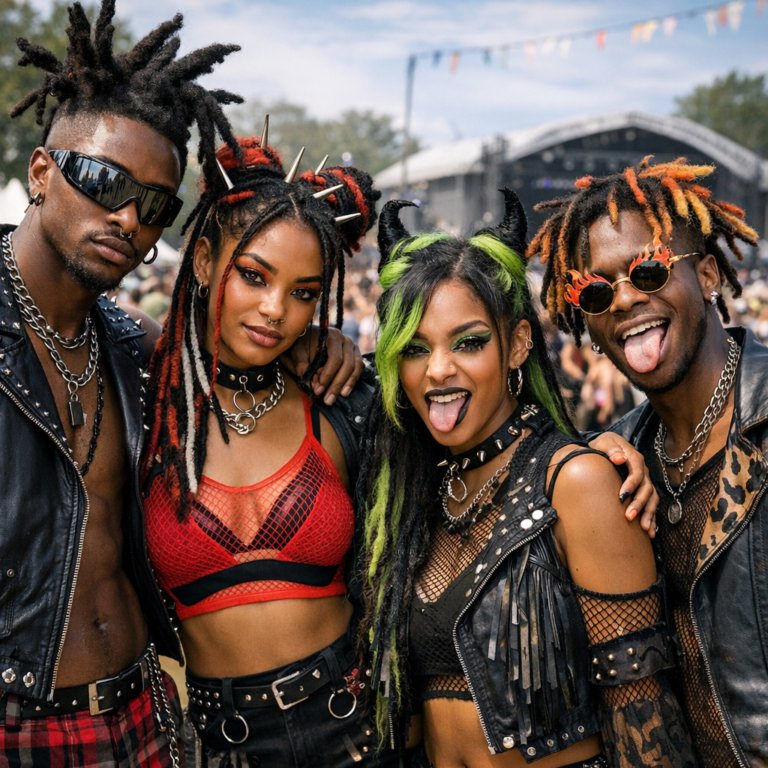
If your Black travel bucket list already includes Carnival in Trinidad, Afropunk in Brooklyn, or a Black film festival circuit stop in the US, Black International Cinema Berlin is worth adding for a completely different reason: it's not a spectacle, it's a conversation. Free admission means the barrier to entry is low, the venue holds a manageable crowd, and the audience — a mix of Berlin's African and Afro-German communities, expats, film students, and curious locals — makes for the kind of post-screening conversation that's hard to manufacture at a bigger festival. For travelers who want to understand what Black European life actually looks like, rather than just visit Europe as a backdrop, a few days built around this festival delivers texture that a typical Berlin itinerary won't.
Planning a Berlin Trip Around the Festival
Because BIC Berlin has historically run on a lower-profile, less rigidly fixed calendar than major annual US festivals, the smartest approach is to treat this as a flexible add-on to a broader Berlin trip rather than the sole reason for your travel dates. A few practical tips:
Check the official festival website close to your travel window. Programming, exact dates, and any Collegium panel schedule are typically confirmed only a few weeks to a couple of months ahead — this is an independent, community-run festival, not a major studio-backed event with a locked multi-year calendar.
Base yourself near Schöneberg. Staying in or near Schöneberg puts you within walking distance of the Rathaus Schöneberg screening venue and in one of Berlin's most historically LGBTQ+- and immigrant-friendly neighborhoods, with easy U-Bahn access to the rest of the city.
Pair the festival with Berlin's broader Black and African diaspora scene. Berlin is home to a growing Afro-German cultural scene — from restaurants and Afrobeat nights to organizations documenting Black German history. Build a few extra days around the festival to explore neighborhoods like Wedding and Neukölln, where much of that scene lives.
Budget for a shoulder-season city break, not a festival splurge. Since screenings are free, your travel budget goes almost entirely to flights, lodging, and food rather than tickets — making this one of the more affordable ways to build a culturally rich European trip.
🏨 Book Berlin Hotels →Getting There
Berlin Brandenburg Airport (BER) connects directly to major hubs across North America and the rest of Europe. From the airport, the Airport Express train and S-Bahn/U-Bahn network make Schöneberg an easy 30-45 minute trip without needing a car. Late November in Berlin means cold, short days — pack accordingly and lean into the cozy, indoor, cinema-and-conversation nature of the trip.
Who This Festival Is For
Cinephiles who want to see African and diaspora stories rarely distributed outside their home markets; culture travelers building a European itinerary around substance rather than nightlife; Black expats and students already in Berlin looking for community; and anyone curious what four decades of grassroots, diaspora-centered film programming looks like when it's kept alive by the same community that built it.
BTN Insider Tips
Don't expect red-carpet glamour. This is a community screening room, not a gala — dress for comfort and come ready to talk, not just watch.
Arrive early for popular slots. Free admission plus a small venue means seats can fill up, especially for anniversary or milestone programming.
Treat the Collegium panels as the main event, not a bonus. The post-screening discussions are where the festival's 40-year identity really shows.
Confirm dates directly with organizers before booking flights. Given the festival's independent, community-run structure, official dates are the only reliable source — don't rely on secondhand calendars.
Plan Your Trip
Black International Cinema Berlin proves that "longest-running" doesn't have to mean "biggest." Four decades in, it's still a small, free, deeply community-rooted festival doing exactly what it set out to do: making unseen faces visible on screen, and unheard voices audible in the room afterward. For Black travelers looking to add real cultural depth to a European itinerary, that's a rare find.
🎟️ Festival Details → ✈️ Book Your Berlin Trip →*Some links on this page are affiliate links — BTN may earn a commission at no extra cost to you.