The Court Is Calling. And Every Eagle Answers the Flight.
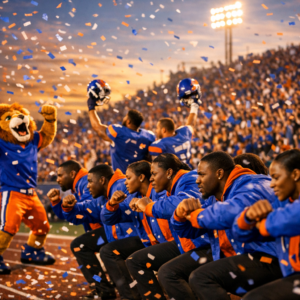
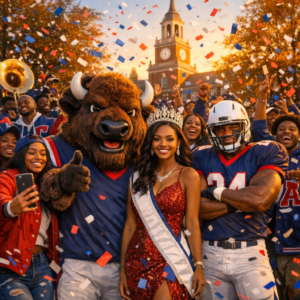
There is a moment every person who has ever sat inside the Physical Education Complex on a Coppin State Homecoming Saturday describes the same way. The arena lights drop low, then flare back up gold. Confetti drifts down over a crowd packed shoulder to shoulder — alumni who taught in Baltimore City Schools for thirty years, alumni who became nurses and social workers and small business owners, alumni who never left West Baltimore and alumni who flew back in from six states away. The step show has just wrapped. The doubleheader is about to tip off on the court named for the coach who made this program famous. And you look around at this sea of blue and gold and feel something hard to put into words.
You feel what it means to belong to something that raised you up.
That is Coppin State University Homecoming. It is not a football weekend — Coppin State does not field a football team — it is a basketball homecoming, built around a men's and women's doubleheader on the Eagles' home court, a step show, a jazz brunch, and a full week of community under this year's theme: "Legends of Blue & Gold." For eight days every February — February 15–22, 2026 — West Baltimore belongs to the Eagles.
🏀 Get Your Coppin State Homecoming Tickets
What Makes Coppin State Homecoming Unlike Any Other
Every HBCU has a homecoming. But Coppin State's stands apart — and three things set it apart.
First, the basketball program itself. Coppin State is home to one of the most famous upsets in NCAA Tournament history: in 1997, under legendary head coach Ron "Fang" Mitchell, the 15th-seeded Eagles stunned 2nd-seeded South Carolina, becoming one of the first 15-seeds ever to beat a 2-seed in the men's tournament. The Eagles' home court inside the Physical Education Complex — PEC Arena — is now officially named "Fang" Mitchell Court in his honor. When alumni come home for Homecoming, they come home to watch basketball on a floor that carries real history.
Second, Coppin State University itself. Founded in 1900 to train Black elementary school teachers in Baltimore, Coppin grew from a one-year certificate program into a full public university, all while staying rooted in West Baltimore and committed to educating the city's own residents. Its motto — "Nurturing Potential... Transforming Lives" — is not marketing. It describes exactly what the school has done for 125 years.
Third, the culture. Coppin Homecoming is not one enormous concert or a 40,000-person tailgate — it is an intimate, homegrown week: bingo nights, a celebrity lip sync battle, a glow-in-the-dark party, a step show, an alumni happy hour downtown, and a Sunday jazz brunch. It feels like a family reunion because, for a lot of Baltimore, it basically is one.
The History: Coppin State University & Its Eagles
Coppin State University was founded in 1900 inside Baltimore's Colored High School as a one-year training course for the preparation of African American elementary school teachers — at a time when Black Baltimoreans had almost no access to higher education. The program expanded steadily: a two-year Normal Department by 1902, its own principal by 1909, and in 1926 a new name honoring Fanny Jackson Coppin, a formerly enslaved woman who became one of the first Black women in America to earn a college degree and a pioneering educator in her own right.
The school kept growing with its students' ambitions. In 1938 it became a four-year, degree-granting Coppin Teachers College. In 1950 it joined Maryland's state college system. In 1952 it moved to its current 38-acre campus on West North Avenue. In 1963 the school shed its teacher-college-only restrictions and became Coppin State College, open to any major. By 2004, it was officially Coppin State University, now offering 53 majors and nine graduate programs while never losing its founding commitment: educate Baltimore's own.
Coppin State Eagles athletics became a source of citywide pride, and nowhere more than on the basketball court. The 1997 NCAA Tournament run under Coach Ron "Fang" Mitchell — a 15-over-2 upset of South Carolina broadcast to the entire country — put a small Baltimore commuter school on the national map and gave generations of Eagles alumni a signature moment to rally around every Homecoming.
Why Coppin State Homecoming Matters
Coppin State Homecoming matters because Coppin State matters — to Baltimore, specifically. This is not a school that recruits nationally and sends graduates everywhere; it is a school built to lift up the city that surrounds it, one teacher, one nurse, one social worker, one police commissioner at a time. Alumni like Bishop L. Robinson, the first African American to serve as Baltimore's Police Commissioner, and Verda Welcome, an educator who became one of the first Black women elected to the Maryland State Senate, built their careers on a Coppin State education and then rebuilt Baltimore around them.
Coming home for Homecoming is an act of returning to that legacy — to the generations of Black Baltimoreans who used a Coppin degree to become the teacher, the coach, the councilwoman, the small business owner their neighborhood needed. For visitors who did not attend Coppin, Homecoming week is a window into a side of Baltimore that tourism brochures rarely show: a proud, working, deeply rooted Black institution still doing exactly what it was built to do in 1900.
Why You Should Attend Coppin State Homecoming 2026
You do not have to be an Eagle to attend Coppin State Homecoming, and if you have never been, you should go. The Saturday basketball doubleheader — women's tip-off at 2 p.m., men's at 4:30 p.m., both inside PEC Arena — is one of the most affordable, high-energy sporting events in Black Baltimore, tickets running around $25. The Friday night step show brings out Coppin's Divine 9 chapters in full force for around $15. And the whole week is priced for real people: a $20 concert, a $15 step show, free campus events almost every day.
Come ready to wear your blue and gold. Come ready to dance at the glow party. Come ready to cheer courtside. You will leave feeling like family. Guaranteed.
✈️ Plan Your Coppin State Homecoming Trip
What to Expect: Day by Day
- Sunday, February 15 — Club Midnight Breakfast: Students kick things off late-night in the Talon Dining Hall as Homecoming week officially opens.
- Monday, February 16 — Beats & Bingo & Speed Friend Dating: An evening of music-bingo in the Tawes Center Ballroom, followed by a lighter, playful mixer built for making new friends, not just old ones.
- Tuesday, February 17 — Eagle Madness & Celebrity Lip Sync Battle: A free financial-literacy session by day, game-room hangouts by afternoon, and a full-blown lip sync competition by night in the JWJ Auditorium.
- Wednesday, February 18 — Coppin Chopped & Glow in the Dark Party: A "Chopped"-style cooking showcase called Coppin Chopped: The Black Table during the day, then a glow-in-the-dark dance party in the Tawes Ballroom at night.
- Thursday, February 19 — State of the University & Alumni Happy Hour: The president delivers the State of the University address at midday; that evening, alumni head downtown to Power Plant Live! at Luckie's Tavern for a 21+ happy hour, followed by a Homecoming concert.
- Friday, February 20 — Step Show: The marquee cultural event of the week. Coppin's Divine 9 organizations battle it out in the JWJ Auditorium in the "Homecoming Step Show" — tickets are cheap and it sells out fast. Cocktails and Karaoke runs the same night for the 21-and-up crowd.
- Saturday, February 21 — Basketball Doubleheader & Tailgate: The biggest day of Homecoming. It starts with the Athletics Hall of Fame Breakfast, rolls into a free pregame fan fest and cookout on Lot F and the Residential Quad, and builds to the main event: Women's Basketball at 2 p.m. followed by Men's Basketball at 4:30 p.m., both inside PEC Arena on "Fang" Mitchell Court. A raffle benefiting the women's athletics program runs all day.
- Sunday, February 22 — Worship Service & Jazz Brunch: A closing worship service at Bethel AME Church, followed by the Homecoming Jazz Brunch back on campus — the soft landing before everyone heads home.
Career & Networking Opportunities
Coppin State Homecoming is a working reunion as much as a party. The State of the University Address gives alumni a direct line to leadership on where the school is headed. The CSU National Alumni Association Annual Meeting is where graduates plug back into the network that keeps opening doors across Baltimore's schools, hospitals, city agencies, and small businesses. And the Commitment to Excellence Awards and Athletics Hall of Fame Breakfast put the city's Coppin-educated doctors, principals, coaches, and civic leaders in the same room — exactly the kind of room worth being in.
- Alumni Association meeting — open to all graduates, a direct channel into mentorship and job connections across Baltimore's Black professional class.
- Athletics Hall of Fame Breakfast — a room full of former Eagles athletes and coaches, many now leaders in education, sports, and business across the city.
- Financial Planning Basics session — a free, practical workshop during Homecoming week aimed at alumni and community members alike.
Social Events & Parties
Baltimore leans all the way into Coppin Homecoming week. On campus, expect a music-bingo night, a speed-friend-dating mixer, a celebrity lip sync battle, a glow-in-the-dark dance party, and a Friday-night cocktails-and-karaoke session for the grown folks. Downtown, the Alumni Happy Hour takes over Power Plant Live!'s Luckie's Tavern at the Inner Harbor — a 21+ evening that regularly runs from 6 to 10 p.m. and is one of the week's best-attended events.
The energy peaks Saturday: a free morning tailgate and fan fest on Lot F and the Residential Quad rolls straight into the afternoon basketball doubleheader, and the city's promoters and lounges fill in around it with after-parties into the night.
Where to Eat: Baltimore's Best for Coppin State Homecoming
- Land of Kush — A beloved Black-owned vegan and vegetarian soul food spot serving plant-based crab cakes, BBQ "ribs," and curry chicken that converts even the biggest skeptics.
- Connie's Chicken & Waffles — Tucked inside historic Lexington Market, this Black-owned counter serves Southern-fried chicken with a rotating lineup of creative waffle flavors.
- Next Phaze Café — A downtown Baltimore staple serving Southern cuisine with Charm City flair — crab cakes, ribs, catfish fritters, and collard greens done right.
- Mama Koko's — A communal gathering spot blending Black Southern, West African, and Caribbean cooking with cocktails and small plates for an evening out with the crew.
- The Urban Oyster — Billed as the first female- and Black-owned oyster bar in the country, serving chargrilled oysters and oyster tacos in a lively setting.
- Water for Chocolate — A comfort-food favorite since 2006, known for barbecue shrimp and grits and a weekend brunch worth planning a morning around.
What to Do in Baltimore
- The National Aquarium — Baltimore's signature attraction is genuinely better in February: shorter lines, a quieter Inner Harbor, and the same jellyfish and shark exhibits that make it one of the best aquariums on the East Coast.
- Lexington Market — One of the oldest continuously operating public markets in the country, recently renovated, and a warm, indoor way to eat your way through Baltimore between Homecoming events.
- The Hippodrome Theatre — Downtown's historic Broadway-touring venue is an easy, cozy night out if you want a break from the Homecoming schedule.
- Mount Vernon & the Peabody Library — A walkable historic neighborhood anchored by one of the most beautiful libraries in America — a striking, quiet stop on a cold February afternoon.
- Fell's Point — Cobblestone streets, historic taverns, and waterfront views; a great low-key evening away from the crowd, especially if you like a fireplace and a good drink.
Black History & Cultural Sites in Baltimore
- Reginald F. Lewis Museum of Maryland African American History & Culture — A Smithsonian affiliate near the Inner Harbor holding roughly 10,000 artifacts; the largest African American museum in the state and an essential stop for any visitor.
- National Great Blacks in Wax Museum — More than 150 life-size wax figures tracing Black history from ancient Africa through the present, housed in one of the country's few wax museums dedicated entirely to Black history.
- Lillie Carroll Jackson Civil Rights Museum — Honors the civil rights pioneer who led Baltimore's NAACP chapter for more than thirty years, fighting for integration and voter registration across the city.
- Frederick Douglass-Isaac Myers Maritime Park — A gallery on Baltimore's Black maritime history, including Isaac Myers's pioneering African American-owned shipyard.
- Eubie Blake Cultural Center — Named for the Baltimore-born ragtime and jazz composer, this center celebrates the city's deep musical heritage through performances and exhibits year-round.
Recommended Places to Stay
Baltimore hotels fill up during Coppin Homecoming week, especially around the Saturday doubleheader. Book early. Prices below are estimates for the week and will vary by date and availability.
Premium
- Sagamore Pendry Baltimore — A restored 1914 waterfront landmark in historic Fell's Point. Estimated from $350–$450/night.
- Four Seasons Hotel Baltimore — Harbor East's top luxury address, with sweeping water views. Estimated from $400/night.
Mid-Range
- Hotel Revival Baltimore — A boutique, art-filled hotel in Mount Vernon with a lively rooftop bar. Estimated from $220/night.
- Baltimore Marriott Inner Harbor at Camden Yards — Reliable, well-located, and an easy drive to Coppin's campus. Estimated from $200/night.
Budget & Group
- Fairfield Inn & Suites by Marriott Downtown Baltimore Inner Harbor — A dependable, moderately priced option a short drive from campus. Estimated from $140/night.
- Airbnb in Reservoir Hill, Bolton Hill, or Old Goucher — Historic Baltimore neighborhoods close to Coppin's West North Avenue campus, with full-house rentals ideal for groups and families.
🏨 Find & Compare Baltimore Hotels for Coppin Homecoming →
BTN Travel Tip: Your Coppin State Homecoming Itinerary
- Thursday — Arrive & Reginald F. Lewis Museum: Check in, spend the afternoon at the Reginald F. Lewis Museum. Evening: catch the Homecoming concert or the alumni happy hour downtown.
- Friday — Lexington Market + Step Show: Lunch at Connie's Chicken & Waffles in Lexington Market, afternoon walk through Mount Vernon, then the Homecoming Step Show at night.
- Saturday — Tailgate, Doubleheader & After-Party: Start at the free fan fest on the Residential Quad, then settle in for the women's and men's basketball doubleheader at PEC Arena. Dinner at Land of Kush or Next Phaze Café, then a downtown after-party.
- Sunday — Jazz Brunch & Depart: Worship service at Bethel AME (optional), Homecoming Jazz Brunch on campus, then head home.
Mark Your Calendar
Coppin State University Homecoming 2026 — "Legends of Blue & Gold"
📅 February 15–22, 2026
📍 Coppin State University, 2500 West North Avenue, Baltimore, MD 21216
🏀 Event tickets and full schedule — coppin.edu/homecoming
⚠️ The Step Show and Saturday basketball doubleheader sell out. Buy early.
🏀 Get Coppin State Homecoming Tickets →
How to Stay Connected
- Official Website: coppin.edu/homecoming
- Coppin State University Instagram: @coppinstateuniversity
- Hashtags: #CoppinHomecoming26 #CoppinLegendsHC26 #CoppinStateEagles
- BTN Coverage: Follow @myblacktravelnow for homecoming guides and Baltimore travel tips