D.C.'s premier week of Black policy, power, and networking — everything to know before you go.
Introduction
Every September, Washington, D.C. becomes the epicenter of Black political power. The Congressional Black Caucus Foundation's Annual Legislative Conference — known to insiders simply as "ALC" or "CBC Week" — pulls tens of thousands of elected officials, policy wonks, entrepreneurs, students, faith leaders, and everyday engaged citizens into the nation's capital for five days of panels, galas, prayer breakfasts, and hallway deal-making. In 2026, the stakes are higher than usual: the Congressional Black Caucus Foundation turns 50, and the 55th Annual Legislative Conference arrives under the theme "Rooted, Ready, and Rising." If you care about where Black policy, culture, and capital intersect, this is the week to be in D.C.
Event at a Glance
- Event: CBCF 55th Annual Legislative Conference ("ALC55" / "CBC Week")
- Host Organization: Congressional Black Caucus Foundation (CBCF)
- City & Venue: Walter E. Washington Convention Center, 801 Mount Vernon Pl NW, Washington, D.C. 20001
- Dates: September 16–20, 2026
- Best For: Policy professionals, elected officials and staffers, advocates, nonprofit leaders, entrepreneurs, students, faith leaders, and civically engaged travelers
- Career/Networking Level: Very high — Members of Congress, agency officials, Fortune 500 government-affairs teams, and national advocacy leadership attend in person
- Dress Code: Business professional by day, cocktail/formal for evening galas and the Phoenix Awards Dinner
- Recommended Trip Length: 4–5 days
- Registration Types: General attendee, CBCF member, student, single-day, and ticketed signature events (Prayer Breakfast, Phoenix Awards Dinner sold separately)
History and Mission of CBCF
The story of ALC begins with the Congressional Black Caucus itself. In 1971, a group of 13 Black members of Congress — frustrated that the growing number of Black legislators still had little collective leverage — formed the CBC and, that same year, launched the first legislative conference to focus national attention on issues facing Black America. Five years later, in 1976, the Congressional Black Caucus Foundation was chartered as the Caucus's nonpartisan, nonprofit policy and education arm, created to do the research, leadership development, and public education work that a sitting Caucus of lawmakers legally cannot do itself. Since then, CBCF has built out scholarship and fellowship programs, a policy research division (the Center for Policy Analysis and Research), the Avoice digital library documenting African American history in Congress, and a pipeline of internships that have sent thousands of young Black professionals into Capitol Hill offices, federal agencies, and newsrooms. 2026 marks CBCF's 50th anniversary as a foundation, even as the Annual Legislative Conference itself — with roots stretching back to that first 1971 gathering — enters its 55th year, making this installment a genuine golden-anniversary moment for the whole institution.
Why This Conference Matters
ALC is routinely described as the leading public policy conference focused on the global Black community, and it earns that description by being one of the only places where sitting Members of Congress, federal appointees, mayors, corporate diversity and government-affairs executives, grassroots organizers, and college students all sit in the same rooms for the same week. It is where legislation gets workshopped in public forums before it hits the House floor, where agency heads take direct questions from the communities their policies affect, and where the next generation of Black political staff gets discovered. Beyond the substance, ALC is also a massive economic and cultural moment for D.C. — hotels sell out, restaurants extend hours, and the city's Black-owned businesses see one of their biggest weeks of the year. For anyone who wants to understand how Black political power actually moves in Washington, there is no substitute for being in the room.
Who Should Attend
ALC draws Members of Congress and congressional staff; federal, state, and local government officials; nonprofit and advocacy organization leaders; corporate government-affairs, ESG, and DEI professionals; entrepreneurs and small-business owners looking for federal contracting and policy insight; faith leaders; HBCU students and recent graduates chasing internships and fellowships; journalists and media professionals covering Black political life; and everyday civically engaged travelers who simply want to be in the room where policy meets people. If you have ever wanted a direct line into how legislation affecting Black communities actually gets made, this is your week.
What to Expect at ALC
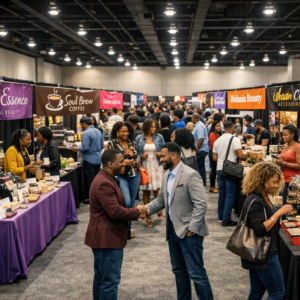
The week runs dense from morning to night. Expect more than 100 free public policy forums and braintrusts covering everything from health equity and criminal justice to economic empowerment, housing, and technology; a National Town Hall bringing together journalists, elected officials, and advocates for a frank state-of-the-community conversation; the Day of Healing Prayer Breakfast; a Community Health Fair; the Gospel Extravaganza; The Black Party, ALC's signature late-night celebration; and the marquee Phoenix Awards Dinner, the black-tie gala that closes the week and typically features the sitting President or Vice President, top CBC leadership, and national honorees. Layer on an exhibitor hall, HBCU and Greek-life programming, youth leadership tracks, and countless private receptions hosted by corporations, unions, and advocacy groups, and you have a conference that is less a single event than an entire ecosystem operating for five days straight.
Networking Strategy
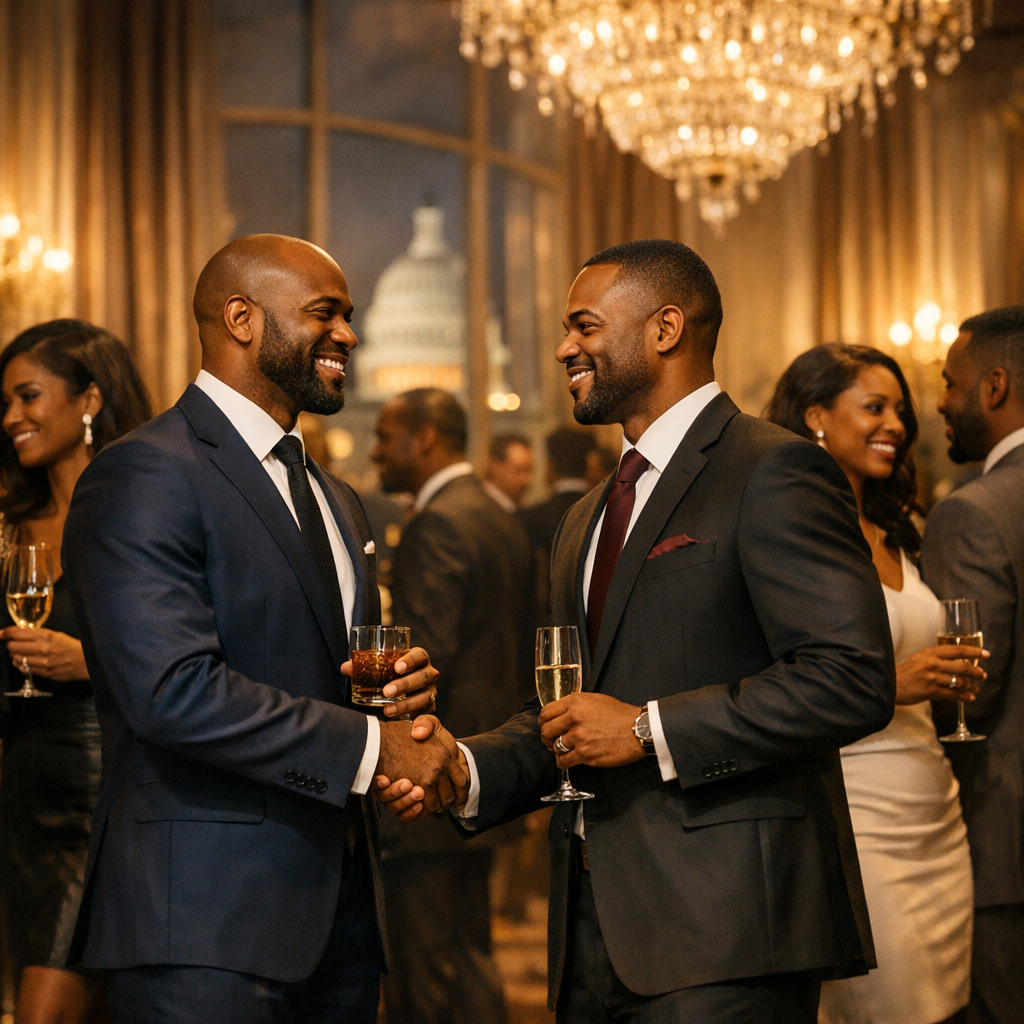
Treat ALC like a campaign, not a walkthrough. Set three to five specific goals before you land — a piece of legislation you want to understand, an office you want face time with, an industry contact you want to make — and build your schedule around them rather than trying to see everything. The braintrust sessions and smaller policy forums are often where real relationships form, since the National Town Hall and Phoenix Awards Dinner are too large for one-on-one conversation. Talk to congressional staffers with the same seriousness you give to elected officials; staff run the day-to-day of policy and are often the actual decision-makers on meeting requests. Follow up within 48 hours by email or LinkedIn while the week is still fresh in everyone's memory, and keep short notes on every meaningful conversation so you can reference specifics later.
Sessions to Prioritize
With over 100 forums on the schedule, prioritize by your goal. For federal policy literacy, look for braintrusts on health equity, criminal justice reform, and economic empowerment — these tend to feature the most senior lawmakers and agency officials. For career-building, prioritize any session explicitly framed around fellowships, internships, or federal hiring pipelines. For entrepreneurs, seek out sessions on federal contracting, access to capital, and small-business policy. And do not skip the National Town Hall — it is consistently the most substantive, unfiltered conversation of the week and sets the tone for everything that follows.
How to Prepare Before You Go
Register as early as the portal allows; pricing and access to certain sessions can tighten as the week approaches. Book your hotel the same day you register — convention-adjacent blocks sell out fast during ALC week. Review the published agenda and build a personal schedule before you arrive, since overlapping sessions are common. Refresh your resume, LinkedIn, and a one-page policy brief or business one-pager if you are pitching anything. If you want tickets to the Prayer Breakfast or Phoenix Awards Dinner, purchase those separately and early, as they are ticketed apart from general conference registration and do sell out.
Dress Guidance
This is Washington, so dress accordingly. Daytime forums and braintrusts call for business professional attire — suits, tailored dresses, closed-toe shoes. Evening programming steps up: cocktail attire is appropriate for most receptions, and the Phoenix Awards Dinner is a full black-tie affair. Comfortable, presentable shoes matter more than they sound — the convention center is enormous and you will cover real distance between sessions. Pack at least one polished day-to-night option and keep a step-up outfit in reserve in case an unexpected invitation comes through.
Where to Stay
The Marriott Marquis Washington, D.C. sits directly connected to the Walter E. Washington Convention Center and functions as the unofficial hub of ALC week — expect the lobby itself to double as a networking floor. The Eaton DC, an independently owned boutique hotel a few blocks away on K Street, leans into social-justice and community programming that fits the ALC crowd particularly well, with a radio station, screening room, and activist-minded events built into the property. For a splurge with genuine civil-rights-era history, the historic Willard InterContinental Washington — where Dr. Martin Luther King Jr. is said to have refined portions of his "I Have a Dream" speech before the 1963 March on Washington — puts you within easy reach of the convention center and the National Mall. Whatever you book, do it the moment registration opens; ALC week is one of D.C.'s biggest annual hotel sellouts.
Where to Eat
D.C.'s Black culinary history runs through this itinerary. Ben's Chili Bowl on U Street has been serving half-smokes since 1958, survived the 1968 riots as one of the few businesses kept open to feed the neighborhood, and has hosted everyone from Dr. King to President Obama — it is as much a civil-rights landmark as a restaurant. Florida Avenue Grill, open since 1944 and billed as the oldest soul food restaurant in D.C., is a short trip from the convention center and worth the visit for its history alone. Busboys and Poets, with several D.C. locations including one near the convention center, is a restaurant-bookstore-community space named for Langston Hughes (who worked as a busboy at a D.C. hotel before his poetry was discovered) and regularly hosts panels and readings that align perfectly with ALC's civic energy. For a polished dinner or reception venue, The Oval Room and Compass Rose are reliable choices near downtown for closing out a long conference day with colleagues.
City Guide: Black History Between Sessions
Build in time to leave the convention center. The U Street Corridor, once nicknamed "Black Broadway," was the social and cultural heart of Black Washington for decades, anchored by the historic Lincoln Theatre and the African American Civil War Memorial & Museum, which honors the roughly 200,000 Black soldiers and sailors who served the Union. Across the Anacostia River, the Frederick Douglass National Historic Site (Cedar Hill) preserves the home where Douglass lived out his final years, with sweeping views back toward the Capitol. The National Museum of African American History and Culture on the Mall is essential if your schedule allows even a few hours, and the Mary McLeod Bethune Council House near Logan Circle tells the story of the National Council of Negro Women's founding. Even a half-day carved out of ALC's schedule turns this trip from a conference visit into a genuine pilgrimage through Black Washington.
After-Hours and Receptions
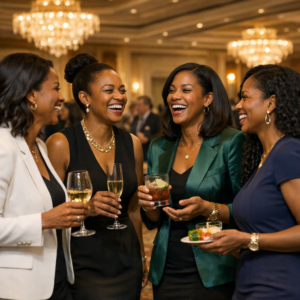
The official program is only half the week. Expect a dense calendar of corporate-sponsored receptions, state-delegation mixers, HBCU and Divine Nine alumni gatherings, and advocacy-organization happy hours running most evenings, alongside ALC's signature Black Party as the week's biggest late-night celebration. Much of the real relationship-building happens at these smaller, sponsor-hosted events rather than the headline programming, so it is worth scanning the exhibitor hall and braintrust host organizations for invitations. Pace yourself — this is a five-day marathon, and you want to be sharp for morning sessions and the Phoenix Awards Dinner at week's end.
Budget Guide
General ALC registration has historically been tiered by member status, student status, and single-day versus full-week access, with pricing increasing as the event approaches — check the official registration portal for current-year rates as they are released closer to September. The Day of Healing Prayer Breakfast and the Phoenix Awards Dinner are ticketed separately from general registration and are worth budgeting for individually, since both routinely sell out. Beyond registration, plan for hotel (book early — convention-week rates climb fast), flights, local transportation, meals, at least one formal outfit for the Phoenix Awards Dinner, and a small cushion for printed materials or last-minute additions. Students should check CBCF's scholarship, fellowship, and travel-assistance programs before paying full price, and professionals should ask their employer about reimbursement — many government-affairs and nonprofit budgets already cover ALC attendance.
Your ROI Is in the Follow-Up
Define what a successful week looks like before you arrive, then chase it deliberately: prioritize the sessions and receptions tied to your specific goals, aim for five to ten meaningful conversations rather than fifty shallow ones, and follow up with every one of them within 48 hours. If a braintrust or panel connected you to a specific office, opportunity, or program, act on it immediately rather than weeks later. Share a takeaway or two on LinkedIn to stay visible in the policy conversation, and keep organized notes on new contacts before the context fades. ALC doesn't end when you fly home — staying engaged with CBCF's programming afterward is often what turns a strong week into a lasting relationship.
First-Timer Tips
Don't overpack your schedule — leave breathing room between sessions, since the convention center is large and lines for popular braintrusts form early. Introduce yourself confidently; nearly everyone in the room is also there to meet new people. Keep your phone charged with a portable battery, and carry both a printed resume or one-pager and a digital version. Wear comfortable shoes every single day. Asking people what brought them to ALC is an easy, genuine icebreaker. Sit with others in sessions rather than isolating in the back, and don't hesitate to attend alone — most first-timers do exactly that. Follow the official hashtag and CBCF's event app for last-minute schedule changes.
Mark Your Calendar
The 55th Annual Legislative Conference runs September 16–20, 2026, at the Walter E. Washington Convention Center, marking CBCF's 50th anniversary year under the theme "Rooted, Ready, and Rising." Registration opens well in advance through CBCF's official event portal — register and book your hotel as early as possible, since both fill quickly for this milestone year.
Final Takeaway
ALC is more than a conference. It is the closest thing Black America has to an annual state of the union — part policy summit, part homecoming, part celebration of five decades of institutional legacy — and for anyone who wants a seat at the table where Black political power actually gets built, it belongs on the calendar every single year.
Plan Your ALC 2026 Trip
Book HotelsFind FlightsRegister at CBCFinc.orgSome links on this page are affiliate links. Black Travel Now may earn a commission at no extra cost to you.
Want more Black professional travel guides, policy-conference breakdowns, and city-by-city itineraries like this one? Follow and subscribe to Black Travel Now — we're building the one-stop shop for the Black travel experience, one milestone conference at a time.