The City That Refused to Forget
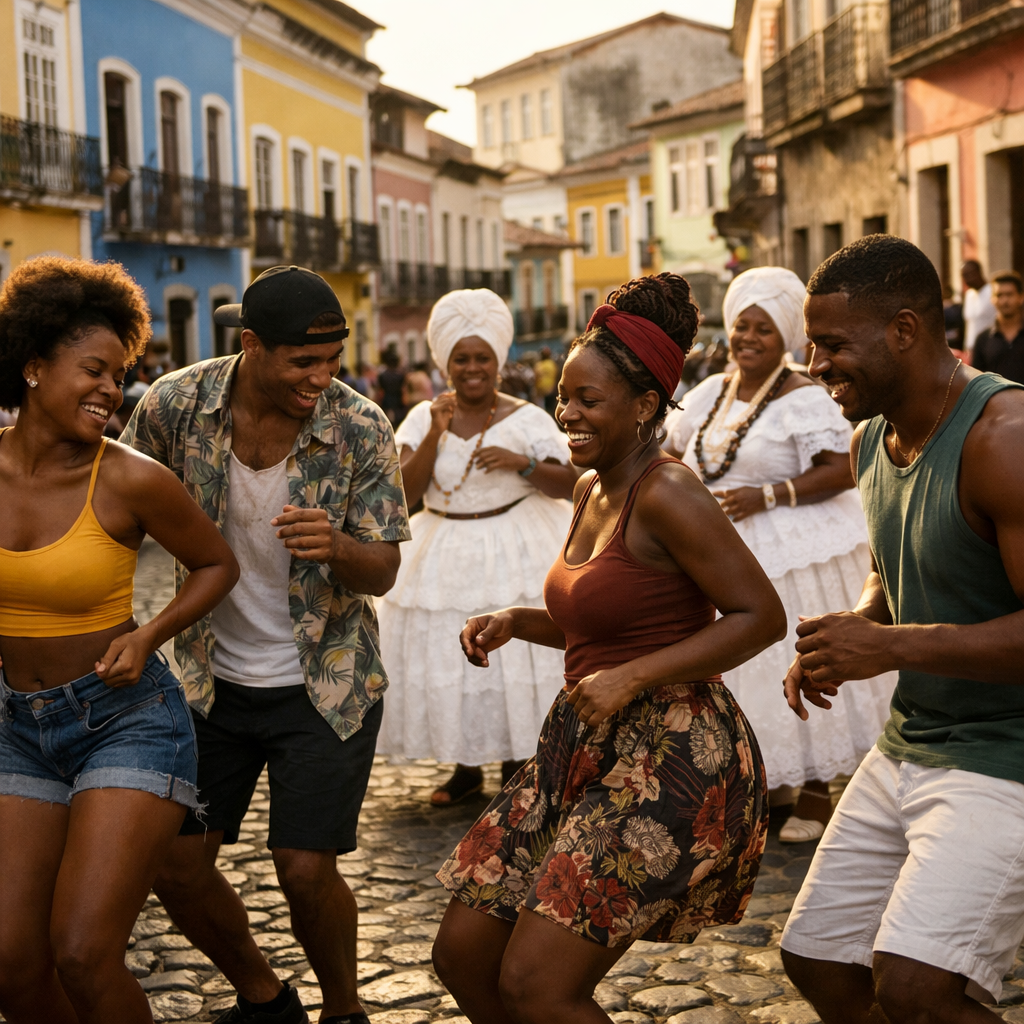
There is a moment that happens on your first afternoon in Salvador da Bahia, usually somewhere around the Pelourinho, when a berimbau starts pulsing from an alleyway and a crowd forms around two men circling each other in capoeira, and you realize you are not watching a tourist show — you are watching a 500-year-old act of resistance still being performed in real time. Salvador does not perform Blackness for visitors. Salvador simply is Black, unapologetically and completely, and it always has been.
This is the first capital of colonial Brazil, the port through which more enslaved Africans passed than any single point in the Americas — an estimated 1.5 to 2 million people, more than four times the number brought to the entire United States. And it is also the place where those same people, and their descendants, built something the slaveholders could never take: a living, breathing Yoruba, Fon, and Bantu civilization hiding in plain sight inside a Portuguese colonial city. Today, roughly 80% of Salvador's population identifies as Black or mixed-race, making it — by a wide margin — the Blackest major city in the Western Hemisphere outside of Africa.
Why Black Travelers Choose Salvador
Diaspora travelers come to Salvador for the same reason they go to Ghana or Senegal: to stand somewhere that Africa never left. But Salvador offers something distinct — a 500-year unbroken thread of African religion, music, food, and martial art that survived slavery, survived colonization, and is now the dominant culture of an entire Brazilian state. Candomblé, the Afro-Brazilian religion rooted in Yoruba orisha worship, is practiced openly in hundreds of terreiros (temples) across the city. Capoeira, once outlawed specifically because Brazilian authorities feared it as a coded form of Black resistance, is now Bahia's signature art form, taught in academies on nearly every block. And samba-reggae, born in Salvador's Black percussion blocos like Olodum and Ilê Aiyê, has been exported around the world — Michael Jackson filmed "They Don't Care About Us" in Pelourinho with Olodum's drummers for a reason.
For African American, Afro-Caribbean, and Afro-British travelers in particular, Salvador delivers an emotional gut-punch that few destinations can match: the food tastes like home cooking you didn't know you were missing, the rhythms feel instantly familiar in your body, and the faces on every corner look like family reunions. It is, without exaggeration, one of the most important pilgrimage cities in the entire African diaspora.
Must-See Historic & Cultural Sites
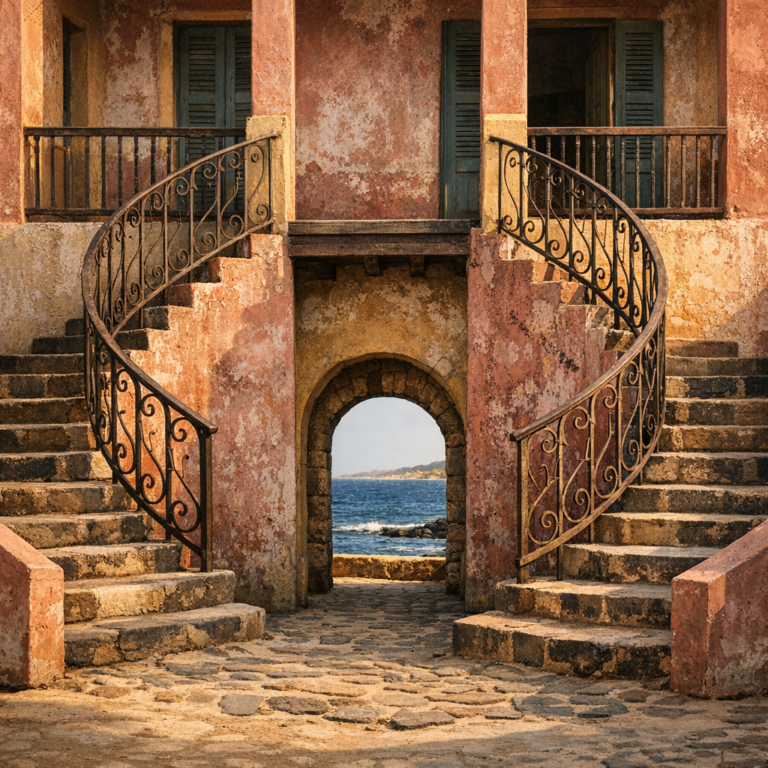
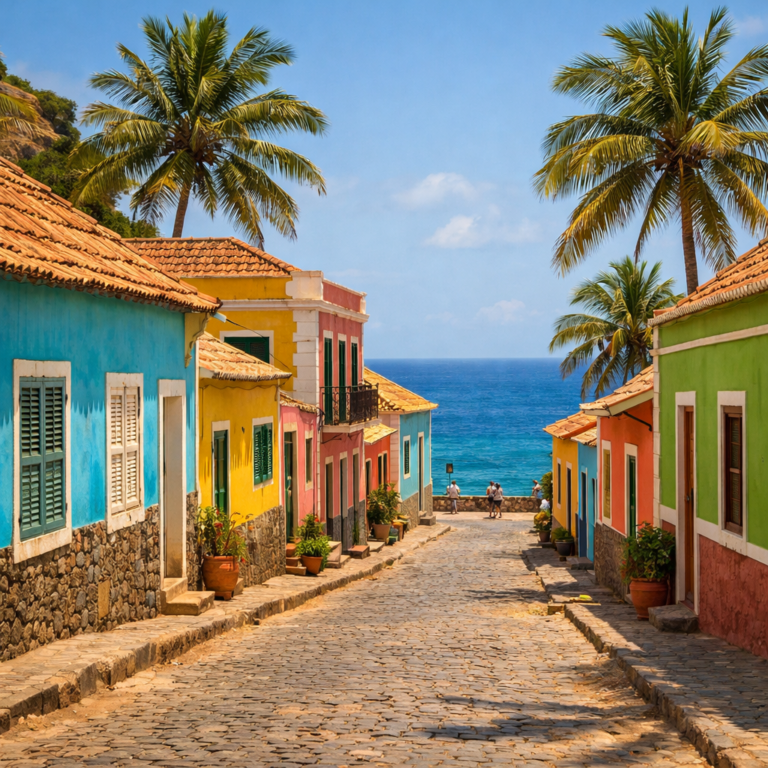
Pelourinho (Historic Center) — A UNESCO World Heritage Site and the best-preserved colonial architecture in the Americas, its pastel townhouses sitting atop the very square where enslaved Africans were once publicly whipped (the name literally means "whipping post"). Today it is reclaimed as the cultural soul of Black Bahia — live drumming circles, capoeira roda, and Afro-Brazilian art galleries fill the same streets.
Igreja de Nosso Senhor do Bonfim — Salvador's most iconic church, where Catholic saints and Yoruba orixás are quietly worshipped side by side (Senhor do Bonfim is syncretized with Oxalá). The colorful fitas (wish ribbons) tied to the gates outside are a Bahian tradition travelers are welcome to take part in — tie three knots, make three wishes, and let the ribbon wear away on its own.
Casa do Benin — A cultural center in Pelourinho dedicated entirely to the historic ties between Bahia and the Republic of Benin, tracing the direct lineage between West African Fon and Yoruba peoples and their Bahian descendants. One of the clearest, most explicit diaspora-connection sites in the city.
Mercado Modelo — Built atop the former customs house where enslaved people were once processed upon arrival, the market today is a center for Afro-Brazilian crafts, capoeira performances, and street food — a site of profound historical weight repurposed as a space of Black commerce and culture.
Forte de Santo Antônio & the Afro-Brazilian Museum (MAF-BA) — Housed in the old medical school building, MAF-BA holds one of the most important collections of Afro-Brazilian religious and cultural artifacts anywhere in the country, including the celebrated carved wooden panels depicting orixás.
Experience the Culture
Watch a Capoeira Roda — Nightly in Pelourinho, informal circles form where practitioners play berimbau, sing call-and-response songs in Portuguese, and spar in the flowing, acrobatic martial art. Academies like Capoeira Angola Centre offer visitor classes if you want to do more than watch.
Attend a Candomblé Ceremony — With respect and the right introduction (a local guide or terreiro-affiliated contact is essential — this is not a tourist attraction, it's an active faith), visitors can occasionally observe public Candomblé festivals, especially around Yemanjá's February 2 celebration on Rio Vermelho beach, when thousands of Bahians dress in white and send offerings out to sea for the orixá of the ocean.
Follow the Bahian Carnival Circuit — Salvador's Carnival, held the same week as Rio's, is arguably the more authentically Afro-Brazilian of the two — built around trio elétrico sound trucks and Black blocos like Ilê Aiyê (the first all-Black carnival group in Brazil, founded in 1974 in direct response to being barred from other blocos) and Olodum. It is loud, massive, and unmistakably rooted in Black pride.
Where to Eat — Must Try
Acarajé — Bahia's signature street food: black-eyed pea fritters deep-fried in dendê (palm) oil, split open and stuffed with vatapá, caruru, and dried shrimp. Sold almost exclusively by Baianas — Black women in traditional white hoop dresses and turbans, many of whom have sold acarajé at the same corner for generations. It is also a Candomblé offering food, tied directly to Yemanjá and Oxum.
Moqueca Baiana — A rich seafood stew built on dendê oil and coconut milk, tomatoes, peppers, and cilantro, served bubbling in a clay pot. The direct culinary descendant of West African fish stews, carried across the Atlantic and reborn in Bahian kitchens.
Vatapá and Caruru — Thick, dendê-based purees of bread, shrimp, peanuts, and cashews (vatapá) or okra, shrimp, and palm oil (caruru) — dishes with direct lineage to Yoruba and Fon cooking traditions, both sacred offering foods in Candomblé.
Where to eat it: Restaurante do Senac in Pelourinho runs a legendary Bahian buffet in a converted colonial building; Casa de Tereza in Rio Vermelho is beloved for home-style moqueca; and the acarajé stands along Rio Vermelho's waterfront (particularly Cira's stand) are considered the best in the city.
Where to Stay
Luxury: Fasano Salvador and Fera Palace Hotel both occupy restored colonial buildings in Pelourinho with rooftop pools overlooking the Bay of All Saints — sophisticated, design-forward properties that put you inside the historic center.
Mid-Range: Villa Bahia and Aram Yamí are boutique guesthouses inside converted Pelourinho townhouses, offering character and location at a fraction of five-star pricing.
Budget: Rio Vermelho and Barra neighborhoods offer clean, well-located guesthouses and pousadas from $30–50/night, both within easy reach of beaches, nightlife, and the historic center by rideshare.
🏨 Book Salvador Hotels →Getting There
Deputado Luís Eduardo Magalhães International Airport (SSA) connects to Salvador via one-stop itineraries from most major US and European hubs, typically routing through São Paulo (GRU) or Rio de Janeiro (GIG) on Latam, American, or United. Direct flights from Miami to Salvador are seasonal via Latam and Copa. Expect 11–15 hours total travel time from the US East Coast.
Important 2026 update: Brazil now requires a paid electronic visa (eVisa) for US, Canadian, and Australian citizens, in effect since April 2025. The eVisa costs approximately $80.90 USD, is applied for online at brazil.vfsevisa.com, and should be submitted at least two to three weeks before departure. Do not book non-refundable travel until your eVisa is approved.
✈️ Find Salvador Flights →Best Time to Visit
December through February brings peak heat, festival season, and the highest prices — this is when Réveillon (New Year's) and Carnival (February or March, depending on the year) draw the largest diaspora crowds. September through November offers a gentler shoulder season: warm, dry, and dramatically less crowded, with lower hotel rates. Avoid late April through June if you want to minimize rain.
Budget Guide
Budget: $60–90/day — pousada or guesthouse, street food and local restaurants, public transit and rideshare, free historic sites.
Mid-range: $120–200/day — boutique hotel, sit-down restaurants, guided cultural tours, entry fees.
Luxury: $300+/day — five-star colonial-conversion property, private guides, fine dining, premium Carnival packages.
BTN Insider Tips
Learn basic Portuguese greetings. English is far less common here than in Rio or São Paulo — a little Portuguese effort goes a long way with Bahians, who are famously warm once you make the attempt.
Approach Candomblé with respect, not curiosity. This is a living faith, not a performance. Go with a local guide or a personal introduction, dress modestly, and follow instructions from practitioners exactly.
Carry cash for acarajé and market stalls. Many of Salvador's best food experiences are cash-only, small-vendor transactions.
Pelourinho is safest by day; use rideshare at night. Like most Brazilian cities, petty theft is the primary risk — leave valuables at the hotel, use Uber after dark, and stay aware in crowded festival settings.
Get your eVisa early. Processing has taken up to two weeks for some travelers since the April 2025 policy change — build in buffer time.
Is Salvador Safe for Black Travelers?
Salvador presents standard urban-Brazil safety considerations — petty theft and opportunistic crime in tourist areas — rather than any risk specific to Black travelers; if anything, Black visitors frequently report feeling more at ease and more at home in Salvador than in almost any other international destination, given the city's overwhelming Black majority and deep cultural familiarity. Use the same precautions you would in any major city: stay alert in crowds, avoid displaying expensive jewelry or electronics, and take rideshare rather than walking alone late at night, particularly around Carnival.
Mark Your Calendar
- February 2 — Festa de Yemanjá, Rio Vermelho beach — thousands of Bahians in white honoring the orixá of the sea
- February/March (date varies) — Salvador Carnival — six days of trio elétrico parades and Black bloco culture
- June — Festas Juninas — traditional forró music and bonfire festivals across Bahia
- December 31 — Réveillon — Bahia's massive beachfront New Year's celebration
Book Your Salvador Trip
Salvador da Bahia does not ask you to imagine what an unbroken African diaspora culture might look like. It shows you, on every street corner, in every drumbeat, in every plate of moqueca. Come see it for yourself.
✈️ Book Your Salvador Trip Now →*Affiliate links — BTN may earn a commission at no extra cost to you.