The Drum That Was Never Supposed to Exist
Pick up almost any flamenco record, walk into almost any Latin jazz club, watch almost any percussion ensemble anywhere in the world, and there's a good chance you'll hear a cajón — the wooden box drum a player straddles like a stool, slapping its front face for a deep bass thump and a sharp, snare-like crack. It sounds ancient and universal, like it must have always existed. It didn't. The cajón was built by enslaved and freed Afro-Peruvians on the coastal cotton and sugar haciendas south of Lima, in a farming region most international travelers have never heard of: Chincha, and specifically the small district of El Carmen.
El Carmen doesn't market itself the way Lima or Cusco does. There's no Machu Picchu here, no glossy hotel row. What there is, instead, is the single most important living center of Afro-Peruvian culture on the planet — a place where the music, dance, food, and history of Peru's Black population were forged, preserved, and are still performed today, in the streets, in family courtyards, and in a festival every February that turns the whole district into one long celebration.
El Carmen: Where Afro-Peruvian Culture Never Stopped Beating
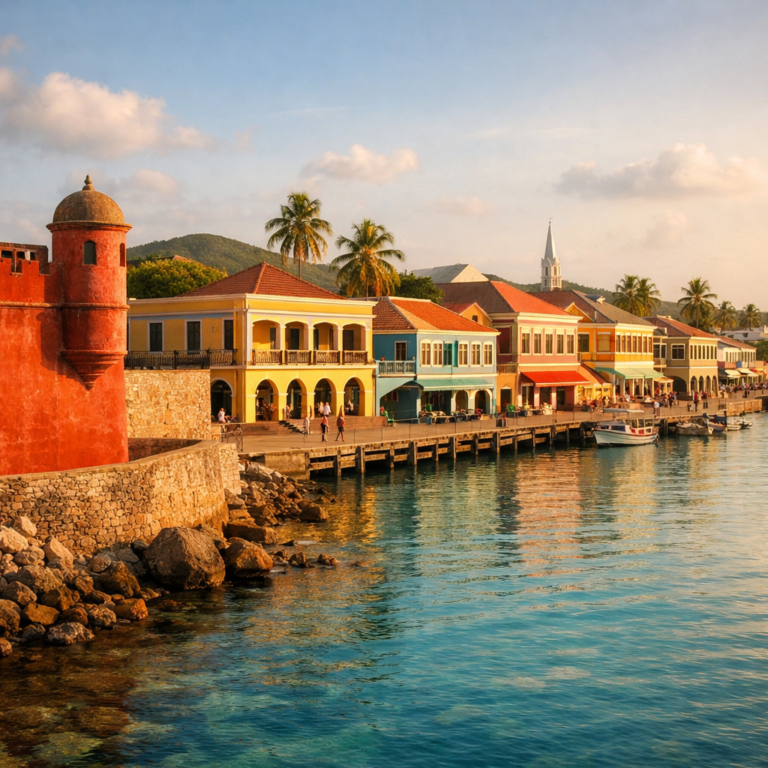
El Carmen sits inland from the Pan-American Highway, in the Chincha province of the Ica region, about three hours south of Lima. It's a farming district — cotton fields, small vineyards, dusty roads — and on the surface, an unremarkable stop between the capital and the more famous desert oasis of Huacachina. But historians, musicologists, and Black Peruvians themselves consistently point to El Carmen and the broader Chincha/Cañete coastal corridor as the cultural heartland of Afro-Peruvian identity.
During the colonial period, Chincha's haciendas were worked by enslaved Africans brought to Peru primarily from West and Central Africa. After abolition in 1854, many freed families stayed in the region, and El Carmen in particular became a concentrated, multi-generational community that kept its music, oral traditions, and dance alive largely outside the gaze of Lima's elite culture. That relative isolation, born of marginalization, is a major reason El Carmen's traditions survived so intact. Families like the Ballumbrosio clan turned their homes into informal cultural schools, teaching festejo rhythms and cajón technique to children the way other households might teach a trade.
The Cajón: An Instrument Born of Resistance
The most widely accepted history places the cajón's development in coastal Peru during the height of the slavery era, with the instrument's popularity cresting by around 1850. Two explanations for its origin are usually offered, and they aren't mutually exclusive. The first holds that enslaved Afro-Peruvians adapted box-shaped percussion traditions carried over from West and Central Africa, particularly Angola, using whatever materials were on hand — often literal shipping and produce crates from the ports where many worked. The second holds that the box shape was a deliberate act of subversion: Spanish colonial authorities periodically banned drums in African and Afro-descendant communities, fearing that drumming could be used to communicate or organize rebellion, so musicians built a drum that could pass, in plain sight, as ordinary furniture or cargo.
Either way, the cajón is a direct product of ingenuity under constraint — an instrument invented by people who were told they could not have one. It remained a specifically Afro-Peruvian folk instrument for over a century before the wider world discovered it. That happened largely through Peruvian percussionist Caitro Soto, who introduced the cajón to visiting Spanish flamenco guitarist Paco de Lucía in the 1970s; within a few years it had become a standard fixture of flamenco ensembles, and from there spread into Latin jazz, singer-songwriter accompaniment, and pop percussion worldwide. Almost nobody playing one today knows it was born on a hacienda in Chincha.
Festejo, Landó, and Zamacueca: The Rhythms of the Coast
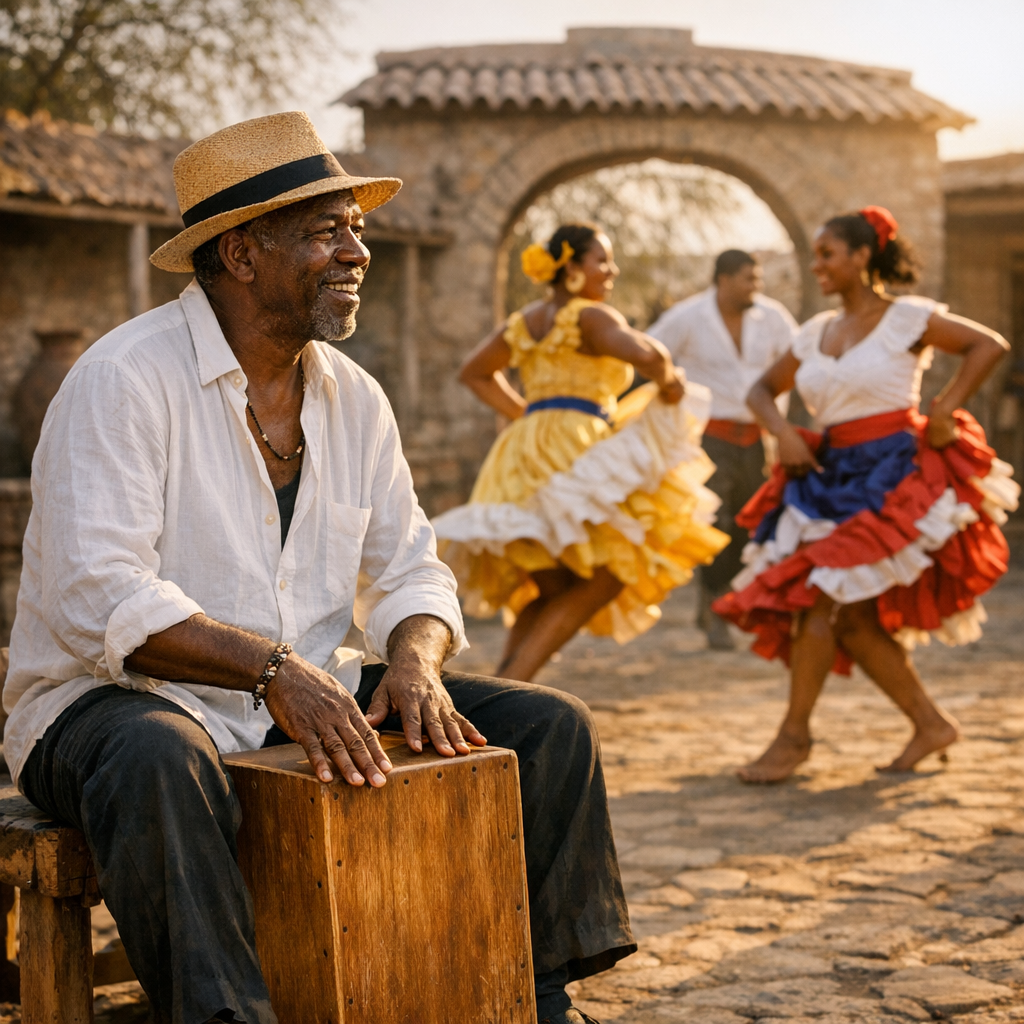
The cajón didn't develop in isolation — it's the rhythmic backbone of a whole family of Afro-Peruvian musical and dance forms, and El Carmen (along with nearby San Luis de Cañete) remains one of the few places where they're still performed in their most traditional form. Festejo is the best known: a high-energy, celebratory style whose name comes from the Spanish for "celebration," built around competitive, improvisational dancing that many scholars connect to the emancipation of enslaved Peruvians. Landó is slower and more sensual, built on hip and shoulder movement, with roots some researchers trace to Angolan dance traditions. Zamacueca, older still, is a courtship dance from which several other Latin American folk dances descend.
These traditions were nearly lost to obscurity in the early 20th century before being deliberately revived and popularized by siblings Nicomedes and Victoria Santa Cruz, and later by the ensemble Perú Negro, whose international touring (including releases through David Byrne's Luaka Bop label) introduced Afro-Peruvian music to global audiences in the 1990s and 2000s. In El Carmen today, you can still see festejo and landó performed close to the way they were a century ago — in family courtyards, at local peñas (music clubs), and, most spectacularly, during the district's signature festival.
Festival de Verano Negro: Late February's Biggest Party
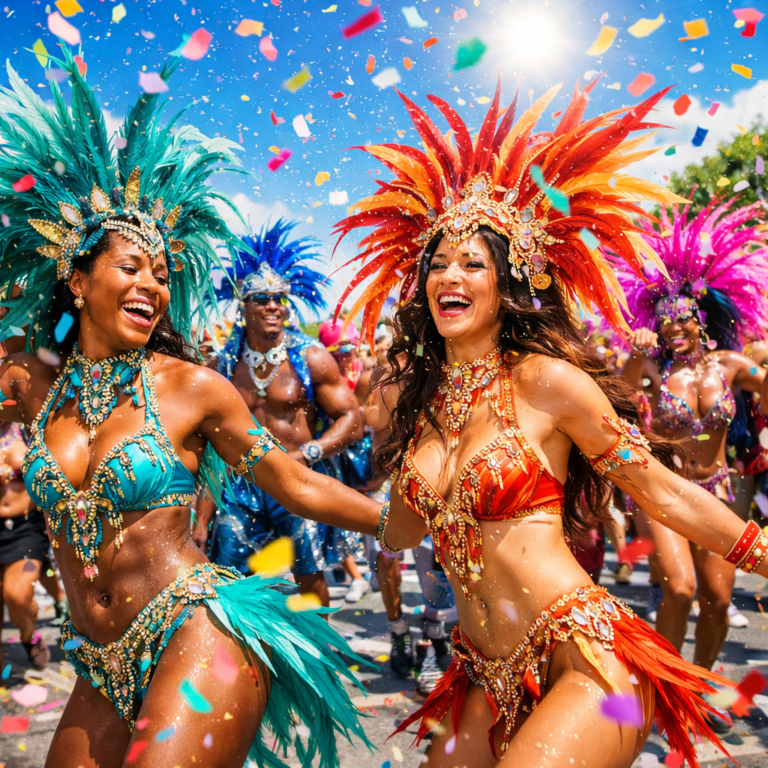
Every year in late February, El Carmen hosts the Festival de Verano Negro (the Black Summer Festival), several days of nonstop music, dance, and food that draws Afro-Peruvian families, folklorists, and a growing number of diaspora travelers back to the district's dusty central square. Cajón circles form organically in the streets. Dance troupes in full festejo dress perform late into the night. Home cooks sell carapulcra and other Afro-Peruvian specialties from front-yard stalls. It is, without exaggeration, one of the best windows any traveler has into Afro-Peruvian culture as it's actually lived, rather than as it's staged for tourists elsewhere in the country.
Because exact dates shift slightly year to year and are set locally, confirm the current festival schedule with the Chincha tourism office or a Lima-based tour operator a few weeks before you travel, and book accommodations in Chincha Alta or El Carmen well in advance — the district's lodging is limited and fills up fast during festival week.
Hacienda San José: History That Demands Reverence
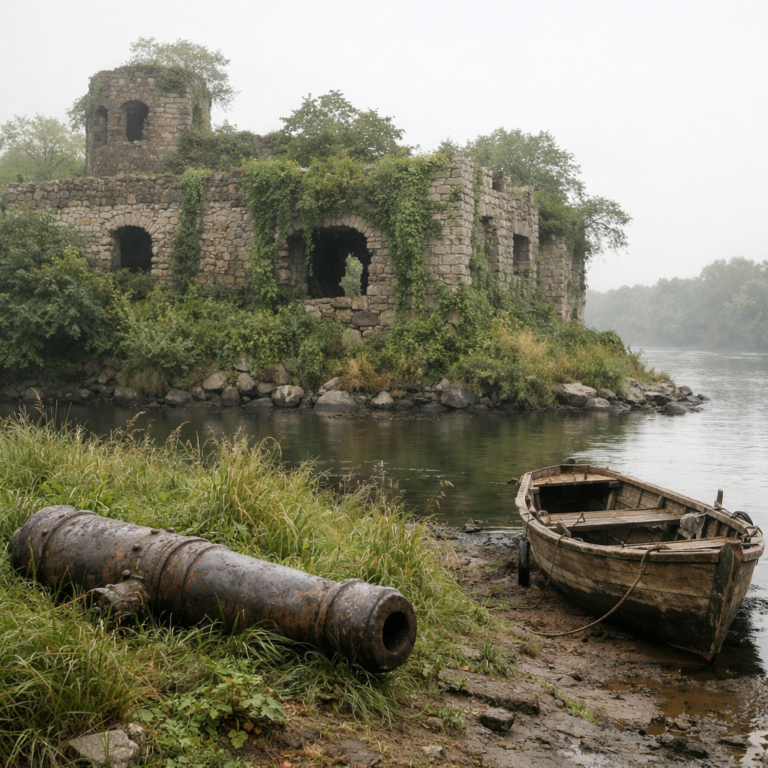
A short drive from El Carmen, in the town of San José, stands one of Chincha's former sugar and cotton haciendas, today operated as a historic hotel. Beneath the main house runs a network of stone tunnels and chambers dating to the colonial period, long associated with the confinement and control of enslaved people on the property. Local accounts describe the tunnels as having restricted enslaved workers' movement and, according to some oral histories, having doubled as an escape route toward the coast for those who fled.
At various points, sections of these catacombs have been opened to overnight guests and day visitors as part of a guided historical tour. We want to be direct with you here rather than treat this as a curiosity stop: this is a site of real, documented human suffering, and its value to travelers is as a place of remembrance and honest reckoning with Peru's history of slavery — not as a novelty attraction. If you plan to visit, go with a guide who presents the history with real depth and context, hold the same gravity you would bring to any former site of bondage, and confirm current access, hours, and tour availability directly with the hacienda or a licensed Chincha-area tour operator before you travel, since public access to the tunnels has changed over time and can change again.
Where to Eat
Carapulcra con sopa seca — Chincha's signature dish and arguably the most iconic Afro-Peruvian meal in the country: dried, rehydrated potato stewed with pork and peanuts, served alongside a dry noodle "soup" seasoned with basil. Local tradition credits its invention to enslaved and freed cooks working with limited, preserved ingredients, and it remains a point of fierce local pride.
Frejol colado — a thick, sweetened black bean puree served as a side or dessert, distinctly Afro-Peruvian in origin and rarely found outside this region.
Anticuchos — skewered, marinated beef heart, grilled street-side across the Chincha area; a Peruvian classic with strong Afro-Peruvian culinary roots.
Fresh coastal seafood — Chincha sits near the coast, and ceviche, chupe de camarones (shrimp chowder), and grilled fish are widely available and excellent.
Pisco — the Ica region, home to Chincha, is one of Peru's two major pisco-producing zones. A stop at a local bodega (distillery) for a tasting pairs easily with a day trip to El Carmen.
Where to Stay
Lodging in El Carmen itself is limited and simple — small family-run guesthouses and homestays, several run by the same cultural families who teach festejo and cajón. For more comfort, base yourself in Chincha Alta, the provincial capital a short drive away, or make El Carmen a day trip from Lima or from the beach town of Paracas, about 90 minutes further south.
🏨 Book Chincha & Ica Region Hotels →Getting There
Fly into Jorge Chávez International Airport (LIM) in Lima, which has direct connections from Miami, New York, Atlanta, Houston, and Los Angeles, plus one-stop options from most major US cities. From Lima, Chincha is roughly three to three-and-a-half hours south on the Pan-American Highway South — reachable by rental car, private tour transfer, or comfortable long-distance buses (Cruz del Sur and Oltursa both run this route multiple times daily). El Carmen itself is another 15–20 minutes inland from Chincha Alta by taxi or colectivo.
✈️ Find Flights to Lima →Getting Around
A rental car gives you the most flexibility for exploring El Carmen, San José, and the surrounding haciendas at your own pace. If you'd rather not drive, hire a taxi driver in Chincha Alta for a half or full day, or book a guided day trip from Lima or Paracas that bundles transport, a local guide, and lunch. Mototaxis handle short hops within El Carmen itself.
Best Time to Visit
Late February is the obvious pick if the Festival de Verano Negro is your priority — it's also peak Peruvian coastal summer, hot and sunny. Outside festival season, the shoulder months of April through June and September through November offer milder temperatures, thinner crowds, and easier access to family-run cultural visits, since hosts aren't stretched thin by festival demand.
Budget Guide
- Budget: $40–70/day — guesthouse or homestay lodging, market and street food, bus travel from Lima, low-cost cultural visits.
- Mid-range: $90–150/day — comfortable hotel in Chincha or Paracas, rental car or private driver, guided cultural tours, restaurant meals.
- Luxury: $200+/day — boutique hacienda-hotel stay, private guide well-versed in Afro-Peruvian history, customized day trips pairing El Carmen with Paracas or the Ballestas Islands.
BTN Insider Tips
- Go for the culture, not just the festival. El Carmen's cultural families sometimes welcome respectful visitors for cajón demonstrations and dance outside of festival week — arrange this in advance through a local guide rather than showing up unannounced.
- Bring cash. Small guesthouses, family hosts, and street food vendors in El Carmen and Chincha Alta are largely cash-only.
- Learn the names before you go. Nicomedes and Victoria Santa Cruz, Perú Negro, and the Ballumbrosio family are the reference points that will unlock deeper conversations with local musicians and dancers.
- Pair it with Paracas. The desert oasis of Huacachina and the wildlife-rich Paracas National Reserve are both within about 90 minutes, making an easy multi-day south coast itinerary.
- Approach Hacienda San José with intention. If you tour the catacombs, go with a guide who treats the history with the seriousness it deserves, and confirm current access before you plan around it.
Is Peru Safe for Black Travelers?
Peru is a well-established, safe destination for international tourism, and the Chincha/Ica region specifically is calm, rural, and low-crime compared to parts of Lima. Black travelers visiting El Carmen in particular are entering a majority-Afro-Peruvian community that takes visible pride in its heritage and is generally warm toward visitors who show genuine interest and respect. As anywhere, use standard precautions in Lima before and after your trip south, keep valuables secure on long-distance buses, and travel with a reputable guide for hacienda and rural visits.
Visa & Entry Requirements
US citizens do not need a visa for tourism to Peru. Entry is visa-free, and Peruvian immigration can authorize tourist stays of up to 183 days, with the exact length granted at the discretion of the border officer at entry. A passport valid for at least six months beyond your entry date, with a blank page available for the entry stamp, is required. Confirm current requirements before you fly with the US State Department's Peru travel page.
Mark Your Calendar
- Late February — Festival de Verano Negro, El Carmen's biggest Afro-Peruvian music, dance, and food celebration.
- October — Señor de los Milagros (Lord of Miracles) processions across the region, one of Peru's largest religious observances with deep roots in Afro-Peruvian devotion.
- Year-round — Family-run peñas in El Carmen host festejo and landó performances most weekends; ask locally or arrange through a guide.
Book Your Trip
El Carmen isn't a detour from Peru's highlight reel — for anyone who cares about the full, unflattened story of the African diaspora in the Americas, it is the highlight reel. Go for the cajón. Go for the carapulcra. Go to stand in a courtyard where the rhythms never stopped, and to reckon, honestly, with the history that made them.
✈️ Book Your Peru Trip Now →*Affiliate links — BTN may earn a commission at no extra cost to you.