The Canal Everyone Knows. The Builders Almost No One Names.
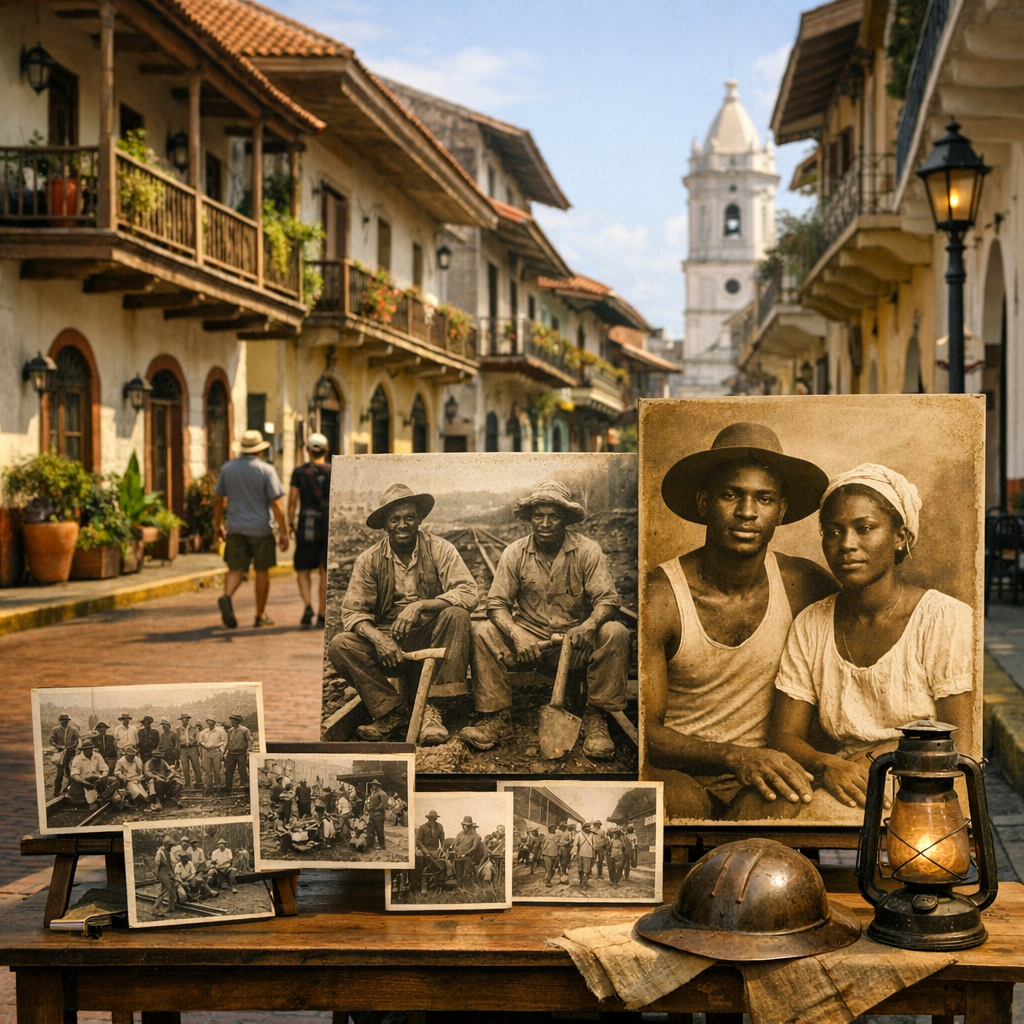
Every schoolchild learns that the Panama Canal is one of the great engineering feats of the modern world — fifty miles of locks and channels cut through jungle and mountain, connecting the Atlantic to the Pacific. Far fewer learn who actually dug it. The overwhelming majority of the labor force that built the Panama Canal, and the railroad that came before it, was Black — West Indian men recruited by the tens of thousands from Barbados, Jamaica, and other Caribbean islands, who left home for a wage and a promise and, in staggering numbers, never made it back.
Panama City doesn't hide this history. It has a museum built for it, a national day of observance named for it, and entire neighborhoods — from Casco Viejo's edges to El Marañón and Río Abajo — where Afro-Antillean culture, food, and language are still very much alive. This is a trip for anyone who wants to understand where the Canal really came from, and who is still here because of it.
The West Indian Labor Migration: Railroad, Then Canal
The story starts earlier than most people assume. In the 1850s, the Panama Railroad Company built the first transcontinental railroad in the Americas across the isthmus, and it relied heavily on Caribbean labor. The human cost was brutal: historians estimate that somewhere between 6,000 and 12,000 workers died building that railroad, felled by cholera, malaria, and yellow fever in the tropical lowlands — a death toll so severe it became grimly folkloric, with local lore claiming there was "a dead man for every railroad tie."
When the French attempted to build the canal starting in 1881, they assembled a workforce that by 1888 numbered roughly 40,000 people — nine out of every ten of them Afro-Caribbean workers from the West Indies. Disease again devastated the project: more than 22,000 workers are believed to have died before the French effort collapsed in bankruptcy and scandal in 1889.
The United States took over construction in 1904 and completed the canal in 1914, and once again the labor was overwhelmingly West Indian — especially Barbadian. Estimates commonly cited by historians put the number of West Indian laborers recruited during this era at more than 150,000, drawn mainly from Barbados and Jamaica but also from Martinique, St. Lucia, and other islands. Even under improved American-era sanitation and medical practices, roughly 5,600 workers died from disease and accidents during the 1904–1914 build — the vast majority of them West Indian, compared to around 350 American deaths.
The inequity didn't end at the death toll. The Canal Zone operated under an openly segregated "gold roll and silver roll" pay system: white American employees were paid in gold at higher rates with better housing and privileges, while Black West Indian laborers were paid in silver, at lower wages, and confined to separate, inferior housing, hospitals, and commissaries. It was Jim Crow, transplanted to the tropics and written directly into a US government payroll system.
When the canal opened in 1914, tens of thousands of West Indian laborers and their families stayed rather than return to islands with little economic opportunity waiting for them. They settled permanently in Panama City, Colón, and towns along the canal, and their descendants — known in Panama as Afro-Antillanos, or Afro-Antilleans — became one of the most significant Black communities in Central America.
The Museo Afroantillano de Panamá
If you visit one site in Panama City to understand this history, make it the Museo Afroantillano de Panamá, in the El Marañón neighborhood near Calidonia. The museum is housed in a fittingly symbolic building: a former Christian Mission chapel built between 1909 and 1910 by Protestant congregations from Barbados, serving the very West Indian canal workers whose story it now tells. The chapel later fell out of use before the anthropologist Dr. Reina Torres de Aráuz founded the museum inside it on December 23, 1980. It is administered today by Panama's National Institute of Culture (INAC).
Inside, the museum is intimate and specific rather than grand — and that's exactly its power. Exhibits include recreated domestic scenes of West Indian life in the Canal Zone era (period bedroom and kitchen dioramas), a diorama depicting canal excavation work complete with rail track and a scale metal dump truck, vintage photographs of laborers and their families, scale models of the wooden rental houses West Indian workers lived in, and even surviving commissary coupon books used in the segregated "silver roll" company stores. It is one of the only museums in the world built specifically around the memory of West Indian canal labor migration, and it rewards travelers who take the time to read every placard.
Plan ahead: like many small heritage museums in Panama, the Museo Afroantillano's operating hours and admission fees can shift, and it has been known to close for renovation or limited hours at times. Confirm current hours, admission cost, and open days directly with INAC or through your hotel concierge before you build your day around it — but treat the trip there as essential, not optional.
Día de la Etnia Negra: May 30
Panama formally observes May 30 as Día de la Etnia Negra — National Black Ethnicity Day — a day established by national law to recognize the historical contributions of Black Panamanians, both the descendants of colonial-era enslaved and maroon (cimarrón) communities and the later Afro-Antillean population brought by railroad and canal labor migration. It is not typically a non-working public holiday in the way Christmas or Independence Day is, but it is marked nationally with cultural events, school programs, panel discussions, concerts, and heritage celebrations, particularly strong in Panama City and Colón. If your trip lines up with late May, look for public programming tied to the day — it's one of the best windows of the year to encounter Afro-Panamanian history being actively celebrated rather than just displayed behind glass.
Afro-Antillean Culture in Panama City Today
The Afro-Antillean influence on modern Panama City is not a museum piece — it's a living current running through the city's language, food, and sound. English-based Panamanian Creole (heavily related to Jamaican Patois) is still spoken in Afro-Antillean families, especially among older generations in neighborhoods like Río Abajo and Colón. Protestant church traditions brought by Caribbean migrants remain strong in these same communities, a direct contrast to Panama's broader Catholic majority.
Musically, Afro-Antillean Panama gave the country calypso, and later became one of the key crucibles for the birth of reggae en español (Spanish-language reggae) in the late twentieth century, as Jamaican-descended youth in Panama City and Colón began toasting and singing dancehall and reggae rhythms in Spanish decades before the genre exploded internationally as reggaetón. Panama's claim as a birthplace of Spanish-language reggae is a point of real cultural pride, and directly traceable to the West Indian migration this article is about.
Where to Eat: Afro-Antillean Flavors
- Patí — The Panamanian cousin of the Jamaican beef patty, a flaky, turmeric-yellow pastry filled with spiced beef or chicken, sold at bakeries across the city and a direct culinary import from West Indian migrants.
- Rice and beans in coconut milk — Cooked low and slow in coconut milk rather than plain water, this is an Afro-Antillean staple distinct from mainland Panamanian rice dishes, often served alongside stewed chicken or fish.
- Saltfish and escovitch fish — Salted, dried fish and vinegar-pickled fried fish, both direct Caribbean imports still found on Afro-Antillean tables in Panama City and Colón.
- Tamarind balls and ginger beer — Sweet-tart tamarind candy and spiced, fermented ginger beer, sold by Afro-Antillean vendors and at cultural festivals, especially around May 30.
- Johnny cake — A dense fried or baked cornmeal bread found throughout the West Indies and transplanted directly into Panamanian Caribbean cooking.
Look for small, family-run comedores in Río Abajo and Calidonia rather than tourist-zone restaurants — this is home cooking passed down through generations of canal-worker descendants, not a curated food-tour experience.
🏨 Book Panama City Hotels →Getting There
Tocumen International Airport (PTY) is Copa Airlines' major hub and one of the best-connected airports in Latin America, with direct flights from Miami, New York (JFK), Houston, Atlanta, and other US gateway cities running roughly 3–6 hours. Because Copa uses Panama as its regional hub, PTY also offers easy onward connections across the Caribbean and Latin America — making Panama City a smart stopover if you're combining this trip with other diaspora history destinations in the region.
✈️ Find Panama City Flights →Getting Around
Panama City has Uber, metered taxis, and a clean, modern Metro (Lines 1 and 2) that is inexpensive and air-conditioned. Casco Viejo, the historic old town, is highly walkable. El Marañón, home to the Museo Afroantillano, is best reached by rideshare or taxi rather than on foot from Casco Viejo. As in any large Latin American capital, use rideshare rather than street-hailed taxis after dark.
Best Time to Visit
Panama's dry season runs roughly December through mid-April, and it's the most comfortable and popular window for travelers — consistent sunshine, lower humidity, and easy movement around the city and canal sites. The rainy season (May through November) brings dramatic afternoon downpours but also lush green landscapes and thinner crowds. If you're timing your trip around Día de la Etnia Negra on May 30, you'll be traveling right at the edge of rainy season — pack accordingly, but don't let it deter you; mornings are typically clear.
Budget Guide
Budget: $60–90/day — guesthouse or hostel, local comedores, Metro and Uber for transport, free or low-cost museum admission.
Mid-range: $120–220/day — boutique hotel in Casco Viejo, restaurant dining, canal tours, private transport.
Luxury: $300+/day — five-star waterfront property, private guided heritage tours, fine dining.
BTN Insider Tips
Go to the Museo Afroantillano with a guide or at least a translator app handy. Some placards are in Spanish only, and the context deepens enormously with a knowledgeable guide.
Pair the museum with Casco Viejo. The historic old town and the Afro-Antillean story are geographically close and historically intertwined — many Afro-Antillean laborers and their descendants lived on Casco Viejo's edges.
Ask about reggae en español history locally. Panama City's role in the birth of Spanish-language reggae is a point of pride many Panamanians — especially Afro-Antillean Panamanians — love to talk about.
The US dollar works everywhere. Panama uses the US dollar alongside its own Balboa, pegged 1:1, so there's no currency exchange needed for American travelers.
Time your trip around May 30 if heritage programming matters to you — but confirm specific event details locally, since programming varies year to year.
Is Panama City Safe for Black Travelers?
Panama City is one of the more stable and modern capitals in Latin America, with a well-developed tourism infrastructure and a genuinely diverse population — Afro-Panamanians (both Afro-Antillean and colonial-descended Afro-Colonial/Congo communities) make up a significant and visible share of the population, and Black travelers generally report feeling comfortable and unremarkable in the city. As with any major capital, use standard precautions: stick to well-traveled areas at night, use rideshare rather than street taxis after dark, and keep valuables secure on the Metro and in crowded markets.
Entry Requirements
US citizens can enter Panama without a visa for tourism, with current policy permitting stays of up to 180 days — though travelers should always confirm the exact allowance at entry, since limits are strictly enforced and stamped in your passport on arrival. You'll need a passport valid at least three months beyond your arrival date, proof of onward or return travel, and evidence of sufficient funds (commonly cited around $500). Confirm current requirements with the Embassy of Panama or Panama's Migration Service before you travel, since entry policies can change.
Mark Your Calendar
- May 30 — Día de la Etnia Negra (National Black Ethnicity Day) — cultural events and programming citywide
- August 15 — Founding of Old Panama (Panamá la Vieja) anniversary celebrations
- November 3–28 — Panama's month of independence celebrations, including Separation from Colombia (Nov 3) and Independence from Spain (Nov 28), with parades throughout Panama City
Book Your Panama City Trip
The Panama Canal is one of the most celebrated engineering achievements in world history — and it was built, quite literally, on Black backs. Panama City doesn't just remember that. It lives it, in a museum, in a national day of observance, in the food on family tables in Río Abajo, and in the music that came out of Afro-Antillean neighborhoods and eventually reshaped Latin pop music worldwide. Go see the parts of the story the postcards leave out.
✈️ Book Your Panama City Trip Now →*Affiliate links — BTN may earn a commission at no extra cost to you.