Mauritius Doesn't Ask You to Choose Between Paradise and Depth
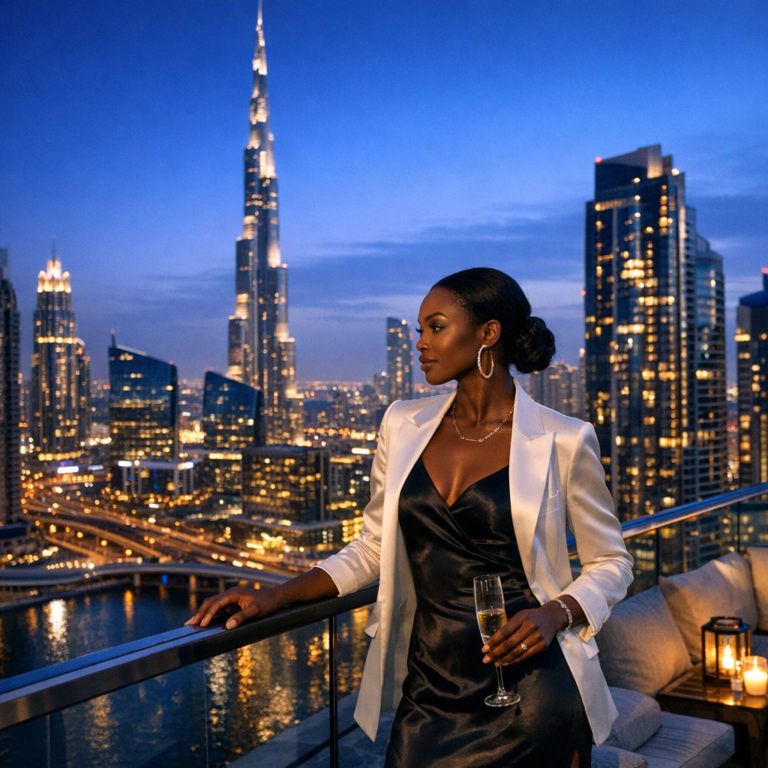
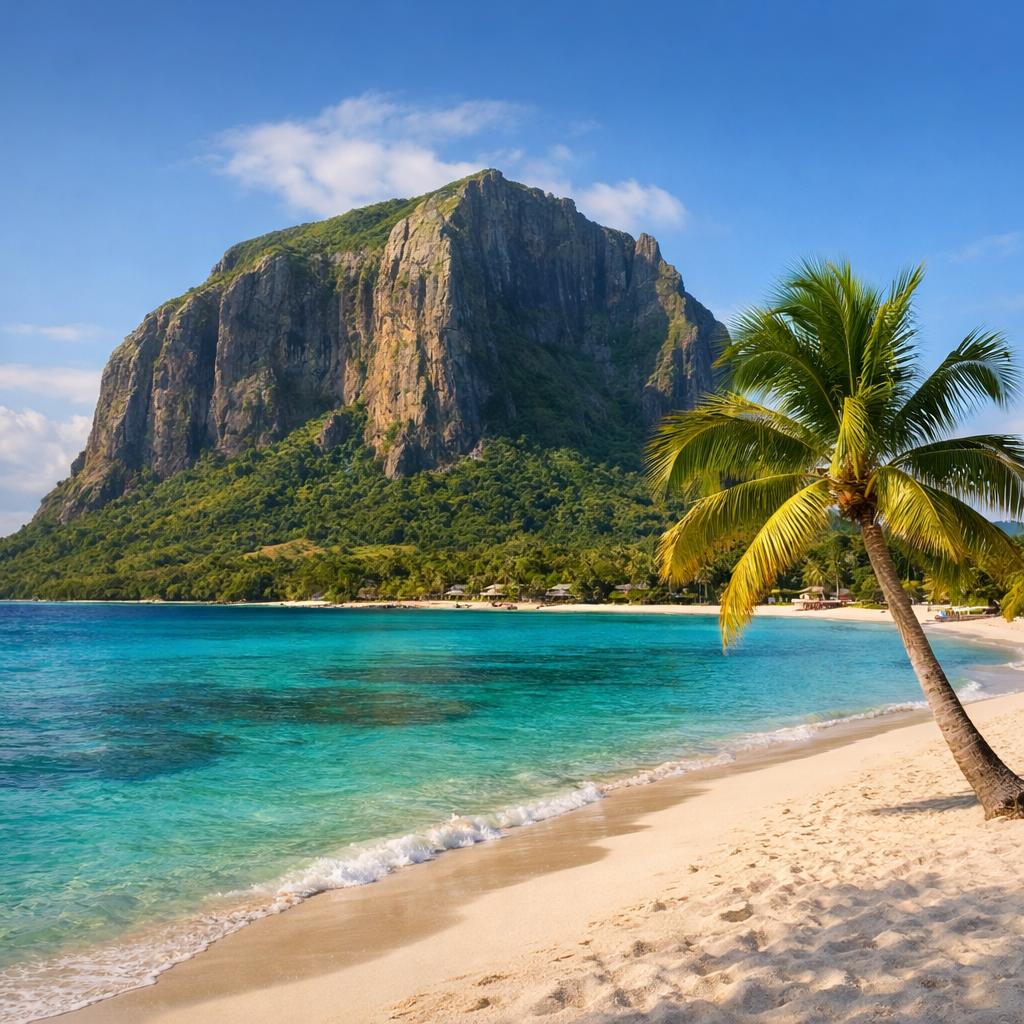
There is a version of Mauritius that lives on Instagram: turquoise lagoons so clear you can count the fish, infinity pools that seem to spill into the Indian Ocean, overwater-adjacent bungalows draped in white linen. That version is real, and it is genuinely one of the most beautiful stretches of coastline on Earth. But there is a second Mauritius — quieter, older, heavier — that most resort guests never encounter. It sits on a basalt mountain on the island's southwestern tip, rising straight out of the sea, holding a history that predates the swim-up bars by two centuries.
Black Travel Now doesn't do "just the beach." So this is Mauritius as it actually is: an easy, visa-free, luxury-tier escape built by the descendants of enslaved Africans, Malagasy people, Indian indentured laborers, and Chinese settlers — with one of the most significant maroon heritage sites in the world sitting a short drive from your resort.
Why Black Travelers Choose Mauritius
Mauritius sells itself as an Indian Ocean honeymoon capital, and the marketing isn't wrong — the beaches at Le Morne, Belle Mare, and Trou aux Biches genuinely compete with anywhere in the Maldives or the Seychelles, usually at a lower price point. But for Black travelers specifically, Mauritius offers something rarer: a population that is majority descended from enslaved and indentured people, a government that has begun publicly reckoning with that past, and a UNESCO World Heritage Site dedicated to the maroons who resisted slavery on this exact island. You can get the honeymoon photos and the history in the same trip. Few Indian Ocean destinations offer both.
The Easiest Visa in the Indian Ocean
Here's the practical win: US citizens do not need a visa to enter Mauritius. On arrival, immigration stamps your passport for a stay of up to 60 days — no application, no embassy visit, no fee. Travelers who want to stay longer can typically apply for an extension of up to an additional 30 days through the Passport and Immigration Office in Port Louis, though requirements can change, so confirm current rules with the Mauritian Embassy or your airline before you fly. You will need a passport valid for your stay, proof of onward travel, and evidence of sufficient funds — standard stuff, but worth having printed rather than assuming an agent will take your word for it.
Le Morne Brabant: The Mountain That Remembers
This is the part of Mauritius most travel brochures skip entirely, and it's the reason this destination belongs on Black Travel Now.
Le Morne Brabant is a dramatic, isolated basalt monolith that rises 556 meters (1,824 feet) almost straight out of the lagoon on Mauritius's southwestern coast. In 2008, UNESCO inscribed the Le Morne Cultural Landscape as a World Heritage Site, recognizing the mountain's role as a refuge for enslaved people — known as maroons — who escaped bondage during the 18th and early 19th centuries. According to UNESCO's own documentation, the mountain's steep, wooded, nearly inaccessible cliffs allowed escaped Africans and Malagasy people to form hidden settlements in caves and on the summit, out of reach of slave hunters. Mauritius itself earned the nickname the "Maroon republic" because of how many enslaved people successfully fled into its mountains and forests.
Here is where we want to be precise, because this is a detail travelers — and even some tour guides — regularly get wrong. The most commonly repeated story about Le Morne involves the abolition of slavery, which took effect in Mauritius on February 1, 1835. As the story is told, police climbed the mountain to inform the maroon community that they were now free — but the group, seeing armed men approaching, believed they were about to be recaptured and, rather than return to bondage, leapt to their deaths from the cliffs into the sea below.
It is a devastating story, and it is the emotional core of why Le Morne matters. But it is important to say plainly: this specific account is oral tradition, not verified documented history. UNESCO's own listing for the site describes the mountain's use as a maroon refuge as supported by "physical and oral evidence," while the dramatic death-leap narrative is passed down through community memory and is widely described by historians as legend rather than a confirmed, documented event. That distinction doesn't make the story less important — oral tradition is exactly how enslaved and formerly enslaved communities preserved histories that colonial record-keepers had no interest in writing down. But it does mean a good guide, and a good traveler, should hold the story as "this is what has been passed down and deeply believed" rather than "this is a court-recorded historical fact." Ask your guide how they present it, and notice the ones who make that distinction clearly — it's a sign of a guide who actually respects the history rather than performing it for tourists.
Since 1987, February 1 has been formally observed in Mauritius as the Annual Commemoration of the Abolition of Slavery, particularly among the Mauritian Creole community, many of whom trace their ancestry directly to the maroons and the enslaved population Le Morne represents. If you're able to time a visit near that date, the commemorations at Le Morne are a genuinely moving way to engage with this history respectfully rather than as a photo backdrop.
A Creole Nation Built From Many Peoples
Mauritius's population today — just over 1.2 million people — reflects the layered history of who was brought here and why. During French colonial rule, enslaved Africans and Malagasy people made up the overwhelming majority of the island's population; by some estimates, enslaved people accounted for roughly 80% of Mauritius's residents in the late 18th century. After Britain abolished slavery in 1835, plantation owners turned to indentured labor from India, and between 1834 and 1921 roughly half a million Indian indentured workers arrived on the island — a history commemorated at Aapravasi Ghat in Port Louis, itself a UNESCO World Heritage Site and the first place in the British Empire designated to receive indentured laborers. Smaller waves of Chinese immigrants arrived as merchants and laborers in the same era. Out of that history, Mauritius developed its own distinct Creole culture and language (Mauritian Kreol, a French-based creole) — spoken across ethnic lines and functioning as the island's true lingua franca alongside English and French.
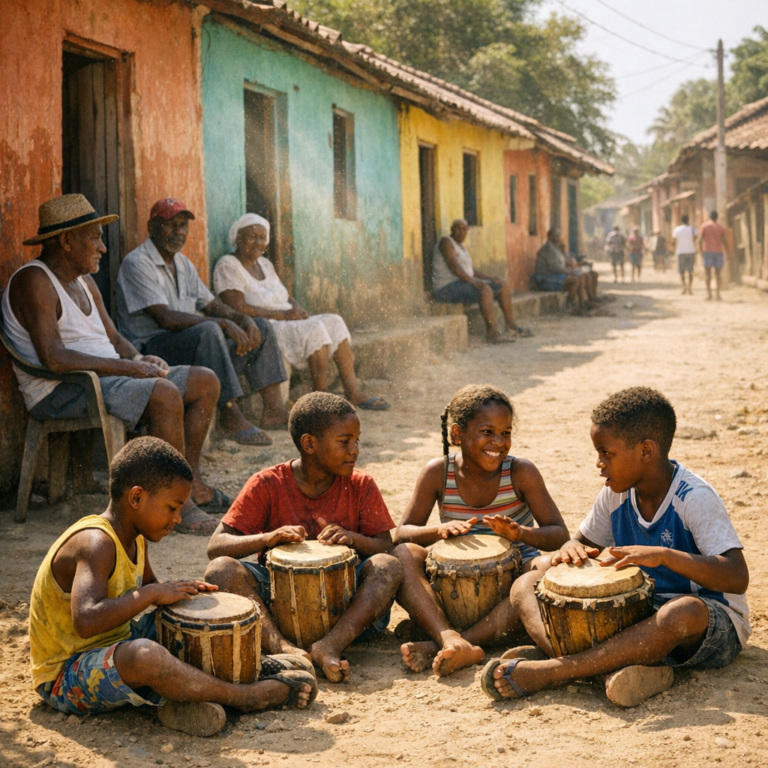
What this means for you as a visitor: Mauritius isn't a monoculture beach resort bolted onto an island. It's a genuinely multicultural nation with African, Malagasy, Indian, and Chinese roots woven through its food, music (look for sega, a dance and music tradition with direct roots in the enslaved and maroon communities), religious festivals, and daily life. Spend time in Port Louis's Central Market and neighborhoods beyond the resort strip and you'll see all of it.
Where to Stay: This Is a Splurge Destination
Be honest with your budget going in — Mauritius is not a backpacker island, and it's not trying to be. This is a splurge and honeymoon-tier destination, and the resort product is the reason people fly this far.
Ultra-Luxury: One&Only Le Saint Géran and Constance Belle Mare Plage anchor the island's east coast with some of the finest overwater-adjacent villas and private-beach experiences in the Indian Ocean. On the southwest coast, resorts near Le Morne itself put Le Morne Brabant's silhouette directly in your infinity-pool view — book a room facing the mountain, not just the lagoon.
High-End Boutique: LUX* Grand Gaube and Shangri-La Le Touessrok offer five-star service with a bit more personality and slightly gentler pricing than the very top tier.
Mid-Range: Independent boutique hotels around Grand Baie and Flic en Flac bring the price down considerably while still delivering genuine beach access and strong service — a smart move for travelers who want the destination without the top-shelf resort bill.
🏨 Book Mauritius Resorts →Must-Try Foods
Dholl puri — Mauritius's unofficial national street food: thin lentil-flour flatbread folded around curry, bean stew, and pickled vegetables. Cheap, everywhere, and essential.
Rougaille — a tomato-based Creole stew, often with fish, sausage, or seafood, that shows up in some form at nearly every home and restaurant table on the island.
Fish vindaye — a tangy, mustard-and-turmeric marinated fish dish reflecting the island's deep Indian culinary influence layered onto Creole technique.
Alouda — a sweet, basil-seed milk drink sold from carts, especially around Port Louis, that's worth trying at least once in the tropical heat.
Getting There
Be realistic about the flight before you book: there are no direct flights from the United States to Mauritius. Every routing involves at least one connection, most commonly through Paris (Air France/Air Mauritius), Dubai (Emirates), or Johannesburg (Air Mauritius/South African Airways). Total travel time from the US East Coast typically runs 18-22 hours including the layover; from the West Coast, expect 22-26 hours. This is a genuine long-haul commitment, which is exactly why Mauritius plays best as a honeymoon, anniversary, or once-a-year splurge trip rather than a long-weekend destination — budget at least 7-10 days on the ground to make the flight time worth it.
✈️ Find Mauritius Flights →Best Time to Visit
Mauritius sits in the Southern Hemisphere, so its seasons run opposite the US. The dry, warm season from May through December is the most reliable window, with less humidity and lower cyclone risk. December through April is hot and humid with the highest cyclone risk (January-March especially); it also happens to be peak holiday season, so expect higher prices despite the weather trade-off. For the best balance of good weather and value, target May, June, September, or October.
Budget Guide
Mid-Range: $250-400/day — boutique hotel, restaurant dining, a few paid excursions and water activities.
Splurge/Honeymoon: $500-900+/day — five-star all-inclusive resort, private catamaran or sunset cruise, spa treatments, premium dining.
Ultra-Luxury: $1,000+/day — top-tier suites and villas, private guides, exclusive experiences at flagship resorts.
BTN Insider Tips
Book a Le Morne guide who leads with nuance, not spectacle. Look for operators affiliated with the Le Morne Heritage Trust Fund, who are trained to present the maroon history — including the oral-tradition caveat on the 1835 story — with accuracy and care.
Rent a car for at least part of your trip. Resorts are wonderful, but Mauritius rewards travelers who get off-property — Chamarel's Seven Colored Earths, Port Louis's Central Market, and Black River Gorges National Park are all worth the detour.
Bring reef-safe sunscreen. Mauritius's lagoons are protected by coral reefs, and several resorts now actively request reef-safe products to protect the marine ecosystem you came here to see.
Pack for two climates. Coastal resort towns are warm and humid; the central highlands and Black River Gorges can be noticeably cooler and wetter.
Is Mauritius Safe for Black Travelers?
Mauritius is consistently rated one of the safest and most politically stable nations in Africa and the Indian Ocean region, with a tourism economy that is deeply dependent on — and generally very welcoming toward — international visitors of all backgrounds. Given the island's own majority-Creole and Indian-descent population, Black travelers are not a rarity here and generally report feeling comfortable and welcomed. As always, use standard precautions with valuables on public beaches, book registered taxis or resort transfers after dark, and check the latest US State Department guidance before you travel.
Mark Your Calendar
- February 1 — Annual Commemoration of the Abolition of Slavery, with observances at Le Morne and across the Creole community
- March 12 — Mauritius Independence and Republic Day
- November — Diwali celebrations across the island, reflecting Mauritius's large Hindu population
- Year-round — Sega music and dance performances at resorts and cultural centers, rooted in the traditions of the enslaved and maroon communities
Book Your Mauritius Trip
Mauritius gives you both halves of a real trip: the postcard lagoon you came for, and a mountain that asks you to remember why freedom was worth dying for. Book the splurge. Just make time for Le Morne.
✈️ Book Your Mauritius Trip Now →*Affiliate links — BTN may earn a commission at no extra cost to you.