Before Carnival, There Was the Windrush
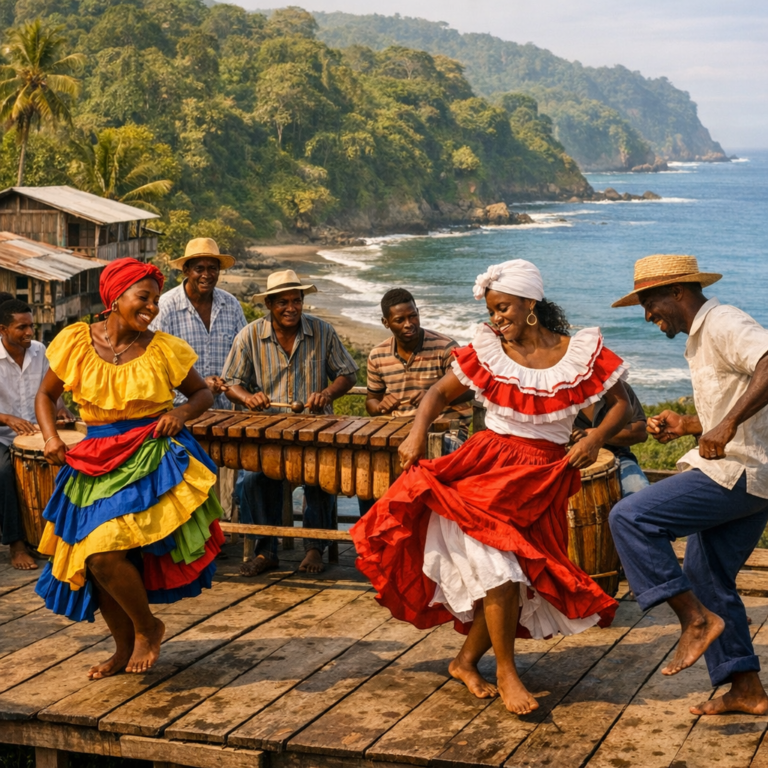
Every August, the sound systems and jerk smoke of Notting Hill Carnival get most of the attention when people talk about Black Britain and London in the same breath. But Carnival is a celebration built on top of a much older story — one that didn't start in West London at all. It started at a dock on the Thames Estuary, on a grey morning in June 1948, when a former German troopship carrying just over a thousand passengers from the Caribbean pulled in and changed the country forever.
This guide is about that older story and where to find it today: Brixton and the pocket of South London where the "Windrush generation" put down roots, built community institutions against real hostility, and left behind a heritage trail that most visitors never think to look for. (If Carnival itself is what brought you to London, BTN's Notting Hill Carnival guide covers that West London story in full — this piece is the other half of London's Black British history, a few miles south.)
The Empire Windrush: What Actually Happened in 1948
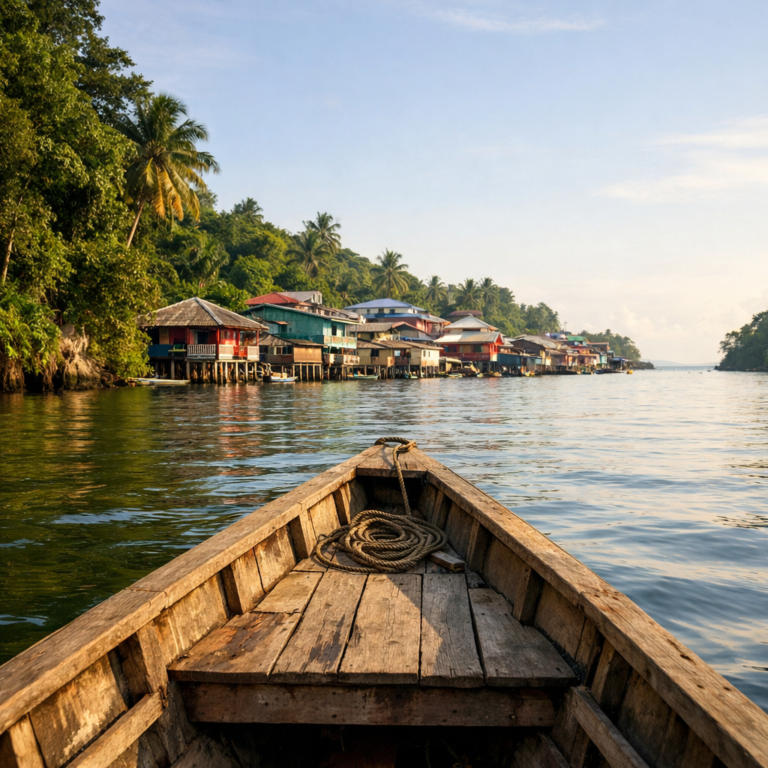
On 22 June 1948, HMT Empire Windrush docked at Tilbury Docks in Essex, just east of London, carrying 1,027 passengers plus two stowaways. More than 800 of them had boarded in the Caribbean — the majority in Jamaica — answering a British government call for workers to help rebuild a country devastated by the Second World War. Around 693 intended to settle in Britain permanently. It wasn't technically the first ship to bring Caribbean migrants to the UK, but the newsreel cameras were waiting on the dock, calypso musician Lord Kitchener sang a song written for the occasion as passengers disembarked, and the Windrush's arrival became the defining symbol of a mass migration that continued for more than two decades and reshaped British life. That's why historians and the community itself now call it the Windrush generation — the hundreds of thousands of Caribbean-born Britons who arrived between 1948 and 1971, well before the 1971 Immigration Act changed the rules for who could stay.
The welcome was complicated from day one. Just two days after the ship docked, a group of Labour MPs wrote to Prime Minister Clement Attlee urging him to halt further "coloured" immigration — a preview of the racism many Windrush-generation Britons would spend the rest of their lives navigating. Roughly 236 male passengers had no housing arranged and were temporarily sheltered a few miles away, underground, in the old Clapham South deep shelter — a former Second World War air-raid shelter converted into a postwar hostel. Many of those men found work through the labour exchange on Coldharbour Lane, in Brixton, and it's that practical detail — a shelter in Clapham, a job center in Brixton — that explains why so many Windrush-generation families ended up building their lives in this specific corner of South London rather than somewhere else entirely.
Windrush Square: Brixton's Living Memorial
The square at the center of Brixton wasn't always called Windrush Square. It began as Brixton Oval, was later renamed Tate Gardens, and only became Windrush Square in 1998, on the 50th anniversary of the ship's arrival, specifically to recognize the contribution of the African-Caribbean community to the area. Today it functions as an open-air memorial as much as a public square. The African and Caribbean War Memorial, unveiled here on 22 June 2017, is the UK's first national memorial to African and Caribbean service personnel who fought in the First and Second World Wars. The Cherry Groce Memorial Pavilion, designed by Sir David Adjaye and unveiled in 2021, honors Dorothy "Cherry" Groce, who was shot and paralyzed by police during a 1985 raid on her home — a shooting that sparked the Brixton uprising that year and remains a defining, painful chapter in the neighborhood's relationship with policing. Sit in this square for twenty minutes on any given afternoon and you're sitting inside three generations of Black British history at once.
The Black Cultural Archives
Facing the square at 1 Windrush Square is the Black Cultural Archives — the UK's only national heritage center dedicated specifically to collecting and preserving the history of people of African and Caribbean descent in Britain. It was founded in 1981 by educationalist Len Garrison and other members of the Black British community, originally operating out of a building on Coldharbour Lane before moving through a series of homes and finally settling, in 2014, into its current site: a beautifully restored Grade II–listed Georgian building (formerly Raleigh Hall) that went on to win New London Architecture's Building of the Year award. On a normal open day, the BCA holds an archive reading room, rotating exhibitions on Black British history, and a public program of talks and events — genuinely essential context for understanding everything else on this trail.
Important for trip planning: the Black Cultural Archives building has been temporarily closed since February 2025, and as of this writing there's no confirmed public reopening date, though a round of National Lottery Heritage Fund–backed job postings in 2025 signaled active preparation toward reopening. Before you build a visit around it, check blackculturalarchives.org directly for current access, since the archive has periodically run public programming, talks, and partial openings even during building work. Windrush Square and its memorials remain fully open and accessible regardless of the BCA building's status, so the square itself is never a wasted trip.
Brixton Market & Electric Avenue
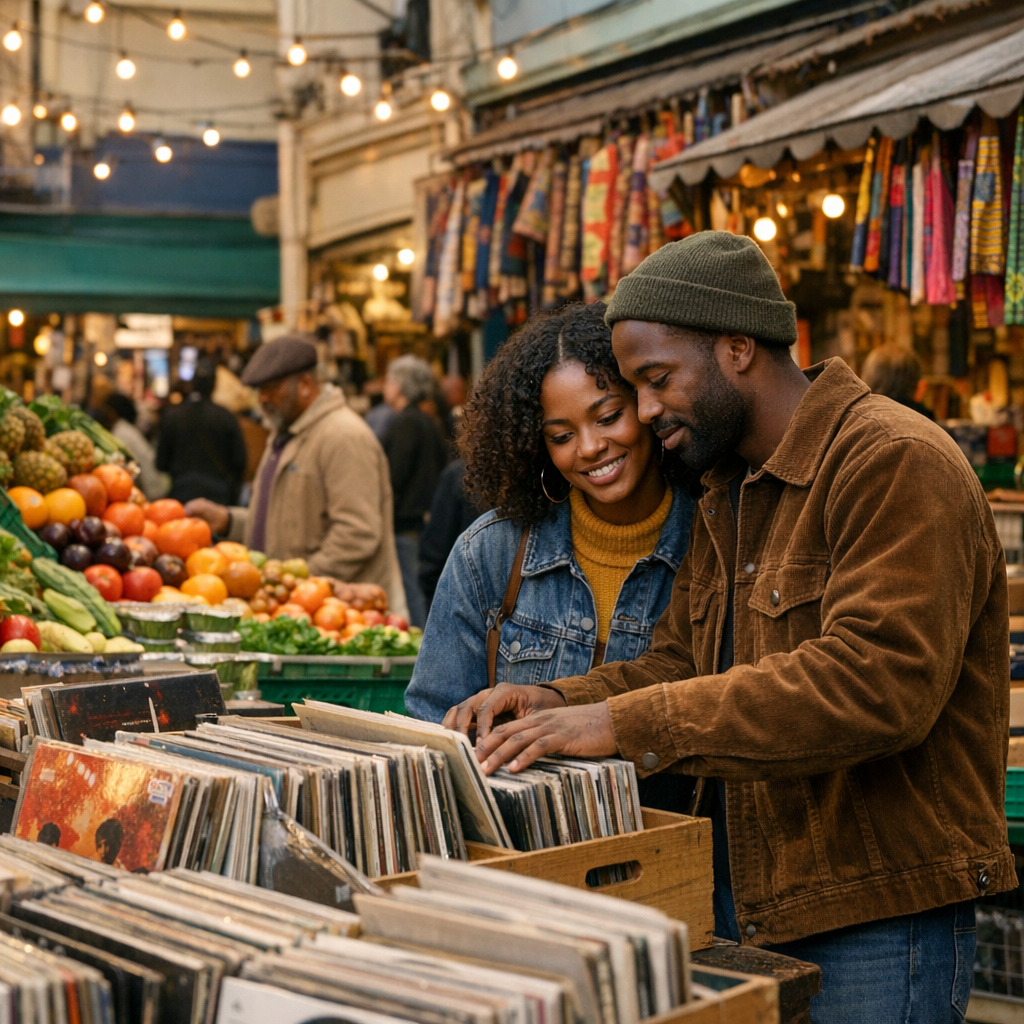
Walk five minutes from Windrush Square and you're in Brixton Market — the covered arcades of Brixton Village and Market Row, plus the street stalls of Electric Avenue, which takes its name from being one of the first market streets in London to be lit by electricity back in the 1880s (yes, this is the street immortalized in Eddy Grant's 1982 hit "Electric Avenue," written partly in response to the 1981 Brixton uprising). What was once London's most important Caribbean produce market — where Windrush-generation grandmothers came to find yams, plantain, saltfish, and Scotch bonnet peppers that no other part of the city carried — has grown into a genuinely mixed food and culture hub: Caribbean grocers and fishmongers trading alongside record stalls stacked with reggae, soca, and dub vinyl, West African fabric sellers, and a wave of small kitchens serving everything from jerk chicken to Vietnamese pho. It's still, unmistakably, a Black British institution at its core, and it rewards slow browsing over a rushed walkthrough.
Other South London Heritage Stops
- Clapham South deep shelter — the underground WWII shelter that temporarily housed Windrush passengers in 1948 is not normally open to the public, but the London Transport Museum periodically runs "Hidden London" guided tours through it; check their schedule if you want to stand in the actual space where that history happened.
- Stockwell — the neighborhood between Brixton and the river, home to a large Caribbean and Portuguese community and worth a wander for its own food scene and murals.
- Loughborough Junction and Angell Town — residential Brixton neighborhoods with a long Caribbean community history, less visited by tourists but part of the same story.
- Peckham — a short bus or rail ride east, Peckham's Rye Lane has its own thriving Black British and West African commercial heart, with its own market culture worth a separate afternoon.
Where to Eat
Brixton Village and Market Row are the easiest one-stop introduction to Caribbean and West African food in the neighborhood — look for stalls specializing in jerk chicken, curry goat, and fish, alongside patty shops selling the flaky, turmeric-yellow Jamaican patty that's a South London lunch staple. Franco Manca began as a single stall here before growing into a national pizza chain, a reminder of how much of Brixton's food culture has spread outward from these arcades. For a sit-down meal, look for saltfish fritters, festival (Jamaica's sweet fried dumpling), and rum cake as menu staples across the neighborhood's Caribbean restaurants.
Where to Stay
In Brixton: Hotel stock directly in the neighborhood is limited but growing, with budget chain options along Brixton Road and Acre Lane putting you a short walk from Windrush Square and the market.
Central London base: Given the Victoria line runs direct and fast into Brixton (about 30 minutes from Victoria station), many visitors base themselves in Central London or Victoria/Pimlico and treat Brixton as a half-day or full-day trip rather than a place to sleep — a practical option if you're also planning to see Central London sights.
🏨 Book London Hotels →Getting There & Around
Fly into London Heathrow (LHR) or Gatwick (LGW); Heathrow has direct flights from most major US gateway cities, roughly 8–9 hours from the East Coast. From Heathrow, take the Elizabeth or Piccadilly line into central London, then change onto the Victoria line southbound — Brixton is the line's southern terminus, so you can't miss your stop. From Gatwick, take the train to Victoria station and pick up the Victoria line from there. Once in Brixton, everything on this trail — Windrush Square, the Black Cultural Archives building, and the market — is within a five-minute walk of the Tube station.
✈️ Find London Flights →Visa & Entry: What US Citizens Need to Know
US citizens don't need a visa to visit the UK for tourism stays of up to six months, but a UK Electronic Travel Authorisation (ETA) is now a mandatory additional step, checked at boarding rather than just at UK border control. As of 2026 the ETA costs £20 (roughly $25 USD), is applied for online through the official UK ETA app or GOV.UK, and typically clears within minutes, though the Home Office recommends applying at least a few working days ahead in case of manual review. Once approved, it's valid for two years (or until your passport expires) and covers unlimited trips of up to six months each. Apply only through the official gov.uk ETA page or app — third-party sites frequently charge inflated "service fees" for the same government form.
Best Time to Visit & Budget
London is at its best May through September, with long daylight hours and the mildest weather of the year — good conditions for a walking-heavy day covering Brixton and Windrush Square on foot. If the Windrush story specifically is what draws you, plan around June 22, Windrush Day, a national commemoration marking the ship's 1948 arrival, when Windrush Square and Lambeth Council typically host public programming, exhibitions, and community events tied directly to this history.
Budget: $90–140/day — budget hotel or hostel, market-stall meals, Tube travel, free memorials and public spaces.
Mid-range: $150–250/day — boutique or chain hotel, sit-down restaurant meals, occasional cab or rideshare, museum admission where applicable.
Luxury: $350+/day — central London five-star hotel with a Brixton day trip, private guided heritage tour, fine dining.
BTN Insider Tips
Check the Black Cultural Archives' website before you go. The building has been closed for refurbishment since early 2025 with no confirmed reopening date at time of writing — don't build your whole day around a visit without confirming current access first.
Go to Windrush Square regardless. The square, the African and Caribbean War Memorial, and the Cherry Groce Memorial Pavilion are all outdoor, public, and open year-round, independent of the BCA building's status.
Visit Brixton Market on a weekday if you want to talk to vendors. Weekends are the most atmospheric but also the most crowded; a Tuesday or Wednesday visit gives you space to actually browse the record stalls and ask questions.
Combine this with Notting Hill if you're building a longer London itinerary. Brixton and Notting Hill sit on opposite sides of the city but tell connected halves of the same Windrush-generation story — see BTN's Notting Hill Carnival guide for the West London side of it.
Time your trip around June 22 if Windrush Day programming matters to you — Lambeth Council and community groups mark the date with events centered on Windrush Square.
Is Brixton Safe for Black Travelers?
Brixton is one of London's most historically significant Black British neighborhoods and, unsurprisingly, one where Black travelers — solo or in groups — generally report feeling comfortable and at home. Like anywhere in a large city, use standard precautions with belongings, particularly around the market on busy weekends, and be aware that the area's history with policing (including the events behind the Cherry Groce Memorial) is a live, present topic in the community rather than a closed chapter — worth approaching with respect rather than as a purely historical curiosity.
Mark Your Calendar
- June 22 — Windrush Day, the national commemoration of the 1948 arrival, marked with programming at Windrush Square
- Late August — Notting Hill Carnival, a few miles north in West London (see BTN's dedicated guide)
- October — Black History Month UK, with programming across Brixton and London's Black cultural institutions
- Year-round — Brixton Market's Electric Avenue and Brixton Village trading daily
Book Your London Trip
Carnival gets the headlines, but Brixton is where you actually stand where the Windrush generation built modern Black Britain — dock to square to market, in a single walkable afternoon.
✈️ Book Your London Trip Now →*Affiliate links — BTN may earn a commission at no extra cost to you.