The European City That Actually Feels Like Freedom
Every Black traveler who has spent significant time in Europe carries the same exhaustion. The stares on the subway in Paris. The followed-around-the-store feeling in Florence. The moments in Berlin or Prague where you become hyperaware that you are the only Black face in every room, every restaurant, every block. Europe is extraordinary, and Europe can be draining in ways that require no explanation to the diaspora.
And then there's Lisbon.
Something is genuinely different here. The historical relationship between Portugal and Africa — centuries of trade, migration, colonial connection, and the resulting cultural fusion — has produced a city where African presence is not exceptional. It is woven into the fabric of daily life. Cape Verdean restaurants in Mouraria. Angolan music in the bars of Intendente. Afro-Portuguese faces that look back at you without curiosity or discomfort. A political and cultural environment that, while imperfect, is measurably more relaxed about race than almost anywhere else in Western Europe.
Add affordable luxury, year-round sunshine, extraordinary food, architecture that stops you mid-sentence, and you begin to understand why Lisbon has become the diaspora's European city of choice.
Why Black Travelers Choose Lisbon
The reasons stack quickly. Portugal's cost of living is 40-60% lower than comparable Western European cities — meaning the Lisbon experience that would cost $300/day in Paris costs $150 here. The city is compact and walkable. English is widely spoken in tourist areas. The climate is Mediterranean — warm, sunny, and gentle almost year-round. And the food is exceptional at every price point.
For the diaspora specifically: Lisbon has a thriving Afro-Portuguese community, a robust arts and music scene rooted in African influence, and an increasing number of Black-owned restaurants, galleries, and cultural spaces that make the city feel genuinely inclusive rather than tolerant.
Must-See Monuments & Historic Sites
Monument to the Discoveries (Padrão dos Descobrimentos) — This is complicated history, and you should visit it with that understanding intact. The monument celebrates Portuguese explorers — the same explorers who initiated the transatlantic slave trade. Standing before it as a descendant of that trade, you feel the full weight of history in a way that no museum can manufacture. The view of the Tagus from here is extraordinary.
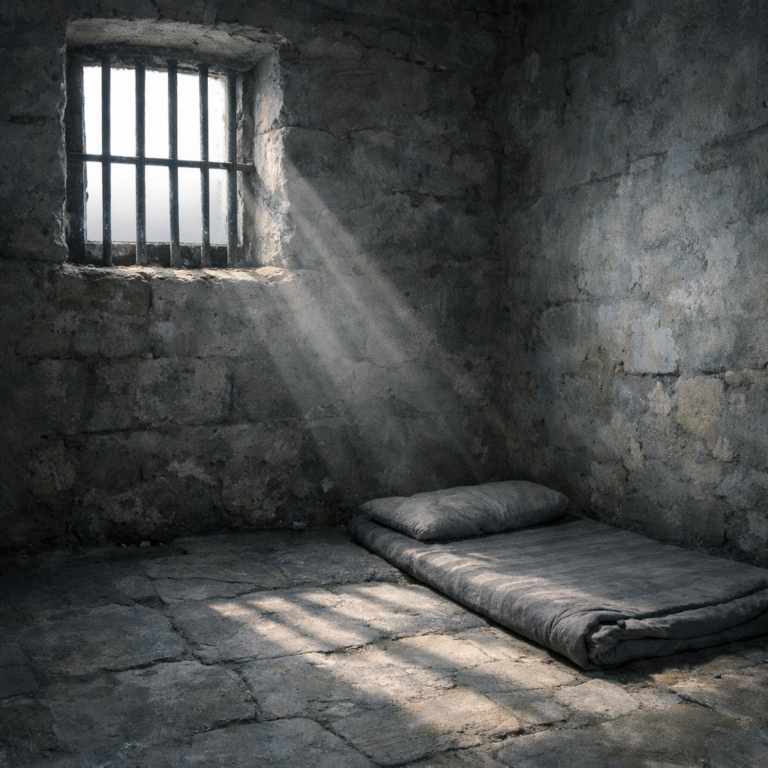
Museu do Aljube — Resistência e Liberdade — Housed in a former political prison used by Portugal's fascist Salazar regime, this museum documents resistance to dictatorship and includes significant material on colonialism and the African independence movements that fought against Portuguese rule. Essential context for understanding modern Portugal.
Mosteiro dos Jerónimos — One of the finest examples of Manueline architecture in the world, built in the 16th century partly funded by spice trade revenue (built on the profits of African exploitation). The monastery is genuinely magnificent and the historical context is worth sitting with.
Mouraria — Lisbon's oldest neighborhood, historically home to Moorish, Romani, and immigrant communities, Mouraria is now the most multicultural neighborhood in the city. The Intendente square at the heart of Mouraria — with its Cape Verdean restaurants, African markets, and fado houses — is the most authentic and diverse part of Lisbon. Walk every street.
Museu Nacional do Azulejo — Portugal's extraordinary tile tradition — the hand-painted azulejo panels that cover churches, palaces, and railway stations — is documented in this museum housed in a former convent. The tiles tell Portuguese history in ceramic; the African presence in that history is visible if you know what to look for.
Top Tourist Attractions
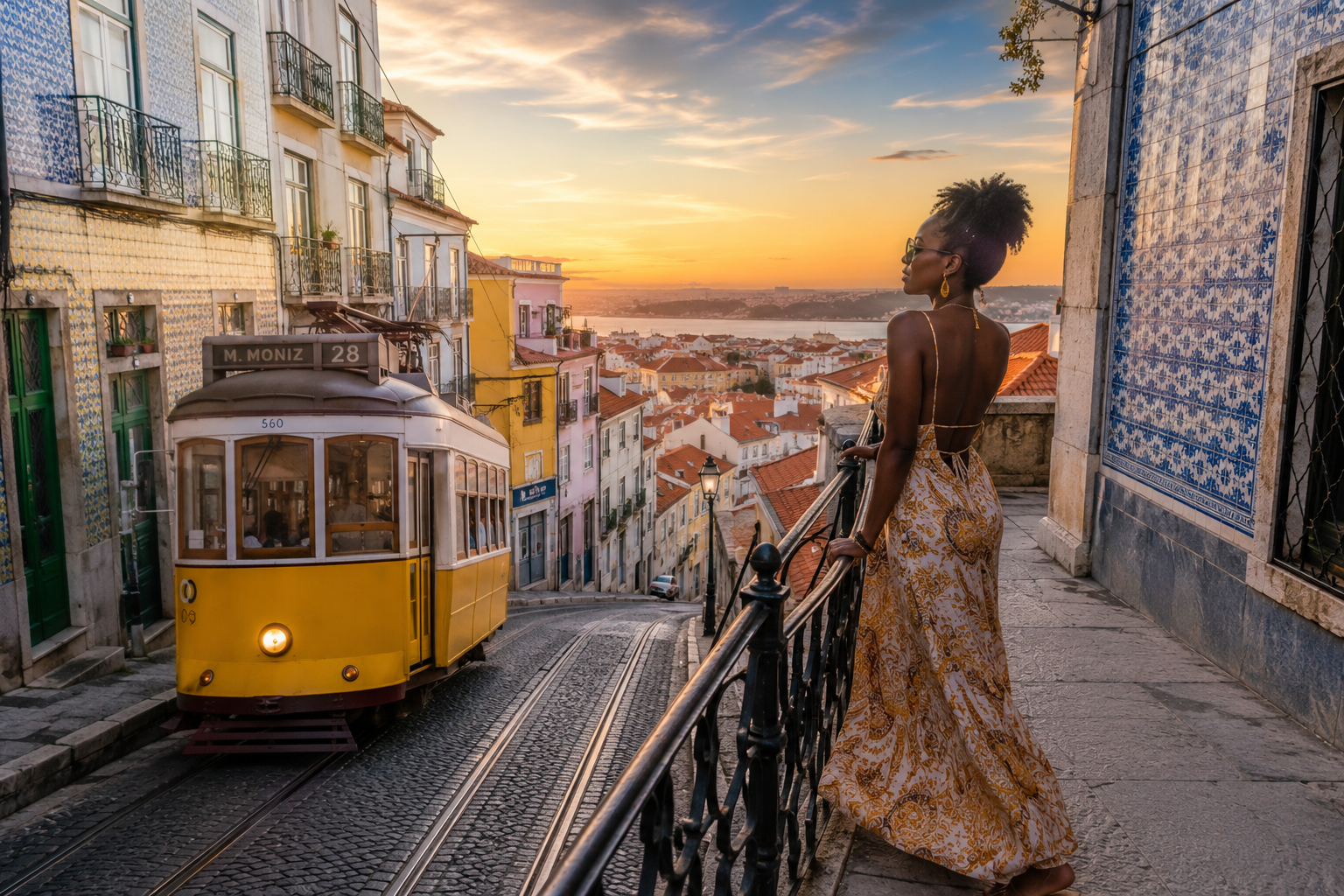
Alfama — Lisbon's oldest neighborhood, built on a hillside above the Tagus, with winding medieval streets, fado houses, and viewpoints (miradouros) that offer some of the most dramatic urban panoramas in Europe. Walk up. Take the tram down. Do it at sunset.
Sintra — 40 minutes by train from Lisbon's Rossio station, Sintra is a UNESCO World Heritage hilltown of extraordinary palaces, Moorish castles, and lush Atlantic forest. The Pena Palace, painted in vivid yellow and red atop the hills, is one of the most photographed buildings in Europe. Go on a weekday to avoid weekend crowds.
Belém — The historic waterfront neighborhood from which Portuguese explorers departed. The Torre de Belém, the monastery, and the best pastéis de nata in the world (at Pastéis de Belém, open since 1837) are all within walking distance of each other.
LX Factory — A converted 19th-century industrial complex now housing independent restaurants, concept stores, art galleries, and a Sunday market that is one of the best in Europe. The weekend energy here is excellent.
Where to Eat — Must Try
Pastéis de Belém — Non-negotiable. The original Portuguese custard tart, made to a secret recipe unchanged since 1837, eaten warm with cinnamon and powdered sugar at a marble table in the original bakery in Belém. This is not optional.
Tasca do Chico — The most authentic fado experience in Lisbon — a tiny tasca in Bairro Alto where the fado is performed by genuine artists, not tourist show performers. The food is traditional Portuguese, the wine is local, and the music will move you in ways you didn't anticipate. Book weeks in advance.
Cape Verdean restaurants in Mouraria — Cachupa (a hearty Cape Verdean stew of corn, beans, and meat) and grilled fish prepared Cape Verdean style are available in several restaurants around Intendente square. For diaspora travelers, eating here feels like a homecoming within a homecoming.
Time Out Market — Lisbon's famous food market under one roof bringing together the city's best chefs and producers. The quality across the board is genuinely exceptional — clam rice, bacalhau, petiscos, local wine — and it's excellent for groups with different preferences.
Grilled sardines at any summer festival — Lisbon's June saints festivals fill the streets of Alfama with grills smoking fresh sardines, cheap wine, and dancing until dawn. If you're visiting in June, this is the experience that will define your trip.
Where to Stay
Luxury: Bairro Alto Hotel is Lisbon's finest five-star property — a converted 18th-century palace with a rooftop terrace overlooking the city that is worth the price of the upgrade. The Bettina & Niccolò Corallo chocolate and coffee shop in the lobby is a destination in itself.
Mid-Range Boutique: Lisbon has an excellent supply of design-forward boutique hotels at prices that would be considered budget in London or Paris. The Independente Hostel & Suites in São Bento, 1908 Lisboa Hotel in Intendente, and Hotel Lisboa Carmo in Chiado all offer outstanding value.
Apartment rental: Lisbon rewards the apartment rental approach — staying in Mouraria, Intendente, or Alfama in a rented apartment puts you in the most authentic parts of the city, gives you a kitchen for market cooking, and typically costs significantly less than comparable hotels.
🏨 Book Lisbon Hotels →Getting There
Lisbon Humberto Delgado Airport (LIS) has direct flights from New York (JFK via TAP Air Portugal and Delta), Newark (via TAP), Boston (via TAP), Miami (via TAP), and Toronto (via TAP and Air Transat). Flight time from the US East Coast is approximately 7 hours — making Lisbon one of the closest European capitals to North America. Connections are also available via London, Amsterdam, Paris, and Frankfurt on major European carriers.
✈️ Find Lisbon Flights →Best Time to Visit
Lisbon has one of the best climates in Europe — mild winters, warm springs, hot summers, golden autumns. The BTN recommendation: April-May or September-October. Spring and early autumn offer warm weather without summer crowds and pricing, the city is at its most beautiful, and festivals and cultural events are abundant. Summer (July-August) is hot, crowded, and expensive but the energy is extraordinary.
Budget Guide
Budget: $80-120/day — apartment or hostel, market shopping and local restaurants ($8-15/meal), metro and walking for transport.
Mid-range: $150-250/day — boutique hotel, restaurant dining, museum entries, day trips to Sintra.
Luxury: $350+/day — five-star hotel, private tours, fine dining, Algarve day trip by private car.
BTN Insider Tips
Buy a 24-hour metro card. Lisbon's metro, tram, and bus system is excellent and inexpensive. The famous Tram 28 through Alfama is an experience worth taking once — but expect crowds and pickpockets on tourist routes.
Walk everywhere you can. Lisbon is a city of hills and every climb is rewarded with a view. The best discoveries happen when you put the map down and follow your instincts.
Eat lunch as your main meal. Portuguese restaurants serve extraordinary two-course lunch deals (prato do dia) for €10-15 that would cost three times as much at dinner. Eat like a local: big lunch, small dinner.
Learn "obrigado" (thank you, masculine) or "obrigada" (feminine). Portuguese people respond with immediate warmth when you make the effort.
Is Lisbon Safe for Black Travelers?
Lisbon is one of the safest capitals in Western Europe and is widely regarded as one of the most welcoming for Black travelers. Racial incidents targeting tourists are rare. The city's large African and Afro-Portuguese community means Black faces are a normal part of urban life rather than an anomaly. For Black women traveling solo — which many do, regularly — Lisbon is considered excellent. Standard urban caution applies (Alfama and Mouraria are safe but use common sense late at night), and the general experience is one of genuine ease and welcome.
Book Your Lisbon Trip
Lisbon is the European city that doesn't make you work so hard to simply exist. That's rarer than it should be. And that's exactly why the diaspora keeps coming back.
✈️ Book Your Lisbon Trip Now →*Affiliate links — BTN may earn a commission at no extra cost to you.