Jamaica Doesn't Just Welcome You — It Recognizes You
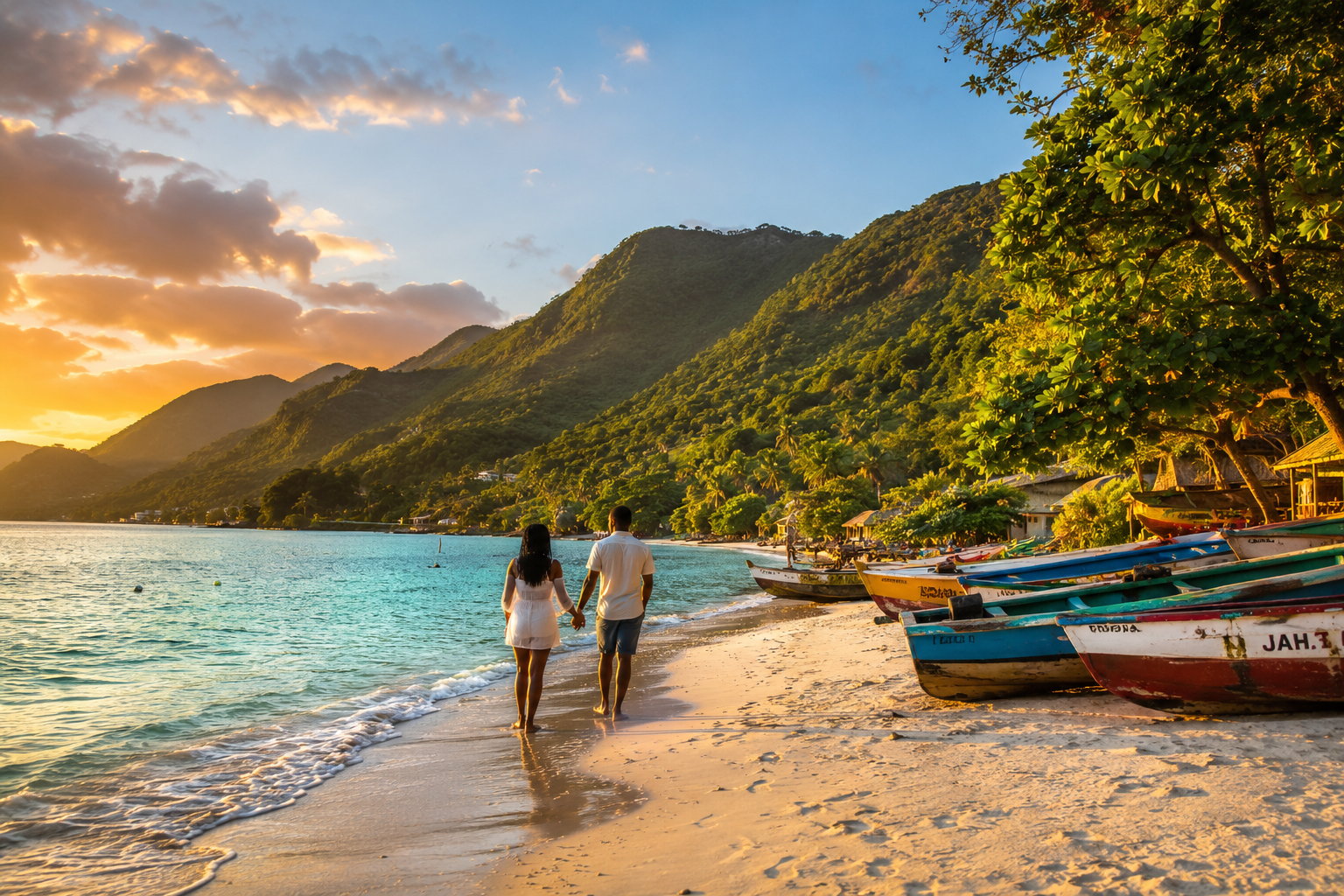
There's a moment that happens to almost every Black traveler the first time they set foot in Jamaica. Maybe it happens in the taxi from the airport. Maybe at a roadside jerk stand in St. Elizabeth, or standing at the edge of the Blue Mountains watching the mist roll over the valley below. It's the moment you realize — this place knows you. Not in the tourist brochure way. In the bone-deep, ancestral way.
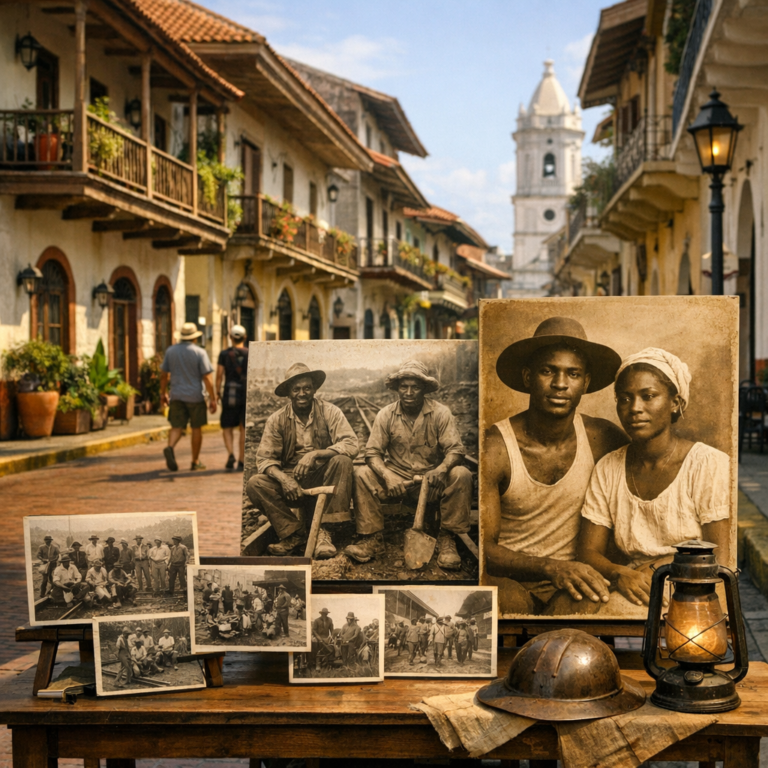
With over 90% of its population of African descent, Jamaica is one of the most significant cultural homecomings a Black traveler can make. The music that shaped the world — reggae, dancehall, ska — was born here. The philosophy of Pan-Africanism found one of its greatest voices here in Marcus Garvey. The Maroon communities of Cockpit Country held off the British Empire and won their freedom centuries before emancipation. When you come to Jamaica, you're not visiting. You're returning.
Why Black Travelers Choose Jamaica
Jamaica is one of the few places on earth where Blackness is simply the norm — not the exception, not the novelty, not the demographic footnote. The Prime Minister is Black. The business community is predominantly Black. Rihanna — wait, that's Barbados, but you get the point. When you walk through Kingston or Negril or the south coast parishes, something shifts in your nervous system. The hypervigilance relaxes. You can just be.
Beyond the cultural resonance, Jamaica offers an extraordinary range of experiences that reward the traveler willing to go beyond the all-inclusive gates. From world-class beaches to living history, from the finest jerk on earth to some of the Caribbean's most dramatic natural landscapes — this island delivers at every price point, for every type of traveler.
Must-See Monuments & Historic Sites
Bob Marley Museum, Kingston — The legend's home on Hope Road is a genuine pilgrimage site. Walk through his recording studio, see his personal belongings, and feel the weight of what one man from Trenchtown gave to the world. Beyond the tourism, this is a place of real spiritual significance for the diaspora.
Marcus Garvey Birthplace, St. Ann's Bay — The man who inspired Malcolm X and planted the seeds of Pan-Africanism was born here in 1887. Monuments to his legacy in St. Ann's Bay are essential stops for any diaspora traveler who understands what Garvey's philosophy meant for Black freedom movements globally.
Accompong, Cockpit Country — One of the most significant places in the entire diaspora. This is the original Maroon settlement where freed Africans fought the British to a standstill and signed a peace treaty in 1739 — making it one of the first free Black communities in the Western Hemisphere. The annual Maroon Festival on January 6th is one of the most powerful cultural experiences the diaspora can witness anywhere on earth.
Devon House, Kingston — Built in 1881 by George Stiebel, one of Jamaica's first Black millionaires, Devon House is a stunning colonial mansion that tells the story of Black wealth and achievement in post-emancipation Jamaica. The ice cream here is also, genuinely, some of the best you will ever eat.
Trench Town Culture Yard, Kingston — The birthplace of reggae and the community that raised Bob Marley. Not a polished tourist attraction — a living community that preserves the history of where Jamaica's greatest cultural contribution was born.
Top Tourist Attractions
Blue Mountains — The same mountains that sheltered Maroon communities now grow some of the most prized coffee in the world. A sunrise hike to Blue Mountain Peak (7,402 feet) is a rite of passage, with views stretching to Cuba on a clear day. Always go with a local guide.
Dunns River Falls, Ocho Rios — Yes, it's touristy. Yes, it's worth it. Climbing the 600-foot terraced waterfall in a chain of strangers who quickly become friends is quintessential Jamaica. Go early weekday morning to beat cruise ship crowds.
YS Falls, St. Elizabeth — Seven cascading waterfalls on a private south coast estate. Less known than Dunns River, arguably more beautiful, and significantly fewer tourists. A true hidden gem.
Negril Cliffs at Sunset — The entire west-facing cliff line turning gold and crimson at sunset is one of the Caribbean's most spectacular natural shows. Rick's Cafe is the famous spot. Bring a Red Stripe. Stay until the stars come out.
Black River Safari — A boat cruise down Jamaica's longest river through mangroves teeming with American crocodiles and extraordinary birdlife. The south coast is undervisited and absolutely stunning.
Where to Eat — Must Try
Scotchies, Montego Bay & Kingston — The gold standard of Jamaican jerk. Pork, chicken, and fish cooked over pimento wood in the traditional pit method. This is not fusion jerk. This is the real thing. Order the festival (fried dumplings) on the side.
Miss T's Kitchen, Ocho Rios — Possibly the best traditional Jamaican cooking on the island. Oxtail, curry goat, brown stew chicken, rice and peas — the way your Jamaican grandmother would cook it if you had one. The ackee and saltfish here is legendary.
Hellshire Beach, Kingston — Every Sunday, the beach community of Hellshire comes alive with Kingstonians eating fried fish and festival at the dozens of seafood shacks that line the shore. This is where locals go. This is where you should go.
Stush in the Bush, St. Ann — A farm-to-table dining experience in the hills that changes daily based on what's growing in the garden. The setting surrounded by a working organic farm is stunning. Reservations essential.
Pelican Bar, St. Elizabeth — You take a short boat ride to reach this bar built on a sandbar in the middle of the Caribbean Sea. It shouldn't exist. It's absolutely perfect. Order whatever they're serving and stay for hours.
Where to Stay
Luxury: Sandals properties deliver consistently across Jamaica — the Royal Plantation in Ocho Rios is their most exclusive offering. Round Hill Hotel & Villas in Montego Bay remains the most elegant property on the island.
Mid-Range Boutique: Jake's Hotel in Treasure Beach is one of the most beloved boutique properties in the Caribbean — individually designed cottages run by a family deeply embedded in the local south coast community.
Budget: Negril has the best budget options — guesthouses and small hotels along Seven Mile Beach offering excellent value. The Clifftop Hotel and Rockhouse Hotel are mid-range cliff options with extraordinary views for the price.
🏨 Book Jamaica Hotels via Expedia →Getting There
Jamaica has two main international airports: Norman Manley International in Kingston and Sangster International in Montego Bay. Most tourists fly into Montego Bay. If you want to experience Kingston first — and we strongly recommend you do — fly into Norman Manley.
Direct flights are available from New York (JetBlue, JFK), Miami (American), Atlanta (Delta), and Toronto (Air Canada). The sweet spots for pricing: May, June, and November. Peak season (December through April) sees significant price spikes — book early.
✈️ Find Jamaica Flights →Best Time to Visit
Jamaica is a year-round destination with temperatures between 77-90°F throughout the year. Our recommendation: November is the sweet spot — dry season beginning, prices haven't spiked, island at its lushest after rainy season. January also delivers excellent value before the Valentine's rush.
For events: Accompong Maroon Festival (January 6), Jamaica Carnival (April), Reggae Sumfest in Montego Bay (July), Jamaica Independence Day celebrations (August 6).
Budget Guide
Budget: $100-150/day — guesthouse ($40-60/night), local cookshops ($5-15/meal), shared taxis, free beaches and hiking.
Mid-range: $200-350/day — boutique hotel, mix of local and tourist restaurants, private transfers for day trips.
Luxury: $500+/day — all-inclusive Sandals, private villa, private tours, fine dining.
BTN Insider Tips
Learn even basic Patois. "Wah gwaan" and "Irie" will open doors that money can't buy.
Explore the south coast. St. Elizabeth, Treasure Beach, and Black River are where Jamaicans themselves go on vacation — completely different from the north coast tourist trail.
Eat where locals eat. The best food in Jamaica costs almost nothing and comes from roadside stalls and beach shacks. Follow the smoke.
Tip generously. Tourism is the economic backbone of Jamaica. The people serving you are professionals who take their work seriously.
Is Jamaica Safe for Black Travelers?
Jamaica's safety reputation is shaped far more by Western media than by reality. The truth: Kingston's inner-city communities have real challenges. But tourist areas — Montego Bay, Negril, Ocho Rios, Port Antonio — are generally safe and visited by millions annually without incident.
Travel smart: use registered taxis or arrange transfers in advance, don't flash expensive jewelry or electronics, respect local culture, and trust your instincts. For solo Black women: Negril and Port Antonio are the most relaxed areas. In Kingston, explore with a local guide if you're unfamiliar with the city. Establish your boundaries clearly and early — "No thank you" said with confidence works everywhere.
The bottom line: millions of diaspora travelers — from America, the UK, Canada, and the Caribbean — visit Jamaica every year. With intelligence and respect, Jamaica is a welcoming, joyful, life-changing experience.
Mark Your Calendar
- January 6 — Accompong Maroon Festival
- April — Jamaica Carnival, Kingston & Montego Bay
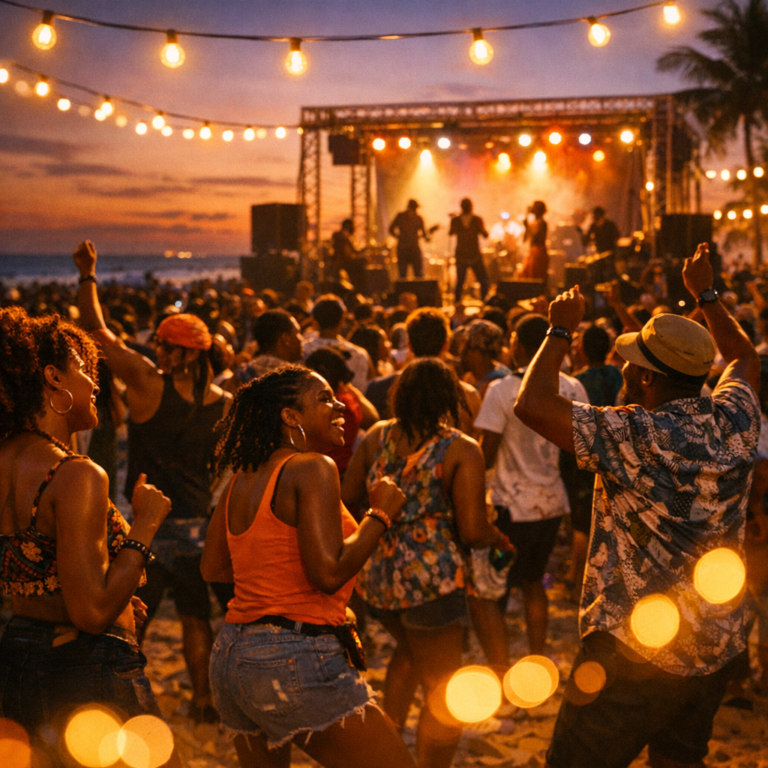
- July — Reggae Sumfest, Montego Bay
- August 6 — Jamaica Independence Day
Book Your Jamaica Trip
Jamaica is waiting. Not the Jamaica of the all-inclusive brochure — the real Jamaica. The one with Blue Mountain mist and Maroon history and jerk pits smoking at midnight and sunsets that make you forget every problem you ever had. Plan your trip, book smart, and travel with intention.
✈️ Book Your Jamaica Trip Now →*Affiliate links — BTN may earn a commission at no extra cost to you.