Two Dominican Republics, One Trip
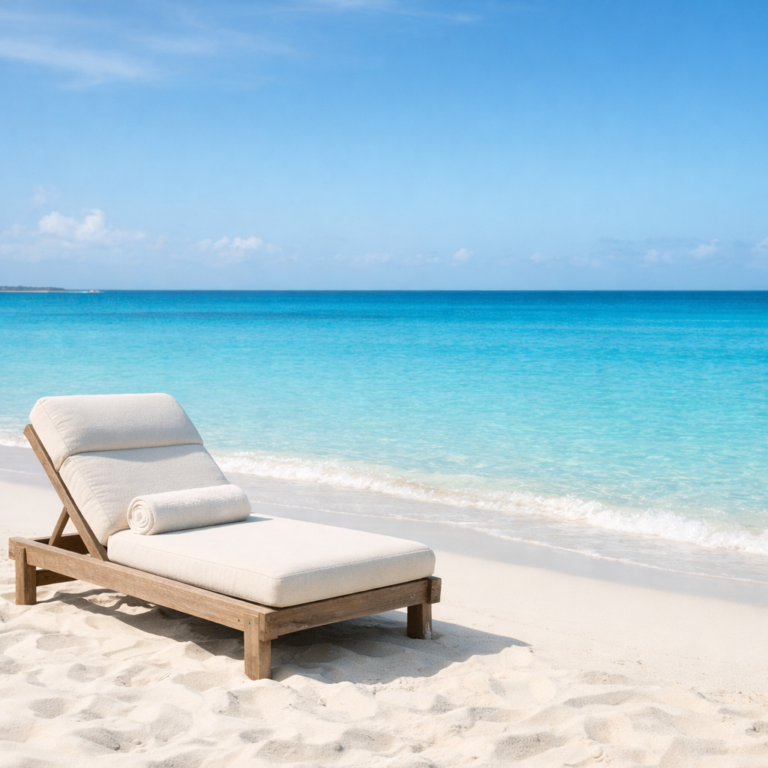
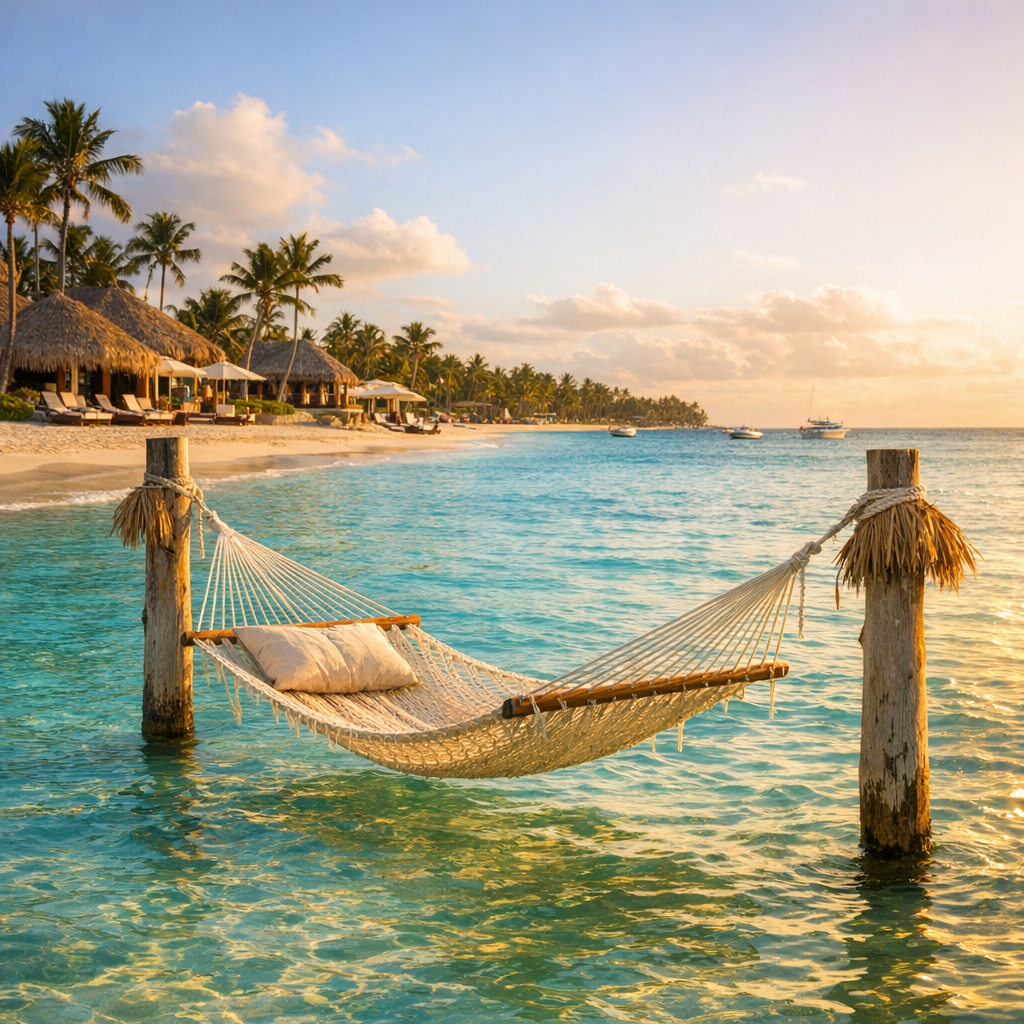
Most people who fly into Punta Cana never leave the resort zone, and honestly, nobody blames them. The stretch of coastline from Bávaro to Cap Cana is one of the most efficient vacation machines on the planet: turquoise water, powder-soft sand, all-inclusive pricing that beats almost anywhere else in the Caribbean, and a direct flight from nearly every major US city. For a quick, easy, all-inclusive win, Punta Cana is hard to argue with.
But the Dominican Republic is a much bigger story than its beach resorts. An hour outside Santo Domingo, in a community called Villa Mella, a centuries-old Afro-Dominican brotherhood still keeps drums that were kept by the enslaved ancestors who built this country — drums so culturally significant that UNESCO recognized them as a Masterpiece of the Oral and Intangible Heritage of Humanity. Two hours east of the capital, in the sugar town of San Pedro de Macorís, the descendants of English-speaking Caribbean migrants built a Black cultural identity that gave the world some of baseball's greatest shortstops and a dance-drama tradition found nowhere else on earth.
This guide covers both sides of the DR: the easy resort value that makes Punta Cana one of the best deals in Caribbean travel, and the deeper Afro-Dominican heritage that most first-time visitors never hear about.
Punta Cana: The Easiest All-Inclusive Win in the Caribbean
Punta Cana earned its reputation honestly. The area has more all-inclusive resort rooms than almost anywhere else in the region, which means real price competition — and real value — for travelers. A well-timed trip can land a genuinely luxurious all-inclusive stay (multiple restaurants, swim-up bars, unlimited top-shelf liquor, daily excursions) for a fraction of what a comparable a la carte trip would cost in Turks and Caicos, the US Virgin Islands, or Barbados.
Punta Cana International Airport (PUJ) is also refreshingly close to the resort strip — most transfers run 15–30 minutes, compared to the hour-plus resort transfers common elsewhere in the Caribbean and Mexico. Add nonstop flights from New York, Miami, Atlanta, Chicago, Charlotte, and dozens of other US cities, and it's easy to see why Punta Cana has become the default answer for a fast, low-effort, high-value beach week.
What to know before you book:
- Bávaro is the classic resort strip — the widest beaches and the highest concentration of big-name all-inclusives.
- Cap Cana is the newer, more upscale gated development, with marina access and higher-end villas and resorts.
- Uvero Alto sits further north and tends to be quieter, with fewer crowds and slightly rougher surf.
- Excursions worth the extra cost: Isla Saona day trip (catamaran plus a sandbar swim stop), Hoyo Azul cenote at Scape Park, and a Santo Domingo day trip if you want colonial history without changing hotels.
Beyond the Resort Wall: Villa Mella's Congos Brotherhood
Here's the part of the Dominican Republic the resort brochures skip entirely.
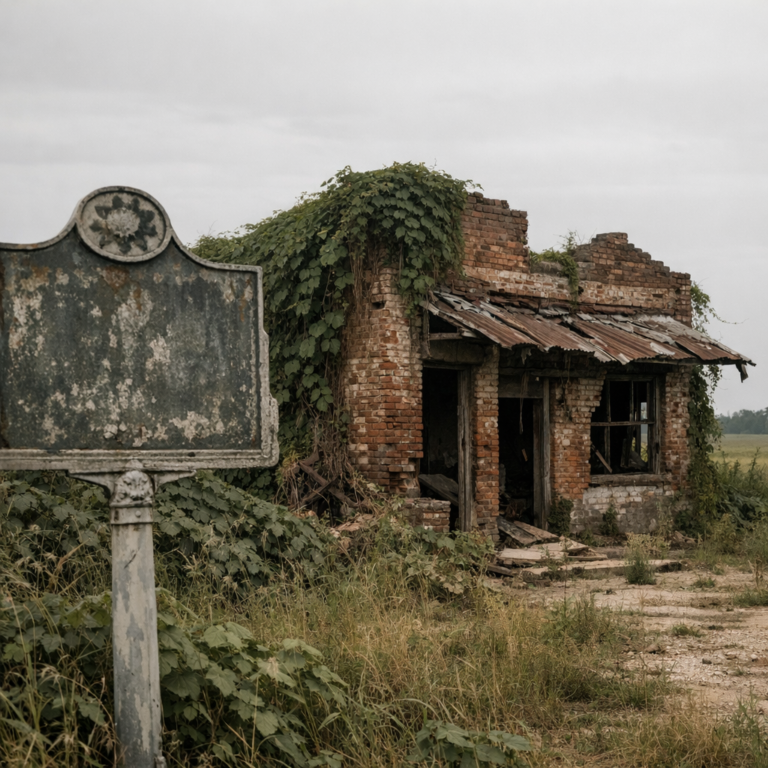
In Villa Mella, a community just north of central Santo Domingo, a cofradía — a religious brotherhood — called the Cofradía del Espíritu Santo de los Congos de Villa Mella (the Congos de Villa Mella) has kept an Afro-Dominican spiritual and musical tradition alive for roughly 300 years, dating back to the colonial era. In 2001, UNESCO proclaimed the brotherhood's traditions a Masterpiece of the Oral and Intangible Heritage of Humanity — one of the earliest Dominican traditions to receive that international recognition, and later formally inscribed on UNESCO's Representative List of the Intangible Cultural Heritage of Humanity.
The Congos take their name from Kongo Central African spiritual traditions carried across the Atlantic during the slave trade. The brotherhood's practice syncretizes Catholic devotion to the Holy Spirit with Kalunga, a Kongo-derived spirit associated with both death and ancestral connection — a direct, living thread back to the enslaved Africans who built the sugar economy that Villa Mella grew out of. The community itself has roots in bateyes, the sugar-worker settlements that once made up an area called Sabana Grande del Espíritu Santo.
The Congos' drumming and ritual performances — built around large, hand-carved conga-style drums — appear at Pentecost celebrations and at funerals and wakes, where the drums are understood to guide and honor the spirits of the dead. A related secular tradition, pri-prí, is an accordion-driven style of merengue that provides the festive counterpart to the brotherhood's sacred ceremonies. In 2006, the Dominican government partnered with the Museo del Hombre Dominicano (the Museum of the Dominican Man) in Santo Domingo on a formal safeguarding plan to keep the tradition alive for future generations.
Visiting Villa Mella isn't a resort excursion you'll find on a hotel activities board — it takes some planning, ideally with a local guide or a Santo Domingo-based cultural tour operator who has a relationship with the community, and it's most meaningful around Pentecost when ceremonies are active. But for travelers who want to understand the Dominican Republic's Afro-diasporic soul rather than just its beaches, it's one of the most important stops in the country.
San Pedro de Macorís: The Cocolo Legacy
Two hours east of Santo Domingo, the sugar town of San Pedro de Macorís tells a different but related Afro-diasporic story. Starting in the late 1800s, the sugar boom drew thousands of Afro-Caribbean migrants — from the Bahamas, Turks and Caicos, St. Kitts and Nevis, and other English-speaking islands — to work the cane fields and the port. Their descendants became known locally as Cocolos, and they brought with them Protestant churches (Anglican and Moravian congregations still stand in the city today), English-Caribbean foodways, and British-influenced sports like cricket and boxing.
That cricket tradition, transplanted into a Spanish-speaking sugar town, eventually fed into something else entirely: baseball. San Pedro de Macorís is known across the sport as the "Cradle of Shortstops," having produced dozens of Major League Baseball players from a city a fraction the size of the capital — a direct legacy of the Cocolo sporting culture that took root here more than a century ago.
The Cocolo community's most distinctive contribution is its dance-drama tradition — vividly costumed performers (sometimes called Guloyas) who perform stylized dance-plays rooted in Caribbean folk theater, historically tied to Christmas and other festival periods. It's one more thread in the same larger story as Villa Mella: Afro-diasporic communities in the Dominican Republic preserving distinct identities, languages, and rituals for well over a century, largely outside the tourist gaze.
Safety: An Honest, Non-Alarmist Look
As of 2026, the US State Department rates the Dominican Republic a Level 2: Exercise Increased Caution — the same tier assigned to many popular, mainstream destinations, including several major US allies in Europe. It is not the "reconsider travel" or "do not travel" tier; it sits at the second-lowest rung of a four-level scale.
The advisory's stated concern is crime — specifically armed robbery, homicide, and sexual assault reported in parts of the country — linked to factors like weapon availability and gaps in the justice system. Importantly, the same advisory notes that resort areas benefit from a dedicated tourist police presence (POLITUR), a growing 911 emergency system, and a concentration of security resources that make destinations like Punta Cana meaningfully better policed than urban centers such as Santo Domingo.
The practical takeaway: standard resort-vacation precautions apply. Stay aware in unfamiliar areas after dark, use official transportation and reputable tour operators (especially for excursions outside the resort zone, like a Villa Mella or Santo Domingo day trip), keep valuables secured, and avoid displaying large amounts of cash or jewelry. None of this should read as "the DR is dangerous" — it should read as "travel like you would in any major destination, and lean on POLITUR and your resort's concierge for local, current guidance."
Entry Requirements
US citizens need a valid passport to enter the Dominican Republic — no visa is required for tourist stays under 30 days. Entry historically required a separate tourist card purchase, but that fee is now bundled into most international airline tickets, so most travelers won't need to buy anything additional at the airport. Confirm your airline's current policy before you fly, and make sure your passport has at least one blank page for the entry stamp.
Getting There and Getting Around
Punta Cana International Airport (PUJ) has direct flights from most major US gateway cities, typically running 3–4.5 hours depending on origin. If you're planning to add Santo Domingo, Villa Mella, or San Pedro de Macorís to your trip, renting a car or booking a private driver for the Santo Domingo portion is far more practical than trying to do it from a Punta Cana resort — the Autopista del Coral/Las Américas highway connects the coast to the capital in roughly two to two and a half hours.
Where to Stay
All-Inclusive Luxury: Bávaro and Cap Cana host most of the DR's top-tier all-inclusive brands, with swim-up suites, multiple specialty restaurants, and adults-only sections at the higher end.
Mid-Range: Plenty of solid three- and four-star all-inclusives cluster around Bávaro proper, offering strong value for families and groups.
Santo Domingo: If you're adding the cultural side of this trip, a night or two in the Colonial Zone (Zona Colonial) puts you close to Villa Mella and gives you the oldest continuously inhabited European city in the Americas as a bonus stop.
🏨 Book Punta Cana Hotels →Budget Guide
Budget: $90-150/day — a value all-inclusive with meals, drinks, and basic activities already covered.
Mid-range: $180-300/day — upgraded all-inclusive resort, excursions like Isla Saona or Scape Park, occasional dinners off-resort.
Luxury: $400+/day — five-star or adults-only all-inclusive in Cap Cana, private tours, a Santo Domingo/Villa Mella cultural add-on with a private guide.
BTN Insider Tips
- Book the cultural side of this trip deliberately. Villa Mella and San Pedro de Macorís are not resort-desk excursions — you'll want a Santo Domingo-based guide or cultural tour operator who works directly with these communities.
- Time it to Pentecost if you can. The Congos' ceremonies are most active around that religious calendar point.
- Bring small bills for tips at all-inclusives — bartenders, housekeeping, and excursion guides depend heavily on tourist gratuities.
- Use resort-recommended or official transportation for any trip outside the resort zone, and check with your concierge for current, on-the-ground safety guidance before heading to Santo Domingo.
- Learn a little Spanish before you go — English is common in the resort zone but far less so once you head toward Villa Mella or San Pedro de Macorís.
Book Your Dominican Republic Trip
Punta Cana gives you the easiest, most affordable all-inclusive week in the Caribbean. Villa Mella and San Pedro de Macorís give you the deeper Afro-Dominican story the brochures never mention. Book the beach — but don't leave without at least reading up on the drums.
✈️ Find Punta Cana Flights →*Affiliate links — BTN may earn a commission at no extra cost to you.