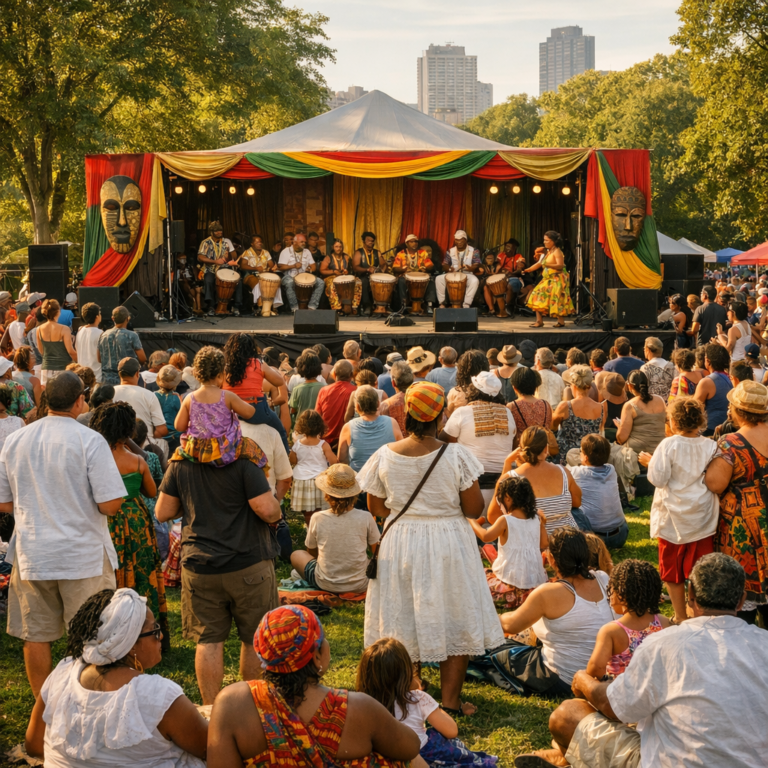
The Diaspora Is Building in the Motherland
Something historic is happening across the African continent. A generation of diaspora entrepreneurs, investors, remote workers, and founders — African American, Black British, Caribbean, and continental returnees — are landing in Accra, Lagos, and Cape Town not as tourists, but as builders. They are launching startups, opening restaurants, closing real estate deals, and moving capital home. Africa is the youngest, fastest-urbanizing continent on earth, and the diaspora is finally in the room where its future is being written.
This is BTN's practical guide to business travel across Africa's three powerhouse hubs — where to go, how to get in, how to operate on the ground, and how to plug into the ecosystem once you land.
The Three Hubs
Accra, Ghana — The Diaspora's Home Base. Stable, English-speaking, and welcoming, Accra has become the natural landing pad for diaspora entrepreneurs. The Year of Return turned a trickle of returnees into a movement, and today East Legon, Airport Residential, and Labone are full of Black founders and creatives building businesses. Ghana is the easiest on-ramp to the continent for first-timers.
Lagos, Nigeria — The Engine. Lagos is the commercial capital of Africa — loud, relentless, and overflowing with ambition. It is the beating heart of African tech ("Silicon Lagoon"), Nollywood, Afrobeats, and fintech. Nothing about Lagos is easy, and everything about it is opportunity. If you want to understand the scale of the African market, you come to Lagos.
Cape Town & Johannesburg, South Africa — The Infrastructure. South Africa offers the continent's most developed business infrastructure — world-class banking, logistics, legal systems, and connectivity. Johannesburg is the corporate and financial capital; Cape Town is the design, tech, and lifestyle hub where a growing number of diaspora professionals base themselves.
Getting In: Visas & Entry
Entry requirements vary significantly by country and passport, so confirm current rules before you book.
Ghana requires a visa for most travelers, obtainable in advance or, increasingly, on arrival for eligible nationalities. Nigeria has moved toward a streamlined e-Visa system — apply online before you travel. South Africa is visa-free for many Western passport holders for short business visits. Always verify with the country's official immigration site and allow extra lead time for Nigeria.
On the Ground: How to Operate
Connectivity. Buy a local SIM the moment you land — MTN, Airtel, Vodafone, and Glo offer cheap, fast data. Reliable internet is a business necessity; many founders also carry a portable Wi-Fi device as backup.
Money. Africa is a mobile-money continent. Ghana runs on MoMo (mobile money), Nigeria on instant bank transfers and fintech apps, South Africa on cards and apps. Carry some cash, but expect to move most money digitally. Notify your home bank before you travel and bring a backup card.
Getting around. Ride-hailing works well — Bolt and Uber operate across all three hubs and are the safest, simplest way to move. In Lagos especially, use apps rather than street taxis, and build serious buffer time into every plan — traffic ("go-slow") is legendary.
Power. Outside South Africa, keep a power bank charged; grid power can be intermittent, though good hotels and co-working spaces run generators and inverters.
Where to Stay & Work
Base yourself in the business districts: Accra — East Legon, Airport Residential, Cantonments. Lagos — Victoria Island, Ikoyi, and Lekki. Cape Town — the City Bowl, V&A Waterfront, and Sea Point; Johannesburg — Sandton, the continent's richest square mile.
Co-working culture is thriving — spaces like Impact Hub Accra, Workstation and CcHub in Lagos, and Workshop17 in Cape Town are where the ecosystem actually meets. A day pass at the right space is often worth more than a week of cold emails.
🏨 Book Business Hotels in Africa →Plugging Into the Ecosystem
The diaspora business community is organized and welcoming. Before you fly, search for founder meetups, chamber-of-commerce mixers, and diaspora networking events happening during your dates — there is almost always something. Organizations and events like the African Diaspora Investment Symposium, Africa Tech Summit, and the many returnee WhatsApp and social groups are the fastest way in. Come with a clear ask and a willingness to give, and doors open quickly.
Culture & Etiquette
Relationships come before transactions. Business across much of Africa is built on trust, patience, and in-person respect — expect longer timelines, more face-to-face meetings, and genuine hospitality. Dress sharp, greet properly, and never rush the relationship. "African time" is real; hold your plans loosely and your relationships tightly.
Is It Safe?
With city smarts, yes. Accra and Cape Town's business areas are generally very manageable; Lagos rewards preparation and local guidance. Use ride-hailing apps, avoid flashing valuables, keep copies of documents, and lean on your local contacts for area-specific advice. Millions of diaspora travelers do this every year — the key is arriving informed, not fearful.
Best Time to Go
For West Africa (Accra, Lagos), the dry season — November through March — is most comfortable, and December ("Detty December") is peak diaspora season with endless events and networking. For South Africa, October through April is warm and vibrant. Note that peak season means higher flight and hotel prices — book 2–3 months out.
Budget Guide
Lean: $100–150/day — solid business hotel or serviced apartment, co-working day passes, ride-hailing, local dining.
Executive: $250–400/day — four- and five-star business hotels, private drivers, fine dining, premium meeting venues.
BTN Insider Tips
Start in Accra if it's your first time. English, stability, and a ready-made diaspora network make it the gentlest entry point to the continent.
Line up meetings before you land. The ecosystem moves on warm introductions — activate your network weeks ahead.
Respect the pace. Deals take longer and relationships take precedence. Budget more time than you think you need.
Keep documents redundant. Digital and paper copies of your passport, visa, and yellow-fever certificate (required for some entries) will save you.
Come Build
The continent is not waiting to be discovered — it is being built, right now, by people who look like you. Whether you're scouting, investing, or relocating, Africa's business future has room for the diaspora. The only question is when you'll book the flight.
✈️ Plan Your Africa Business Trip →*Affiliate links — BTN may earn a commission at no extra cost to you.