Where Colombia Turns Its Back to the Caribbean and Faces Africa's Ocean
Most people who know Colombia know Cartagena — colonial walls, Palenqueras, Caribbean turquoise. Almost nobody outside Colombia knows Chocó, and that's exactly the point. On the other side of the country, where the Andes drop into the Pacific and the jungle runs unbroken to the waterline, sits one of the most overlooked Black destinations on Earth: the department of Chocó, and specifically the coastal towns of Nuquí and Bahía Solano. There are no resorts here in the Cancún sense, and no highway in. What there is: humpback whales breaching yards from the beach, waterfalls dropping straight into the ocean, and a culture more consistently, unmistakably Afro-Colombian than almost anywhere else in the country.
The Most Afro-Colombian Place in Colombia
Chocó is Colombia's Blackest department, full stop. National census figures put the Afro-Colombian share of Chocó's population well above 80%, and locally and culturally the number is often cited closer to 90% — either way, it is the highest concentration of Afro-descendant residents anywhere in the country. This is the direct legacy of enslaved Africans brought to the region beginning in the colonial era to work Spanish gold and platinum mining operations along the San Juan and Atrato rivers, many of whom later escaped into the surrounding rainforest and established free communities that persist today.
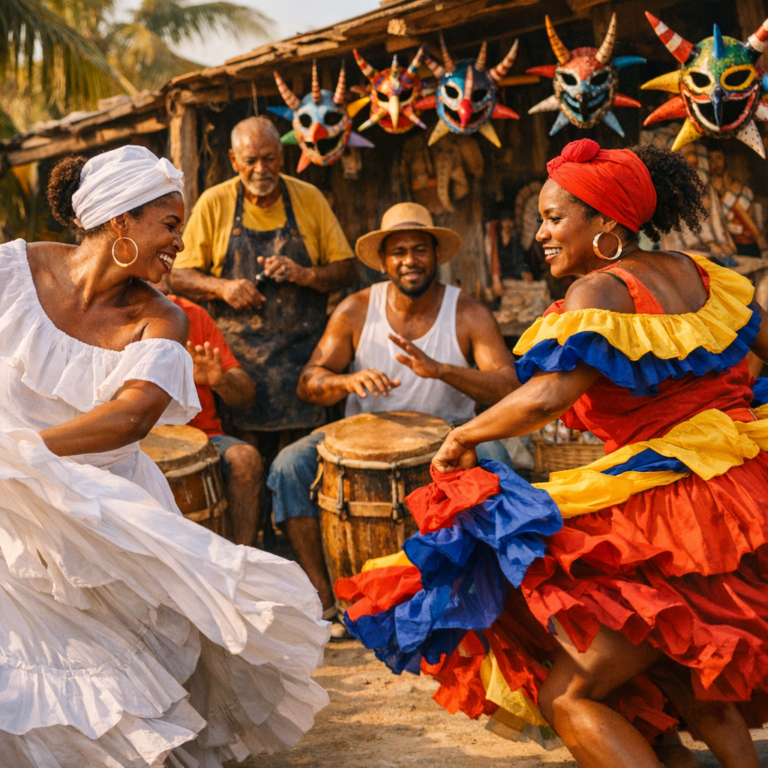
That history produced a Pacific coast culture distinct from anything on Colombia's Caribbean side. The music here — currulao, built on marimba de chonta and cununo drums — carries direct, audible West and Central African lineage, recognized alongside its Ecuadorian counterpart in Esmeraldas as UNESCO Intangible Cultural Heritage. Coastal villages are organized around Afro-Colombian community councils (consejos comunitarios) holding collective land title — a legal recognition of Black ancestral territory unique in Latin America. Come expecting colonial architecture and you'll be disappointed; come expecting one of the most intact Afro-descendant coastal cultures in the hemisphere, and you'll understand why BTN calls this a bucket-list Black travel destination.
Getting Here Is Part of the Story: No Roads, Only Small Planes
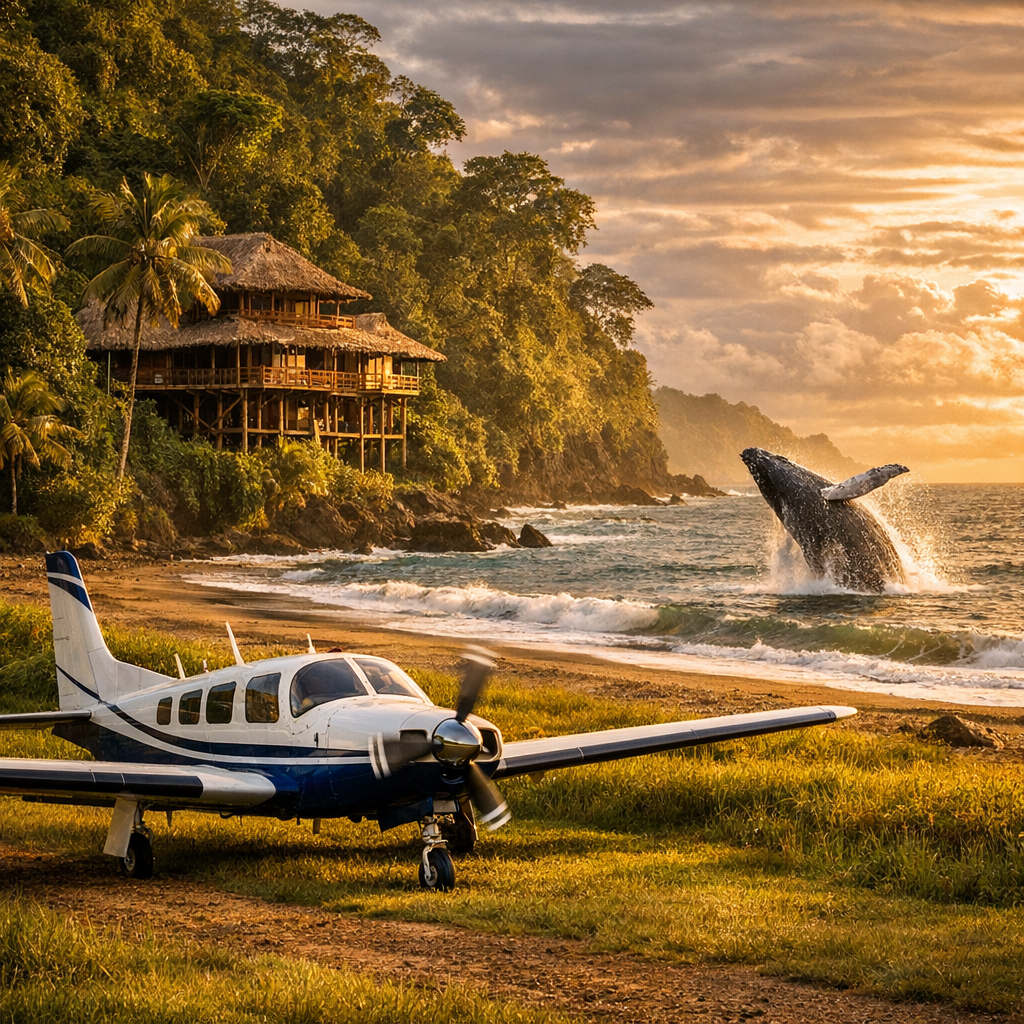
Here is the detail that separates Chocó from every other destination on this site: you cannot drive here. No reliable road network connects Nuquí or Bahía Solano to Medellín, Bogotá, or anywhere else in Colombia — the terrain is too dense, mountainous, and wet. The only realistic way in is a 35-45 minute flight on a small propeller plane (12-19 seats is typical) from Medellín, landing on the airstrip in Nuquí or at Bahía Solano's José Celestino Mutis Airport. Bahía Solano also has infrequent cargo-passenger boat service from Buenaventura, but almost no visitor treats it as a real option — it's a multi-day trip, not a travel plan.
This isolation is a feature, not a bug. It's why Chocó's beaches are empty, its reefs and mangroves are intact, and its culture hasn't flattened into a resort strip. It also means logistics require more planning than a typical Caribbean trip — flights are limited and weather-dependent, so book your connector flight and lodge together, well ahead, especially in whale season.
Whale Watching Season: July Through October
Every year between roughly July and October, thousands of humpback whales migrate north from Antarctic waters to breed and calve in the warm, sheltered Pacific waters off Chocó — and Bahía Solano and Nuquí sit right in the middle of one of the best land- and boat-based whale-watching zones on the planet. Mothers and newborn calves linger close to shore, and it is not unusual to see whales breaching visibly from the beach or from a small boat within twenty minutes of leaving the dock. Local operators in both towns run small-group boat trips specifically timed to this window, and responsible operators keep respectful distance under Colombian marine park guidelines. If whale watching is the reason you're going — and for most BTN readers making this trip, it is — build your dates around this four-month window, with August and September typically considered peak.
Jungle, Waterfalls, and the Pacific Rainforest
Whales aside, Chocó sits within the Chocó-Darién bioregion, a globally recognized biodiversity hotspot. Ensenada de Utría National Park, a fjord-like inlet between the two towns, offers mangrove kayaking, snorkeling, and — in season — more whale sightings inside a protected bay. El Valle, a short hop from Bahía Solano, is a sea turtle nesting site and gateway to jungle waterfall hikes, including the well-known Cascada Sal de Frutas, where a freshwater fall drops through the canopy into a swimmable pool. Natural hot springs (termales) tucked into the jungle make a popular half-day trip. Surfing, reef diving, and sport fishing round out the outdoor menu. This is an eco-lodge destination in the truest sense: thatched-roof cabins on stilts, solar power, and meals built around the morning's catch.
Must-Try Food
Chocoano coastal cuisine runs on fresh Pacific seafood, coconut, and plantain. Look for encocado (fish or shrimp simmered in coconut milk), pusandao (a hearty stew of smoked fish or pork with plantain and yuca), fresh-caught red snapper or sea bass grilled whole on the beach, patacones (twice-fried plantain), and arroz atollado, a rich coconut rice often served alongside the day's seafood. Nearly everything eaten in Nuquí and Bahía Solano was caught, farmed, or grown within a few miles of where it's served — there is no cold-chain supply line running out here, which means the fish on your plate is about as fresh as it gets anywhere in Colombia.
Is Chocó Safe for Black Travelers? A Current, Honest Look
This section matters, and BTN isn't going to soften it. As of this writing, the State Department's Colombia advisory (last updated April 17, 2025) rates the country overall Level 3: Reconsider Travel, citing crime, terrorism, civil unrest, and kidnapping. Its explicit Level 4 "Do Not Travel" zones are Arauca, Cauca (excluding Popayán), Norte de Santander, and the Colombia-Venezuela border — inland areas tied to armed-group activity and trafficking corridors, none on the Pacific coast. Chocó isn't named as a Level 4 zone, but it's also not singled out anywhere as separately safer — the advisory doesn't break the department down by sub-region, so don't read silence as a guarantee.
Context matters here: Chocó's interior — riverine towns along the Atrato and San Juan rivers, and areas near the Panama border — has a documented history of armed-group presence (ELN and FARC-dissident factions) tied to Darién Gap trafficking routes, and that risk is real and separate from the coast. Nuquí, Bahía Solano, and El Valle are established, air-accessible tourist towns built around eco-lodges, dive shops, and whale operators, and their small-plane-only access is itself part of what keeps them insulated from the interior's road-based risks. Still, this isn't a resort bubble: verify the current, dated advisory at travel.state.gov before booking, register with the State Department's STEP program, book only through established local eco-lodges and tour operators (most arrange your airstrip transfer directly), skip any independent overland travel into Chocó's interior, and carry travel insurance with medical evacuation coverage given how remote the region is from major hospitals.
Getting There and Getting Around
Fly first to Medellín (José María Córdova International, MDE, or the downtown Enrique Olaya Herrera airport, EOH, hub for the small regional carriers serving Chocó), then connect via the short propeller-plane hop to Nuquí's Reyes Murillo Airport or Bahía Solano's José Celestino Mutis Airport. Build a buffer day into your itinerary rather than a same-day international connection — small-plane schedules shift with weather. Most eco-lodges arrange your airstrip pickup directly. Once you've landed, neither town has real roads or public transit; movement is almost entirely by boat, with lodges running their own launches for transfers, beach-hopping, whale trips, and day excursions to El Valle or Ensenada de Utría. Bring water shoes — beach landings are a daily routine here.
Best Time to Visit
July through October is the marquee window, driven by humpback whale season — book lodges and flights early, as capacity throughout the region is genuinely limited. Outside whale season, the coast is still a strong pick for diving, surfing, and jungle hikes, with the rainy season (roughly May-November, overlapping partly with whale season) bringing frequent but usually brief downpours typical of tropical rainforest climates.
Budget Guide
All-in trip cost: Budget from roughly $950 per person for round-trip international flights routed through Medellín, the small-plane connector flight, and a multi-night all-inclusive eco-lodge stay (most Chocó lodges price as full-board packages covering meals and some excursions, since there's no restaurant strip to wander). Mid-range: $150-250/day for a well-reviewed eco-lodge with meals, guided hikes, and one or two whale-watching or waterfall excursions included. Higher-end: $300+/day at the region's most polished dive- and surf-focused lodges with private guiding and multiple daily excursions.
Visa Requirements for US Citizens
US citizens do not need a visa to enter Colombia for tourism. On arrival you'll receive a tourist entry stamp valid for up to 90 days, extendable once for a combined stay of up to 180 days within a calendar year. A valid US passport with at least six months' remaining validity and proof of onward travel are standard requirements — the same rules that apply anywhere else you enter Colombia, including Medellín on your way to Chocó.
How This Differs From BTN's Cartagena and Palenque Guides
BTN's Cartagena guide and San Basilio de Palenque guide cover Colombia's Caribbean coast — colonial architecture, the Walled City, and the maroon history of the Americas' first free Black town. This guide is a different country's worth of Colombia: the Pacific coast, reachable only by air, built around whales and rainforest rather than forts and plazas. If Cartagena and Palenque are where you walk through Afro-Colombian history, Chocó is where you see a living Afro-Colombian Pacific culture barely touched by mass tourism. Consider pairing a Caribbean-coast trip with a separate Chocó trip rather than combining them — the two coasts don't connect by land, and each deserves its own visit.
BTN Insider Tips
Pack like you're going somewhere off-grid, because you are. Cash in small denominations, a dry bag, reef-safe sunscreen, and any medication you need — there's no pharmacy strip once you land.
Let the lodge handle logistics. Most Chocó eco-lodges bundle airstrip pickup, meals, and excursions into one package — book the experience, not a flight-and-hotel combo you assemble yourself.
Re-check the advisory close to departure. Advisories are updated periodically — confirm travel.state.gov's current guidance within a few weeks of your trip, not just when you book.
Book Your Trip
Chocó isn't a detour from Colombia — it's the side of the country most travelers never see: a Pacific coastline where Afro-Colombian culture runs deepest, whales breach within sight of the beach, and getting there is its own small adventure. Plan ahead, travel with reputable local operators, and go while it's still this quiet.
✈️ Book Your Chocó Trip Now →*Affiliate links — BTN may earn a commission at no extra cost to you.