The Line Ended Here
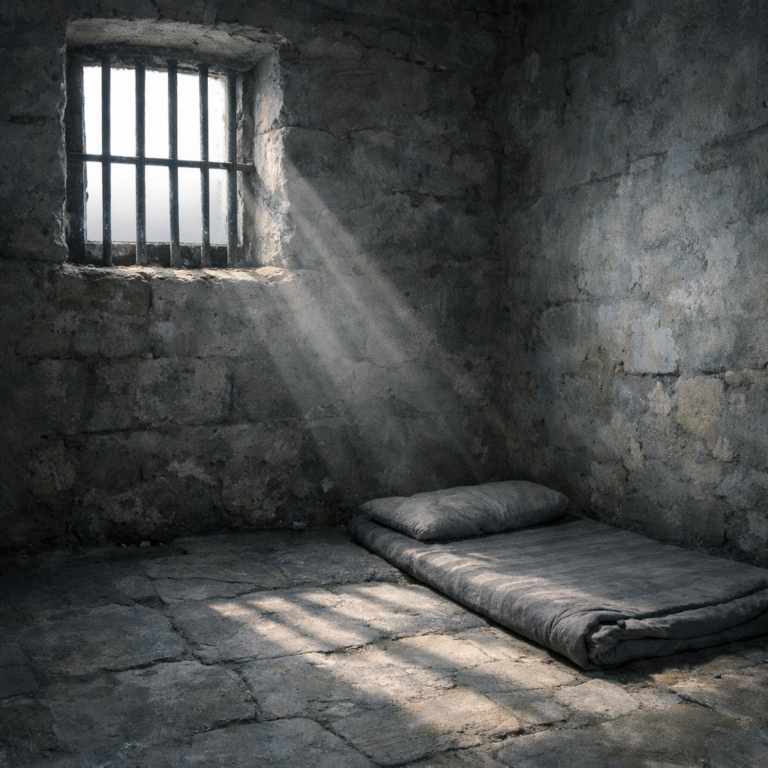
Most Underground Railroad stories are told from the American side — the safe houses, the conductors, the terrifying nights on the run. But every one of those journeys was headed somewhere. For tens of thousands of enslaved and formerly enslaved people, "somewhere" was a strip of farmland in Southwestern Ontario, a two-and-a-half-hour drive from Toronto and barely an hour from Detroit, where British law meant freedom was permanent the moment you crossed the border.
Chatham-Kent and Dresden aren't a single stop. They're two settlements, founded a decade apart by two very different men, that together tell the fullest story of Black Canadian history you can experience in a single day. Thirty minutes of country road separates them. What's between them — and what's still standing at each — is not a plaque or a reconstruction. It's a living community founded by people who refused to be property, and the actual cabin, sawmill, and gravestones of the man Harriet Beecher Stowe turned into "Uncle Tom."
The Elgin Settlement: Buxton's Planned Community of Freedom
In 1849, Reverend William King — a Scots-Irish Presbyterian minister who had inherited enslaved people through marriage in Louisiana and freed them rather than sell them — partnered with Lord Elgin, then Governor General of British North America, to found the Elgin Association. The Association purchased roughly 9,000 acres of crown land in Raleigh Township, near present-day Chatham, and began selling small parcels to Black settlers on installment plans, with schooling, a church, and community infrastructure built in from the start.
This is the detail that separates Buxton from most Underground Railroad history: it was not a refugee camp. It was a plan. Families who arrived with nothing were able to own land outright, and did. By the early 1860s, the Elgin Settlement had grown to roughly 1,000 residents, supporting a steam-powered grist mill and sawmill, general stores, a blacksmith, a school considered among the best in the region — white families reportedly sent their children to it — and a church seating 200. In 1999, the site was designated a National Historic Site of Canada.
What makes Buxton exceptional today isn't just the history — it's the continuity. North Buxton is still home to descendants of the original 1850s settlers, several generations deep. The Buxton National Historic Site and Museum sits at the heart of the community, housing artifacts, the original schoolhouse, and exhibits tracing individual settler families by name. Walk the grounds and you're not visiting a recreation — you're standing where those families' descendants still gather.
Josiah Henson: The Real History Behind "Uncle Tom"
Thirty minutes north, in Dresden, sits the second half of this story — and the one that requires the most careful telling.
Josiah Henson was born enslaved in Maryland in 1789. In 1830, after a lifetime of enslavement that included being sold away from his family as a child and enduring brutal violence as an adult, Henson escaped with his wife and children — traveling through Indiana and Ohio before crossing into Canada. He became a free man on October 28, 1830. He did not stop there. Over the following years, historical accounts credit Henson with personally returning to the United States multiple times and leading an estimated 118 enslaved people north to freedom, at direct and repeated risk to his own life and liberty.
In 1841, Henson co-founded the Dawn Settlement near Dresden, purchasing 200 acres to build a self-sufficient community centered on the British American Institute, a school and vocational training center for formerly enslaved people and free Black settlers. Dawn became a hub for skilled trades, agriculture, and education — another example of Black Canadians building durable, permanent institutions rather than simply finding refuge.
In 1849, Henson published his autobiography, The Life of Josiah Henson, Formerly a Slave, Now an Inhabitant of Canada, as Narrated by Himself. That book is widely believed to have influenced Harriet Beecher Stowe as she wrote Uncle Tom's Cabin, published in 1852 — one of the best-selling and most politically consequential novels in American history.
Setting the Record Straight: Why the Museum Changed Its Name
Here is the part every visitor needs to understand before they arrive, because it's the whole point of the site.
For decades, the historic property in Dresden was called "Uncle Tom's Cabin Historic Site." That name made sense in 1964, when the site opened to the public — Henson's connection to Stowe's novel was, and remains, his single most famous historical footnote. But in the century between the novel's publication and today, "Uncle Tom" stopped being a reference to a real man's courage and became something else entirely: a slur, deployed against Black people accused of excessive deference to white authority. That meaning has nothing to do with Josiah Henson. It comes largely from decades of minstrel-show stage adaptations that flattened and distorted Stowe's original character into a servile caricature — a distortion that then got projected backward onto the real, historical Henson, a man who risked his life over and over to free others and who never submitted to anyone.
In 2022, the site was officially renamed the Josiah Henson Museum of African-Canadian History — a change made specifically to separate the real man from the slur his name had been reduced to, and to reframe the site around what it actually preserves: the physical remains of a Black-led settlement, built by a man who escaped bondage and then spent years going back for others. When you visit, you are not visiting a monument to submission. You're visiting the home of a resistance leader.
What You'll See at the Museum Today
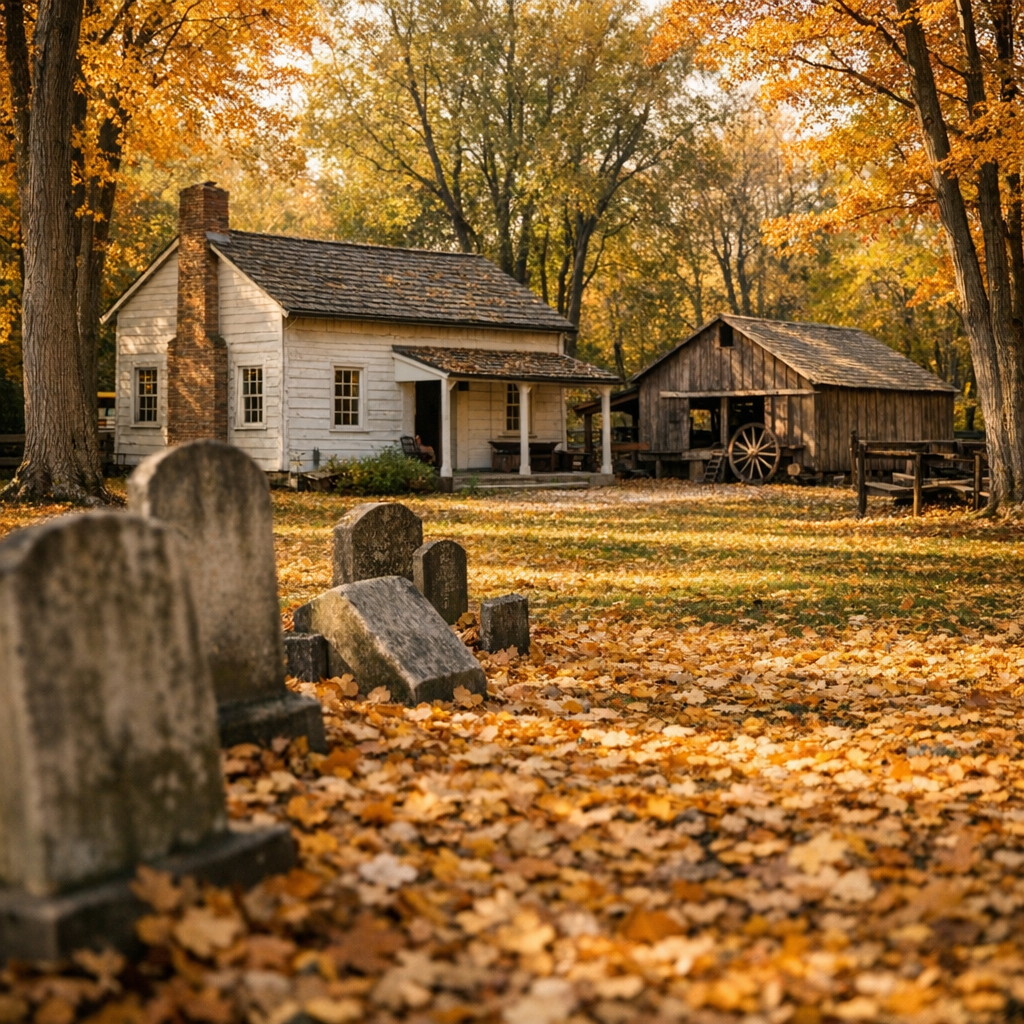
The Josiah Henson Museum of African-Canadian History preserves several original and relocated structures from the Dawn Settlement era on a small wooded property outside Dresden, including a 19th-century wood-frame homestead associated with Henson's family, the site of the settlement's sawmill operation, and a historic cemetery where members of the founding community — including Henson himself — are buried. Interpretive exhibits inside the visitor center walk through Henson's biography, the mechanics of the Underground Railroad's Canadian terminus, and the Dawn Settlement's role as a self-governing Black community decades before Confederation. The site operates seasonally; check the museum's current hours before making the trip, as they vary by time of year.
A Full Day of Black Canadian History
Because Buxton and Dresden sit roughly thirty minutes apart with Chatham as a natural midpoint, this is genuinely doable as a single, unhurried day trip:
- Morning: Start at the Buxton National Historic Site and Museum in North Buxton. Budget at least two hours — the exhibits reward slow reading, and the on-site historians and community members are often available to talk.
- Midday: Drive into Chatham for lunch and a stop at the Chatham-Kent Black Historical Society or the Freedom Park / Underground Railroad monuments downtown — Chatham itself was a major Underground Railroad hub and the site of the 1858 convention where John Brown planned the raid on Harper's Ferry.
- Afternoon: Head north to Dresden for the Josiah Henson Museum of African-Canadian History. Allow two to three hours, including time in the cemetery.
- Labour Day weekend: If your schedule allows it, time your trip to North Buxton's annual Homecoming — a multi-generational reunion weekend that draws descendants of the original settlers back to the community from across Canada and the U.S. It is the single best time to experience Buxton not as a museum but as a living community.
Where to Stay
This is a day-trip region rather than a resort destination, and that's part of its charm — there's no tourist infrastructure standing between you and the history. Chatham has the area's main concentration of chain hotels and is the most practical base. Windsor, about an hour west, offers a larger selection of hotels and is a reasonable option if you're combining this trip with a Detroit visit or flying into DTW.
🏨 Book Chatham-Kent Area Hotels →Getting There
The easiest approach for most U.S. travelers is flying into Detroit Metro Airport (DTW) and driving across the border via the Ambassador Bridge or the Detroit-Windsor Tunnel — Chatham is about an hour east of the crossing. From Toronto, it's a straightforward 2.5-hour drive west on Highway 401. There's no meaningful rail or bus option that gets you close to Buxton or Dresden, so plan on a rental car either way.
✈️ Find Flights to Detroit or Toronto →Best Time to Visit
Late spring through fall (May–October) is the most comfortable window, with warm days and both sites fully open on their regular seasonal schedules. Fall is especially striking — the wooded grounds around the Henson Museum turn brilliant with autumn color, and the cooler weather makes the outdoor cemetery and grounds more pleasant to walk. If you can align your trip with Labour Day weekend, North Buxton's annual Homecoming adds a layer of living community history no other week of the year offers. Winters are genuinely cold and several outdoor elements of both sites may have reduced access — plan for the warmer months.
Budget Guide
Budget: $80–120/day CAD — modest hotel or motel in Chatham, diner meals, museum admission fees, and gas.
Mid-range: $150–220/day CAD — better hotel, a sit-down dinner, and a more leisurely two-day pace covering both sites plus downtown Chatham's Black history markers.
Luxury: $250+/day CAD — basing in Windsor or Toronto with a private day-tour driver and higher-end dining.
BTN Insider Tips
Call ahead before you drive out. Both the Buxton museum and the Henson Museum operate on seasonal hours and can have limited days of operation outside peak season — confirm before you commit the drive.
Bring cash for smaller sites. Community museums in rural Ontario don't always have reliable card readers.
Read before you go. Henson's own 1849 autobiography is short, public domain, and available free online — reading even a chapter before your visit changes how the site lands.
Talk to people. In North Buxton especially, many of the volunteers and staff you'll meet are direct descendants of the settlers whose names are on the exhibits. Ask questions. This is family history, told firsthand.
Pair it with Chatham. Don't skip downtown Chatham itself — it was a major Underground Railroad terminus in its own right and the site of real abolitionist organizing, including the 1858 planning convention for the raid on Harper's Ferry.
Is This Region Safe for Black Travelers?
Chatham-Kent is a quiet, rural part of Ontario with low crime rates and no particular safety concerns for Black travelers. Canada's legal protections and general public attitude toward diaspora and Black Canadian visitors are strong, and this specific region's entire modern tourism identity is built around honoring Black history — you will be visiting communities where that history is a source of active local pride.
Mark Your Calendar
- Labour Day Weekend (early September) — North Buxton Homecoming, an annual multi-generational reunion for descendants of the Elgin Settlement's founding families
- February — Black History Month programming at both the Buxton and Henson museums
- Year-round — Guided tours available by appointment at both sites outside peak season; confirm availability directly
Book Your Trip
The Underground Railroad's most-told stories happen south of the border. The ending happens here — in two small Ontario communities that took freedom and built something permanent with it. Give it a full day.
✈️ Plan Your Chatham-Kent Trip Now →*Affiliate links — BTN may earn a commission at no extra cost to you.