The Most Colorful City in the Americas — And It Belongs to Us Too
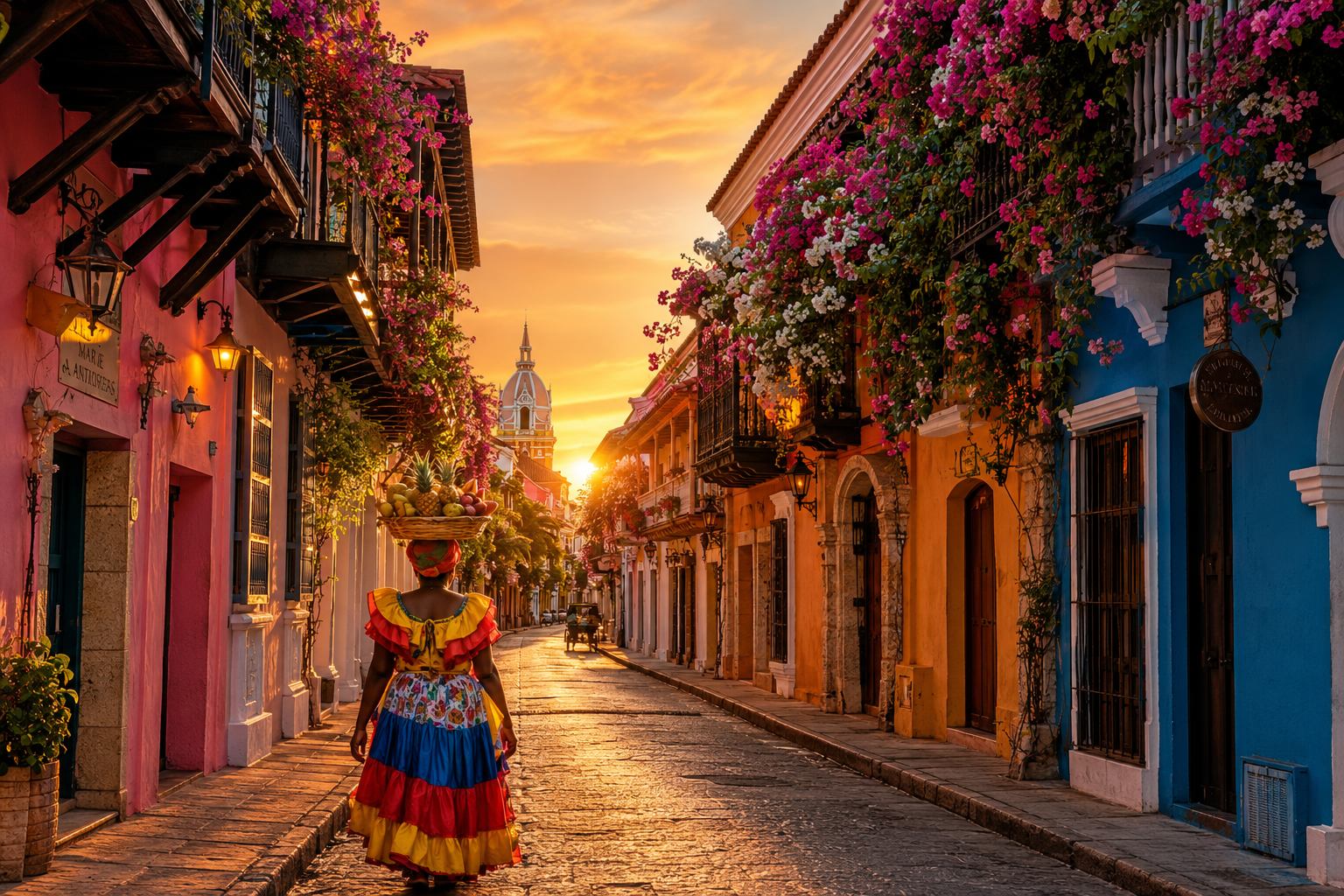
Nobody tells you that Cartagena will feel familiar. They tell you about the colors — the bougainvillea cascading from colonial balconies, the pink and yellow walls of the old city glowing in the Caribbean afternoon light, the women in their spectacular floral dresses balancing fruit baskets on their heads with impossible grace. They tell you about the beaches and the food and the music. What they don't tell you is that when you walk through Getsemaní — Cartagena's historically Black neighborhood, the one that powered Colombia's independence, the one that European tourists are still just discovering — you'll feel something that Black travelers feel in very few places in Latin America: seen, rooted, and at home.
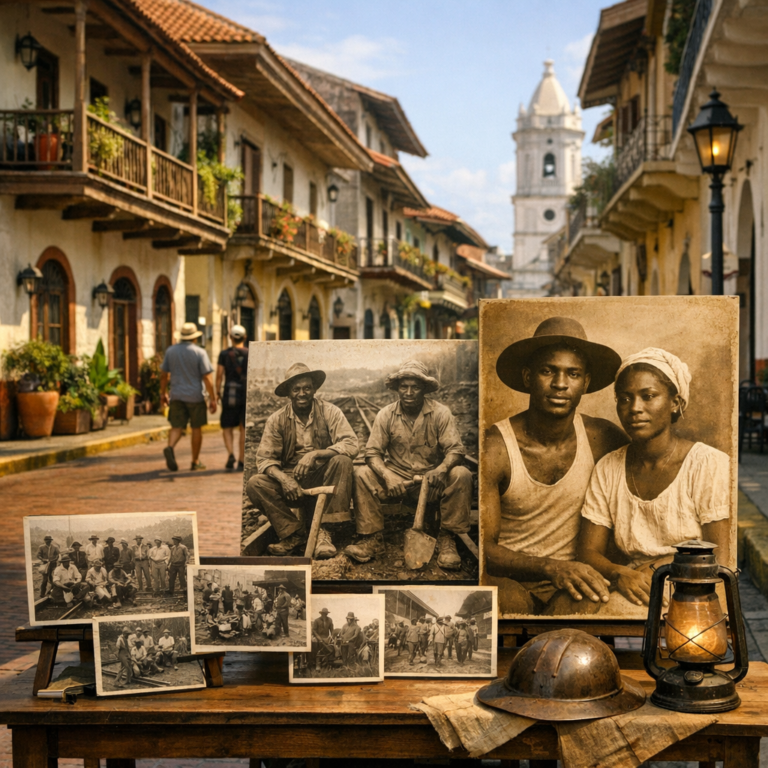
Cartagena's Afro-Colombian heritage is not a footnote. It is the foundation. The city was built on enslaved African labor. Its independence was won largely by Afro-Colombian fighters. Its food, its music, its rhythms, its character — all are deeply, undeniably African. For the diaspora, coming here is not just a vacation. It's a reconnection.
Why Black Travelers Choose Cartagena
Cartagena sits at a rare intersection — stunning natural beauty, extraordinary African diaspora history, world-class food, and a cultural scene that is genuinely rooted in Afro-Colombian identity. Unlike many Latin American destinations where Blackness exists on the margins, in Cartagena it sits at the center. The Palenqueras — Afro-Colombian women descendants of the first free Black community in the Americas — are the city's most iconic image. Their story predates American emancipation by nearly two centuries.
Add the practical advantages — Caribbean beaches, direct flights from major US cities, a cost of living significantly lower than US and European equivalents, and Spanish easy enough for non-speakers to navigate with confidence — and Cartagena becomes one of the most compelling travel decisions a diaspora traveler can make.
Must-See Monuments & Historic Sites
San Basilio de Palenque — 45 minutes from Cartagena, this is arguably the most important site in the African diaspora of the Americas. Founded in the early 1600s by escaped enslaved Africans led by Benkos Biohó, Palenque was the first free Black settlement in the Western Hemisphere — decades before any North American emancipation. UNESCO recognized it as an Intangible Cultural Heritage of Humanity. Visiting Palenque is a profound act of diaspora connection. The community still speaks Palenquero — a creole language blending Spanish and Bantu African languages that has survived 400 years.
Las Murallas (The Walls) — Cartagena's massive 16th-century defensive walls, built largely by enslaved African labor, encircle the old city and represent one of the most significant colonial military engineering projects in the Americas. Walking the walls at sunset, looking out over the Caribbean, the weight of what was built here — and by whom — is impossible to ignore.
Castillo San Felipe de Barajas — The largest Spanish colonial fortress in the Americas, completed in 1763 using the forced labor of enslaved Africans. The tunnels beneath the castle, designed for troop movement and communication, are extraordinary to walk through. The fortress sits dramatically above the city with panoramic views.
Getsemaní Neighborhood — This is where Cartagena's African heritage lives most visibly today. Once the neighborhood of enslaved and free Africans, artisans, and workers, Getsemaní is now experiencing a cultural renaissance — street murals, Afro-Colombian music venues, community-run restaurants, and art galleries operated by descendants of those original residents. The Plaza de la Trinidad at night is one of the most joyful and authentic experiences in the city.
Top Tourist Attractions
Old City (Ciudad Amurallada) — The UNESCO-listed historic center is one of the most beautiful urban environments in the Americas. Walk every street. Every corner reveals a new color, a new balcony of bougainvillea, a new story. The old city is magical at any time of day but transcendent at sunset and in the blue hour just after.
Islas del Rosario — A chain of coral islands about 45 minutes by boat from Cartagena with crystal clear Caribbean water, excellent snorkeling, and a relaxed beach energy that is the perfect counterpoint to the city's intensity. Day trips leave from the Muelle Turístico every morning.
Playa Blanca, Barú — The finest beach near Cartagena — a long crescent of white sand on the Barú peninsula with turquoise water that photographs like a postcard and delivers in person. Go early and avoid the vendors who will approach relentlessly; the beach itself is worth it.
Gold Museum (Museo del Oro Zenú) — A remarkable collection of pre-Columbian Zenú gold work that tells the story of the Indigenous people who inhabited this region before European contact. Small but extraordinary.
Where to Eat — Must Try
Posta Negra, Getsemaní — The iconic Afro-Colombian restaurant in the heart of Getsemaní serving traditional coastal Colombian cuisine in a beautiful courtyard setting. The arroz con coco (coconut rice), fried red snapper, and patacones (fried green plantain) here are definitive versions.
La Cevichería — Anthony Bourdain came here and never stopped talking about it. The ceviche is extraordinary — fresh fish and seafood "cooked" in citrus with Colombian spices in combinations that feel both familiar and revelatory. Arrive early; there's usually a wait.
El Santísimo — For the meal of your trip, this intimate restaurant in the old city serves the finest version of contemporary Colombian coastal cuisine available. The grilled octopus and the whole fried fish with Caribbean salsas are extraordinary. Reservations essential.
Street food in Getsemaní — The best food in Cartagena costs almost nothing and comes from the women cooking in doorways and on street corners in Getsemaní. Empanadas, arepas, fried carimañolas (yuca dumplings stuffed with meat) — follow the smell and order everything that looks good.
Palenqueras — The Afro-Colombian women selling fresh tropical fruit from their head baskets throughout the old city. Buy from them. The interaction is one of the most beautiful and direct connections to Afro-Colombian culture a visitor can have, and supporting Palenquera women is supporting the living legacy of San Basilio.
Where to Stay
Luxury: Hotel Casa San Agustín is Cartagena's finest property — a converted 17th-century colonial mansion in the old city with plunge pools in some suites and service that is genuinely exceptional. Sofitel Legend Santa Clara occupies a former 17th-century convent and is one of the most dramatically beautiful hotels in Latin America.
Mid-Range Boutique: The old city has dozens of beautifully restored colonial casa boutique hotels — Hotel Anandá, Casa Relax, El Marqués — that offer the full Cartagena aesthetic at reasonable prices. These are often the best value in the city.
Budget: Getsemaní has excellent guesthouses and small hotels that put you in the most authentic neighborhood in the city. Staying in Getsemaní rather than the old city gives you a more genuine Cartagena experience and saves significantly on accommodation costs.
🏨 Book Cartagena Hotels →Getting There
Rafael Núñez International Airport (CTG) has direct flights from Miami (American Airlines), Fort Lauderdale (Spirit), New York (JetBlue and United), and Toronto (Air Transat). Flight times from the US East Coast are typically 3-4 hours — making Cartagena one of the most accessible Caribbean-caliber destinations from major diaspora cities.
✈️ Find Cartagena Flights →Best Time to Visit
Cartagena's best months are December through April — dry season, low humidity, consistent sun. The rainy season (May through November) brings afternoon showers that are usually brief and the city sees significantly fewer tourists and lower prices. December and January are peak season with the highest prices. The BTN recommendation: February or March — dry season fully established, before Easter crowds, excellent prices.
Budget Guide
Budget: $60-100/day — Getsemaní guesthouse, street food and local restaurants, public transport.
Mid-range: $150-250/day — boutique old city hotel, restaurant dining, day trips to islands.
Luxury: $400+/day — Casa San Agustín or Sofitel, private tours, fine dining nightly.
BTN Insider Tips
Visit Palenque. Full stop. No other experience in Cartagena will stay with you longer. Hire a local guide from the community — the history comes alive differently when it's told by a descendant.
Spend evenings in Getsemaní rather than the tourist restaurants of the old city. The Plaza de la Trinidad on a weekend night is one of the great free experiences in Latin America.
Learn basic Spanish. Unlike many Caribbean destinations, English is not widely spoken outside tourist establishments. Even rudimentary Spanish will dramatically improve your experience.
Bargain for everything at the craft markets. Opening price is not the real price. Be friendly, be patient, and a 30-40% reduction from the asking price is standard.
Is Cartagena Safe for Black Travelers?
Cartagena is one of Colombia's safest cities for tourists and is generally welcoming to Black travelers — particularly given its own deep Afro-Colombian identity. Standard urban caution applies: use Uber over unmarked taxis, avoid displaying expensive jewelry and electronics, and stick to well-trafficked areas after midnight. For Black women — solo or in groups — the old city and Getsemaní are generally very safe during the day and evening. Be aware that harassment from vendors and touts can be persistent; a firm "no gracias" repeated calmly works consistently.
Book Your Cartagena Trip
Cartagena is one of the most beautiful cities in the Americas, built on African hands and African culture, waiting to be reclaimed by African descendants. Go.
✈️ Book Your Cartagena Trip →*Affiliate links — BTN may earn a commission at no extra cost to you.