The Village That Was Briefly the Largest Free Black Settlement on Earth
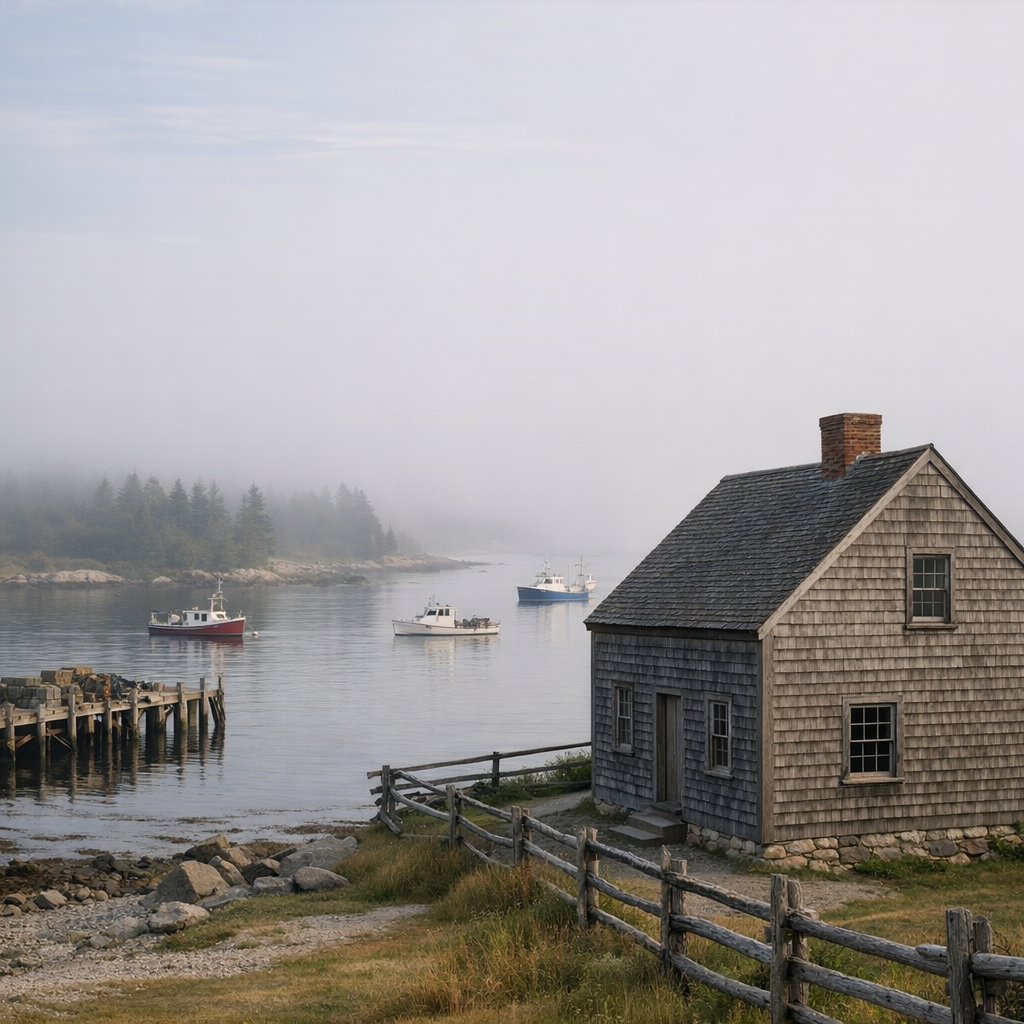
On a windswept stretch of shoreline near Shelburne, Nova Scotia, a small fishing village called Birchtown holds one of the most remarkable and least-told chapters of Black history in North America. For a brief, extraordinary moment in the 1780s, this quiet Atlantic Canadian settlement was home to more free Black people than anywhere else in the world outside of Africa — a fact confirmed at the time by newspapers in both New York City and London.
Birchtown is not a household name the way Cape Coast Castle or Colonial Williamsburg are. But for anyone tracing the full, complicated arc of the Black diaspora — from bondage, to wartime promises, to hard-won freedom, to betrayal, to a second migration across the Atlantic — Birchtown is essential. This is a story about people who fought for their freedom, won it on paper, and then had to fight all over again just to survive the fine print.
How Freedom Was Won: Black Loyalists and the American Revolution
During the American Revolutionary War, the British made an offer that changed the course of thousands of lives: enslaved people who left their rebel-supporting enslavers and served the British Crown would be granted their freedom. Tens of thousands of enslaved Black Americans took that offer, serving as soldiers, laborers, pilots, cooks, and spies in support of the British war effort. They became known to history as the Black Loyalists.
When the British lost the war and began evacuating New York City in 1783, this created an enormous problem — and an enormous opportunity. Former enslavers demanded the return of what they still considered their "property." The British, to their credit in this instance, largely refused. Instead, British commanders honored the wartime promise of freedom and arranged for the evacuation of Black Loyalists to British territory, chiefly Nova Scotia, along with White Loyalists fleeing the newly independent United States.
The Book of Negroes: A Ledger of Freedom
Before any Black Loyalist could board a ship out of New York, their name, age, physical description, and details of their enslavement and wartime service were recorded in a document that has become one of the most important historical records of the African diaspora: the Book of Negroes. Compiled under the authority of British Brigadier General Samuel Birch, the ledger was, in effect, a list of freedom — proof that the person named within it had earned their liberty and could not be legally re-enslaved. Individuals also received personal freedom papers known as General Birch Certificates.
Roughly 3,000 Black Loyalists sailed from New York to Nova Scotia in 1783, their names preserved forever in that ledger. It remains one of the only surviving documents that lets descendants and historians trace specific individuals — by name, origin, and enslaver — out of bondage and into freedom. Today, the Book of Negroes is digitized and searchable, transforming what was once a bureaucratic wartime document into a genealogical bridge for thousands of families across Canada, the United States, and beyond.
Birchtown Is Born
The Black Loyalists who arrived near Shelburne established their own settlement on land granted — often reluctantly and in far smaller parcels than promised — by British colonial authorities. They named it Birchtown, after General Birch himself. At its peak, Birchtown grew to become the largest free Black settlement in North America and, by the reporting of the era's newspapers, the largest concentration of free Black people anywhere in the world outside the African continent.
It was a community built almost entirely by people who had been enslaved just months earlier — founding churches, forming militias, building homes from timber and sod, and creating the first free Black self-governing settlements in what would become Canada. Preacher and community leader figures like David George, who helped found the first Black Baptist church in Nova Scotia, emerged from Birchtown's early years, and the settlement became a spiritual and civic anchor for Black Loyalists across the Maritimes.
The Broken Promise
Here is the part of the Birchtown story too often left out of the brochure version: freedom did not mean equality, and the land grants that Black Loyalists had been promised in exchange for their wartime service rarely materialized in full — and when they did, they arrived late, undersized, and on the poorest, rockiest soil available. White Loyalists, arriving in the same wave, routinely received larger and better plots. Black Loyalists in Birchtown were also subjected to forced and unpaid labor, racial discrimination, and, in 1784, one of the first documented race riots in North American history, when White residents of nearby Shelburne violently attacked Black Loyalist homes and businesses.
Combined with brutal Nova Scotia winters, inadequate supplies, and land too poor to reliably farm, life in Birchtown became a slow-motion crisis. The freedom that had been won through wartime service was real — but the promised means to build a life on that freedom largely was not.
1792: The Second Crossing to Sierra Leone
By the early 1790s, conditions in Birchtown and other Black Loyalist settlements across Nova Scotia had become so difficult that when the British and the Sierra Leone Company offered free passage to a new colony in West Africa — land that would be theirs outright, with the promise of full civil rights — nearly 1,200 Black Nova Scotians accepted.
In January 1792, roughly 1,255 people set sail from Halifax for Freetown, Sierra Leone, in a fleet of fifteen ships. About 600 of them departed from Birchtown and Digby alone, with hundreds more leaving from Preston, Annapolis, and New Brunswick communities. This journey is now remembered as the story of the Nova Scotian Settlers, and their descendants became a founding population of the Sierra Leone Creole people — meaning the roots planted in Birchtown eventually branched into a new nation on the African continent.
It is a piece of this history that deserves to be told alongside the triumphant founding of Birchtown, not tucked beneath it: thousands of people who had already been forced across one ocean in chains, then crossed a second ocean as free people to Nova Scotia, made a third transatlantic crossing in search of a promise that Britain had still not kept the first two times. Those who remained in Birchtown and other Nova Scotian communities became the ancestors of today's Black Nova Scotian (African Nova Scotian) population, one of Canada's oldest and most historically significant Black communities.
The Black Loyalist Heritage Centre
Opened in June 2015 on a two-acre property overlooking Shelburne Harbour, the Black Loyalist Heritage Centre now stands on the original Birchtown townsite as the primary gateway to this history. Built in the design of the historic meeting houses that once anchored the community, the Centre tells the story of what it calls the largest free African population outside of Africa in the late eighteenth century.
Inside, visitors can:
- Search interactive digital displays connected to the historic Book of Negroes ledger, looking up individual Black Loyalists by name
- View a wall of windows etched with the names of Birchtown's original Black Loyalist settlers
- Tour rotating and permanent exhibitions on Black Loyalist history, the 1792 Sierra Leone migration, and African Nova Scotian heritage, including maritime and community-life exhibits
- Walk the grounds to the National Monument commemorating the 1783 Black Loyalist Landing at Birchtown
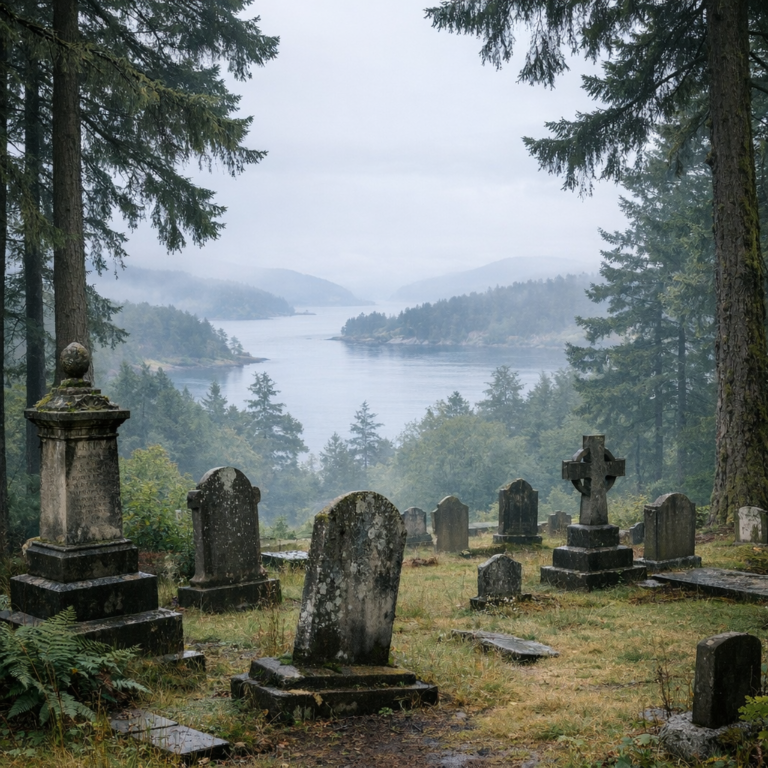
- Visit the adjacent Birchtown Burial Ground and townsite trails, where archaeological work continues to uncover the footprint of the original settlement
Birchtown was designated a National Historic Site of Canada in 1997, cementing formal national recognition of its significance decades before the Heritage Centre building itself opened. Because hours, seasonal closures, and admission fees change year to year, confirm current visiting hours directly with the Black Loyalist Heritage Centre before you go.
Planning Your Visit
Birchtown sits about 2.5 hours southwest of Halifax by car along Highway 103, just outside the town of Shelburne — itself worth a stop for its preserved Loyalist-era waterfront and historic district. There is no direct bus or rail service, so renting a car in Halifax is the practical way to reach the site. Plan for a half-day visit to properly take in the Heritage Centre, the burial ground, and the walking trails across the original townsite.
Pair your trip with a night or two in Shelburne, where working harbor views, seafood restaurants, and a walkable historic downtown make an easy, low-key base. Nova Scotia's short, spectacular summer (June through September) is the most comfortable and accessible time to visit, though the Centre and grounds carry historical weight in any season.
Where to Stay Nearby
Shelburne waterfront: Small inns and guesthouses along the historic Dock Street area put you within a five-minute drive of Birchtown and walking distance of Shelburne's restaurants and museums.
Halifax: If you're combining Birchtown with a broader Nova Scotia itinerary, Halifax offers the widest range of hotel options and makes a strong home base for day trips across the South Shore.
🏨 Find Nova Scotia Stays →Getting There
Fly into Halifax Stanfield International Airport (YHZ), which has direct connections from major cities across Canada and the northeastern United States. From Halifax, it's a scenic drive down the South Shore — passing Mahone Bay and Lunenburg — to reach Shelburne and Birchtown.
✈️ Find Flights to Halifax →BTN Insider Tips
Search your own family name in the Book of Negroes database. Many African American and African Nova Scotian families have discovered direct ancestral links during a Heritage Centre visit — build in extra time in case a name matches.
Don't skip the burial ground. It's a quiet, unassuming plot of land, but it holds some of the earliest identifiable free Black graves in Canada.
Combine it with Shelburne's Loyalist history. The town's museums tell the White Loyalist side of the same 1783 arrival, which adds important context to the disparities Black Loyalists faced.
Bring layers. Even in summer, the Atlantic coast can be foggy and cool, especially in the morning.
Is Birchtown Worth the Detour?
Yes — unequivocally. Birchtown is not a polished, high-traffic tourist attraction, and that is precisely its power. It is a place where you can stand on the actual ground where thousands of formerly enslaved people built a free community from nothing, search for their names in a 240-year-old ledger, and then reckon honestly with what happened when the freedom they won still wasn't enough to guarantee them a fair life. It is a profoundly important stop for any traveler tracing the full, unfinished story of Black freedom across the Atlantic world.
*Affiliate links — BTN may earn a commission at no extra cost to you.