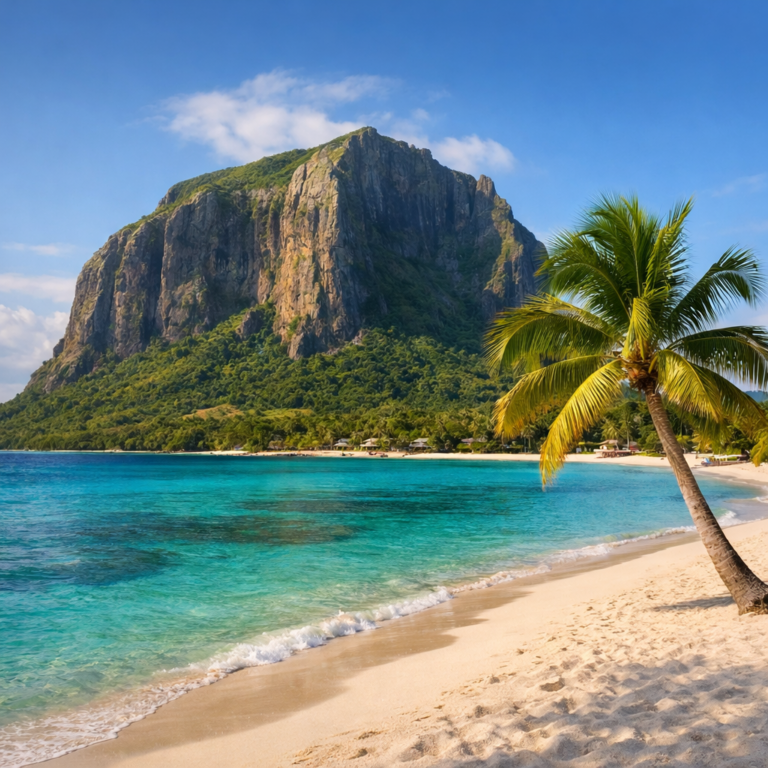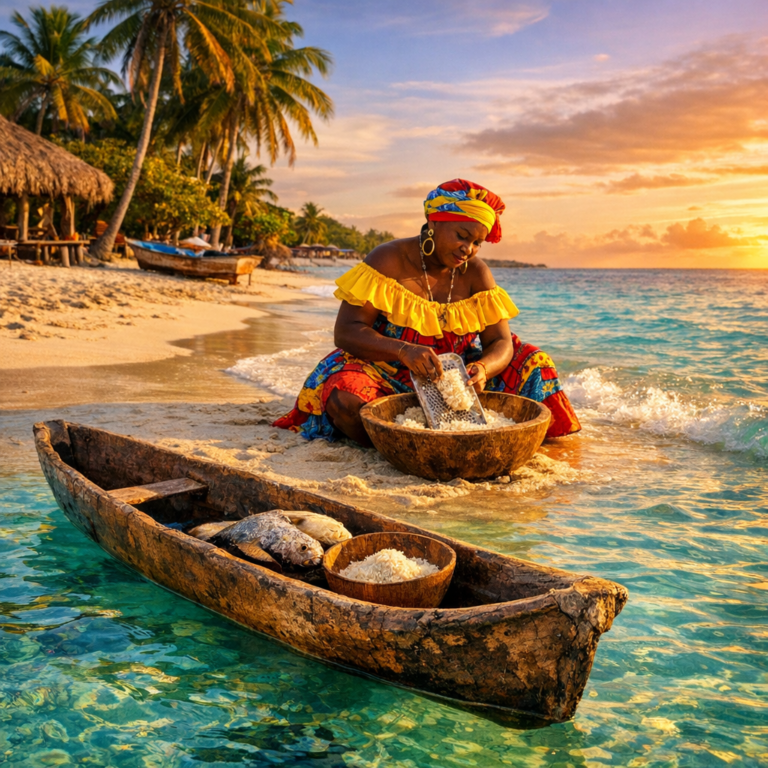
The Island That Broke the Internet — For All the Right Reasons
Scroll through Black travel Instagram and TikTok long enough and you'll see it: an infinity pool hanging over emerald rice terraces, a laptop propped open at a jungle co-working cafe, a woman in linen catching golden hour on a clifftop in Uluwatu. Bali has become one of the most photographed diaspora travel destinations on the planet — and unlike a lot of aspirational travel content, the reality genuinely holds up. This is an island where a $150-a-night villa comes with a private pool and a staff, where a flat white and a workspace cost less than a coffee at home, and where a real, organized Black expat and creator community has built something worth flying 20 hours for.
Bali isn't a "someday" destination anymore. It's a right-now one — and it's more accessible to plan than most travelers assume.
Why Black Travelers Keep Choosing Bali
The single biggest shift in Bali's Black travel story over the last several years has a name: Black in Bali. Founded in 2019 by American expats Jana Williams, her partner Prez, and Dharma Martin, Black in Bali started as a small circle of friends looking for community on an island where they were often the only Black faces in the room. It has since grown into a full community and concierge organization with tens of thousands of followers, running R&B Sunday parties, pool days, game nights, wellness meetups, and volunteer events throughout the year. Their annual Juneteenth takeover has become a fixture on the diaspora travel calendar, and in 2026 the group is launching its first "Soulful Root Health and Wellness Retreat," pairing sound healing and yoga with cultural celebration.
What that means practically for you: you can land in Bali solo, follow one Instagram account, and have a built-in social circle, restaurant recommendations for Black-owned businesses, and a first event to attend within days. That kind of soft landing is rare anywhere in Southeast Asia, and it's a huge reason Bali keeps showing up in Black traveler group chats as the trip everyone is planning next.
The Visa: What US Citizens Actually Need to Know
Bali's visa process is one of the least stressful parts of this trip, and it's worth verifying the current numbers before you book — Indonesia has adjusted its visa system more than once in recent years, and outdated blog posts still circulate. Here's what's accurate as of mid-2026:
- The e-VOA (electronic Visa on Arrival) can be applied for entirely online in advance through Indonesia's official portal, evisa.imigrasi.go.id, and typically approved within a day or two.
- The fee is roughly IDR 500,000, which converts to approximately $32–$35 USD. This rate has been stable since 2019, with no major fee hike documented heading into 2026 — but always confirm the current price on the official portal before paying, since third-party visa agencies often tack on service fees on top of the government rate.
- It grants a 30-day stay from your date of entry (the e-VOA document itself is valid for up to 90 days from issuance for you to actually travel and use it).
- It can be extended exactly once, for an additional 30 days, bringing your maximum stay to 60 days total. Extension requests can be started online through the same immigration portal, though some recent immigration guidance indicates travelers may still need to complete a photo and biometric check-in at a local immigration office to finalize it — build in a buffer day for this if you're planning to stay the full 60.
- After the single extension, you must leave the country — there's no further conversion to a longer-stay visa from inside Indonesia on a tourist e-VOA.
Bottom line: for a standard one-to-four-week trip, you're looking at about $35 and a form filled out from your couch. That is about as painless as international travel documentation gets.
Best Neighborhoods to Base Yourself
Canggu — Bali's digital-nomad and creator capital. Wide beaches, a dense cluster of co-working spaces and laptop-friendly cafes, and the highest concentration of Black expats and long-term travelers on the island. This is ground zero for Black in Bali's community events.
Ubud — The island's cultural and wellness heart, set inland among rice terraces. Slower pace, yoga studios on every corner, and a strong holistic-health and creative community. A favorite for travelers prioritizing retreats over nightlife.
Uluwatu — Clifftop resorts, world-class surf breaks, and the most dramatic infinity-pool views on the island. Increasingly the go-to for the "affordable luxury villa" aesthetic that dominates Bali's social media presence.
Seminyak — Polished beach clubs, high-end shopping, and Bali's most refined dining scene. More resort-town energy than Canggu, with prices to match.
Sanur — A calmer, more local, family-friendly stretch of coast on the east side, popular with longer-term expats who want distance from the party scene.
Affordable Luxury: The Villa Scene
This is the part of Bali that genuinely surprises first-time visitors. A private one-bedroom villa with its own plunge pool in Canggu or Ubud can run $50–$100 a night. Step up to a multi-bedroom clifftop villa in Uluwatu with a full infinity pool, daily housekeeping, and breakfast service, and you're often still under $250 a night — split between friends, that's boutique-hotel pricing for a private estate. Wellness retreats bundling accommodation, yoga, spa treatments, and meals typically range from $80–$200 per night depending on the level of luxury, making Bali one of the most cost-efficient places in the world to book the kind of trip that looks like a five-figure vacation on Instagram.
🏨 Book Bali Villas & Hotels →Where to Eat — Must Try
Nasi goreng — Indonesia's signature fried rice dish, found everywhere from street warungs to hotel breakfast buffets, usually topped with a fried egg and crispy shallots.
Babi guling — Balinese spit-roasted suckling pig, seasoned with a rich turmeric-and-spice paste. Note that this dish reflects Bali's Hindu identity rather than Indonesia's Muslim-majority national culture — it's widely available in Bali specifically and a must-try for those who eat pork.
Sate lilit — Minced fish or chicken satay wrapped around lemongrass skewers, grilled and deeply aromatic.
Balinese kopi — Locally grown coffee, best enjoyed at one of Canggu or Ubud's countless laptop-friendly cafes.
Plant-based Canggu cafes — Bali's wellness-and-nomad crossover has produced one of Southeast Asia's best vegan and vegetarian food scenes, with smoothie bowls and fresh produce sourced from the island's interior.
Cultural Etiquette: Hindu Bali in a Muslim-Majority Nation
Here's a distinction that trips up a lot of first-time visitors: Indonesia is the world's largest Muslim-majority country, but Bali itself is a striking cultural exception — the island is roughly 85% Hindu, with its own distinct temples, ceremonies, and daily rituals that shape everyday life. You'll see small woven offerings (canang sari) placed on sidewalks and doorsteps every morning, elaborate temple ceremonies with locals in full traditional dress, and a spiritual rhythm to the island that feels closer to parts of India than to Jakarta.
A few etiquette notes worth knowing before you go:
- Dress modestly at temples. Shoulders and knees should be covered, and a sarong and sash (often provided or rentable at the entrance) are required at most temple sites — this applies to everyone, regardless of gender.
- Never step over offerings left on the ground — walk around the small woven canang sari baskets you'll see everywhere.
- Remove shoes before entering temples and some homes, and avoid pointing your feet toward people or shrines while seated.
- Public beachwear is fine at beach clubs and resorts, but cover up when walking through villages or visiting religious sites — Bali is more relaxed than mainland Indonesia, but it is not a beachwear-everywhere island.
- Nyepi (Balinese New Year, a "Day of Silence") shuts the entire island down once a year — no flights, no lights, no leaving your hotel. It's a remarkable cultural experience if you happen to be there, but plan your logistics around it in advance.
Getting There: The Flight Reality
Be honest with yourself about this one going in: there are no direct flights from the US mainland to Bali (DPS). Every itinerary from the US routes through a major Asian or Middle Eastern hub — most commonly Tokyo (Narita or Haneda), Singapore, Doha, or Seoul. Total door-to-door travel time typically runs 20–30 hours including layovers, and because you're crossing the International Date Line, most travelers need to plan to depart the US roughly two calendar days before their intended Bali arrival date.
The upside: airlines like Singapore Airlines, ANA, Qatar Airways, and Korean Air all run well-reviewed long-haul legs with the hub stopover built in, and booking a longer layover (8+ hours) in Tokyo, Singapore, or Doha lets you turn the connection into a mini stopover trip of its own.
✈️ Find Bali Flights →Best Time to Visit
Bali's dry season, roughly April through October, offers the most reliable weather, sunny skies, and calmer seas for the island's famous infinity pools and beach clubs. July and August are peak season with the highest prices and biggest crowds; the shoulder months of April-May and September-October bring the same great weather with noticeably better rates on villas.
Budget Guide
Budget: $40–$70/day — guesthouse or shared villa room, warung meals ($2–$5), scooter rental, free beaches and temples.
Mid-range: $80–$150/day — private villa with pool, restaurant dining, spa treatments, day tours.
Luxury: $200–$400+/day — clifftop resort villa, private driver, fine dining, full-service wellness retreat.
BTN Insider Tips
Get an eSIM or local SIM on arrival. Telkomsel and XL both offer cheap, reliable data — essential if you're working remotely or relying on Grab/Gojek.
Follow Black in Bali before you land. Their event calendar is the fastest way to plug into community, from R&B Sundays to wellness meetups.
Rent a scooter only if you're comfortable with Bali traffic. It's cheap and freeing, but the roads are chaotic — Grab and Gojek are safer defaults for shorter stays.
Book villas directly with hosts for longer stays. Multi-week stays often come with steep discounts not listed on booking platforms.
Carry small bills and cash for warungs, temple donations, and local markets — card acceptance drops fast outside tourist zones.
Is Bali Safe for Black Travelers?
Bali is consistently rated one of the safest destinations in Southeast Asia for solo and group travelers, including Black women traveling alone. Violent crime against tourists is rare; the more common risks are petty theft, traffic accidents involving scooters, and standard travel-scam patterns (overpriced tours, currency confusion). The established Black expat and creator community adds another real layer of safety and support — a built-in network for local advice, verified recommendations, and simply having people who look like you to check in with.
Mark Your Calendar
- March — Nyepi (Balinese Day of Silence) — the entire island shuts down for 24 hours; a profound but logistically important date to plan around.
- Recurring every 210 days — Galungan and Kuningan, Bali's most important Hindu temple festival period, marked by towering bamboo penjor decorations lining the streets.
- June — Black in Bali's annual Juneteenth takeover and community celebration.
- Year-round — Black in Bali's R&B Sundays, pool parties, and wellness meetups in Canggu.
Book Your Bali Trip
Bali delivers a rare combination that's hard to find anywhere else: an easy, affordable visa process, genuinely attainable luxury, and a Black community that's already built the social infrastructure for you to land softly. The infinity pool photo is real. So is everything that makes the trip worth taking.
✈️ Book Your Bali Trip Now →*Affiliate links — BTN may earn a commission at no extra cost to you. Visa fees and requirements are subject to change; always confirm current rates at the official Indonesian immigration portal (evisa.imigrasi.go.id) before booking.